
Why Negros Rewards Second Visits More Than First Visits
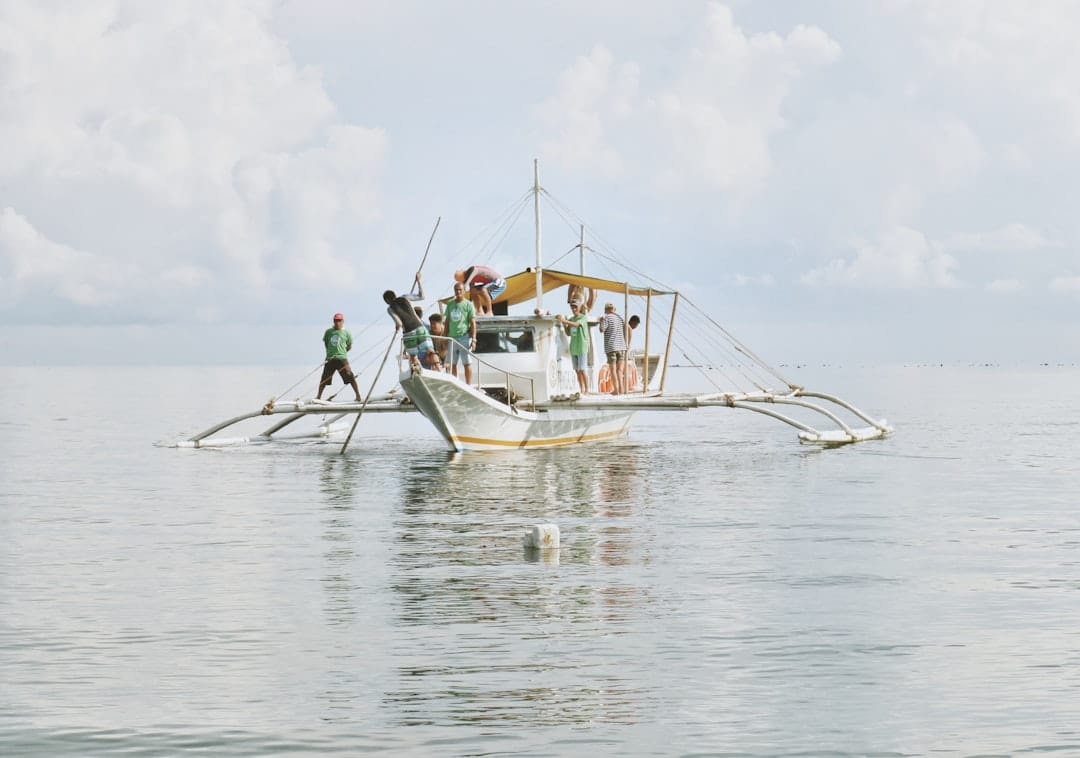
Negros Island is not organised around first impressions, highlights, or instant clarity.
It is organised around patterns, repetition, and gradual familiarity.
That difference explains why many people leave after a first visit feeling uncertain or underwhelmed — and why those who return often experience the island more clearly the second time.
This piece is not about planning a return trip.
It’s about how Negros Island functions as a place people live, and why understanding it usually requires more than one pass.
What a First Visit Is Actually For
A first visit to Negros Island rarely provides a full picture.
It provides orientation.
On an initial visit, most people are occupied with:
- navigating transport
- understanding distances
- adjusting to heat and timing
- interpreting unfamiliar routines
Attention is consumed by logistics. Observation is secondary.
Nothing is hidden — but very little is readable yet.
Why Familiarity Changes Everything
Negros does not explain itself quickly.
Daily life here relies on:
- routines that repeat
- systems that assume local knowledge
- timing that isn’t announced
- adjustments made quietly
On a second visit, those background elements begin to register.
You already know:
- when towns wake up
- how early markets finish
- which afternoons slow down
- how transport actually moves
Because less attention is spent decoding basics, more is available for noticing how the place works.
Timing Is Learned, Not Taught
One of the biggest shifts between first and second visits is an understanding of timing.
On a first visit:
- mornings feel rushed
- afternoons feel long
- evenings feel uneven
On a second visit, timing starts to make sense.
You notice:
- why shops open when they do
- why some places close early
- why lunch stretches longer than expected
- why evenings quieten sooner in smaller towns
This timing is consistent across places like Bacolod, Dumaguete, Silay, San Carlos, and inland towns near Valencia — but it’s rarely explained.
It’s learned through repetition.
Places Reveal Themselves Slowly
Negros towns are not built to impress on arrival.
Many places look ordinary at first glance:
- public markets
- side streets
- town centres without landmarks
On a first visit, these places are passed through.
On a second visit, they begin to anchor days.
You recognise:
- which streets carry daily movement
- where errands naturally cluster
- how markets shape nearby activity
- which areas quiet down completely
The island doesn’t change.
Your reading of it does.
Systems Over Sights
Negros rewards attention to systems more than attention to sights.
First visits often focus on:
- destinations
- viewpoints
- named locations
Second visits shift toward:
- how food arrives
- how people move
- how weather alters routines
- how days are structured
This is why people often say the island feels “easier” the second time — not because anything improved, but because expectations aligned with reality.
Why Expectations Soften on Return
Many first-time frustrations come from unspoken assumptions:
- that places should be legible immediately
- that time should behave predictably
- that services should adapt to visitors
On a second visit, those assumptions are usually gone.
Without them:
- delays feel normal
- closures feel logical
- repetition feels grounding
The island stops feeling inconsistent and starts feeling patterned.
Towns vs Movement Between Towns
First visits often emphasise moving between towns.
Second visits emphasise being in one place long enough to notice it.
This is especially true in:
- market towns with visible daily cycles
- smaller coastal working towns
- upland areas where weather shapes routine
Understanding one town well often reveals more about Negros than moving quickly through several.
Why First Impressions Are Often Misleading
Negros does not present itself.
It doesn’t:
- explain delays
- frame experiences
- prioritise clarity
First impressions are formed while you are still learning how to move, eat, and wait.
Second impressions are formed when those actions no longer require effort.
That’s why the island often feels quieter, calmer, and more coherent the second time — even though nothing has changed.
Repetition as Context
On Negros, repetition is information.
Seeing the same street:
- in the morning
- in the heat of the day
- in the late afternoon
teaches more than seeing many places once.
Second visits allow repetition to accumulate.
Patterns become visible:
- market days
- transport rhythms
- weather cycles
- social pacing
This is how context builds.
Why Negros Is Rarely “Love at First Visit”
Some places are designed to impress quickly.
Negros is designed to function.
It does not front-load charm or explanation.
It assumes familiarity will come later — or not at all.
Those who expect immediate clarity often leave unsure.
Those who return usually understand why they felt that way.
Understanding Without Belonging
Returning does not grant access or inclusion.
What it offers is recognition:
- recognising routines
- recognising limits
- recognising what does not change
This recognition makes the island legible, not intimate.
That distinction matters.
Related Guides
- What Negros Island Feels Like When You Stop Rushing
- How to Choose Between Negros Occidental vs Negros Oriental
- Slow Travel in Negros
Final Note
Negros Island does not reward novelty.
It rewards return.
Not with new experiences —
but with clearer ones.
On a second visit, the island is not more generous.
It is simply easier to read.
That is usually when it starts to make sense.