
Why Discounts Aren’t Always Helpful for Small Shops
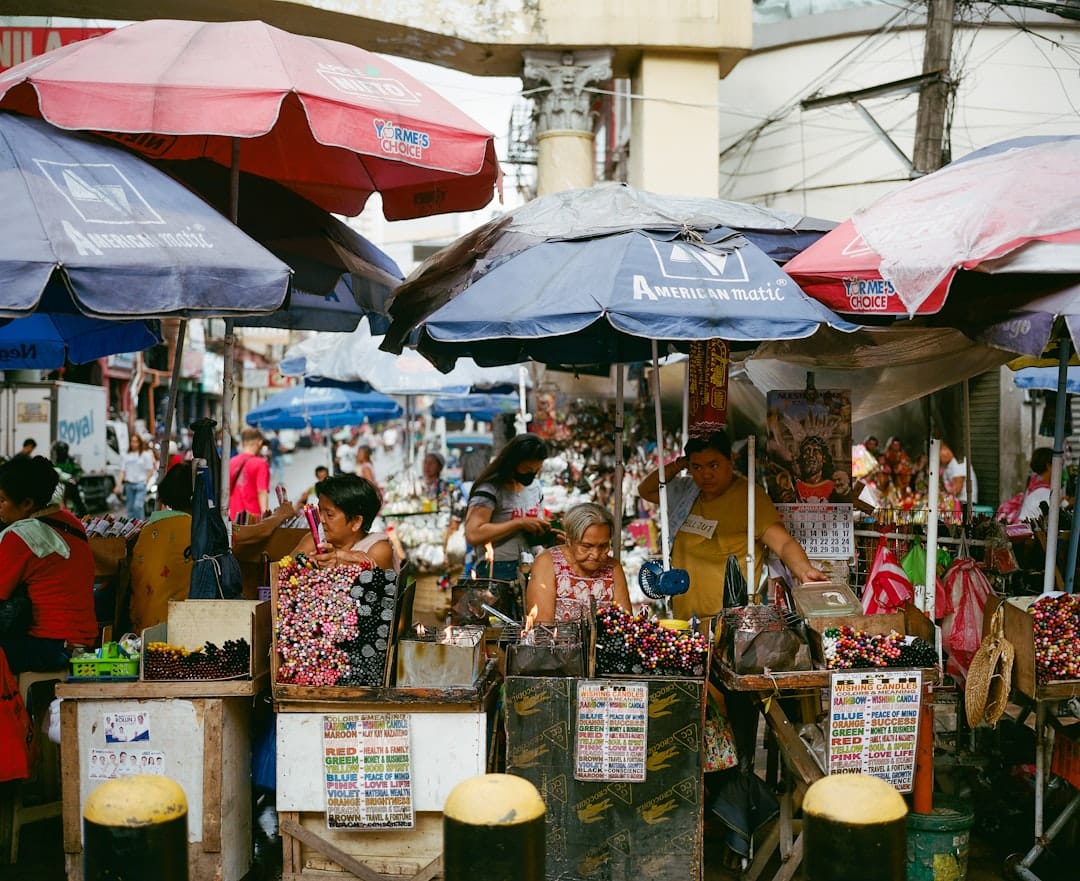
Small businesses on Negros Island are not organised around promotions, incentives, or short-term volume.
They are organised around daily rhythm, predictable margins, and trust.
Understanding that one difference explains why discounts — while well-intentioned — often create pressure rather than relief for local shops, stalls, and family-run businesses.
This guide is not about pricing strategy.
It’s about how small businesses here actually stay open day to day.
What “Helping a Business” Usually Means on Negros
On Negros, most small businesses are built to last, not to scale.
They are designed to:
- cover daily costs
- support a household
- maintain relationships
- remain predictable
Profit is not maximised. It is stabilised.
A shop, eatery, or service provider is considered successful if it:
- opens consistently
- serves familiar customers
- closes without debt
- reopens the next day
Anything that disrupts that rhythm — even if it increases foot traffic — can become a problem.
Why Discounts Don’t Fit the Daily Business Rhythm
Discounts assume a business can:
- increase volume on demand
- absorb lower margins temporarily
- compensate later through scale
Most small businesses on Negros cannot do this.
Their costs are:
- immediate (ingredients, fuel, utilities)
- fixed for the day
- paid in cash
Lowering prices without changing costs compresses margins instantly. There is no later recovery window.
For many shops, a discounted day is not a marketing expense — it is a shortfall.
Fixed Inputs, Flexible Output
Small businesses here operate with fixed inputs and flexible output, not the other way around.
For example:
- a carinderia cooks what was bought that morning
- a sari-sari store stocks what it can afford that week
- a repair shop takes work it can finish reliably
Output adjusts to demand.
Costs do not.
Discounts reverse this logic by asking the business to adjust price first, while costs remain unchanged.
Why “More Customers” Isn’t Always Better
From the outside, discounts look like they bring opportunity: more people, more visibility, more sales.
In practice, they often bring:
- unpredictable demand
- crowding at peak hours
- faster stock depletion
- longer workdays without higher return
In towns like Bacolod, Silay, or Dumaguete, many small shops already operate near their comfortable capacity.
Extra volume without extra margin creates strain, not growth.
Relationships Matter More Than Price
Local businesses on Negros are relationship-based.
Customers are often:
- neighbours
- relatives
- repeat faces
- known quantities
Pricing reflects familiarity and consistency, not negotiation or incentive.
Discounts can unintentionally disrupt this balance by:
- creating different prices for different people
- introducing expectations that can’t be sustained
- shifting focus from relationship to transaction
Trust erodes faster than profit recovers.
Informality Is a Feature, Not a Weakness
Many businesses operate informally:
- flexible hours
- handwritten records
- verbal agreements
- day-by-day planning
This informality allows adaptation to:
- weather
- supply delays
- family obligations
- transport interruptions
Discount systems require:
- tracking
- enforcement
- consistency
These are not always compatible with how small shops actually function.
Where Discounts Do Create Pressure
Discounts tend to cause the most strain in:
- market-adjacent stalls
- neighbourhood eateries
- single-person service shops
- rural or upland barangays
In these contexts, even small reductions can:
- remove the buffer that covers tomorrow’s supplies
- force substitutions
- increase reliance on credit
The impact is quiet but cumulative.
Why Predictability Is Valued Over Growth
Many business owners on Negros prefer:
- steady daily income
- known workload
- regular customers
over:
- spikes in demand
- promotional traffic
- inconsistent days
Predictability allows:
- better cash flow
- manageable hours
- fewer surprises
Discounts trade predictability for attention — a trade most small shops don’t want or need.
What Actually Helps Instead (Without Framing It as Strategy)
Without turning this into advice, it helps to understand what aligns with local systems:
- consistent pricing
- repeat custom
- respect for set prices
- acceptance of limited availability
These behaviours support the rhythm businesses are already built around.
They don’t require explanation or performance.
Town Context Matters
In different parts of Negros, this plays out in familiar ways:
- City centres (Bacolod, Dumaguete): shops prioritise steady foot traffic over promotions
- Older town cores (Silay, San Carlos): familiarity matters more than visibility
- Smaller towns and barangays: margin stability is critical
Across all of them, discounts introduce volatility where calm is preferred.
Rethinking “Support” Without Transactional Thinking
Support is often imagined as doing more — paying extra, promoting, negotiating, optimising.
On Negros, support is often quieter:
- paying the posted price
- returning regularly
- not asking for exceptions
- respecting limits
These actions fit the system as it exists.
They don’t ask businesses to change how they work.
Related Guides
If local business realities interest you, these guides add context:
- What Actually Helps Small Businesses in Negros — how rhythm and trust matter more than tactics
- Staying Local on Negros Island — why proximity doesn’t create entitlement
- How Daily Timing Shapes Life in Negros Towns — why predictability matters everywhere
Final Note
Discounts aren’t harmful because they reduce prices.
They’re often unhelpful because they disrupt balance.
Small businesses on Negros Island are not under-performing systems waiting to be optimised.
They are working systems designed to repeat, not expand.
Once you see that, it becomes easier to understand why stability — not incentives — is what keeps doors open.