
What a Good Location Actually Means in Negros
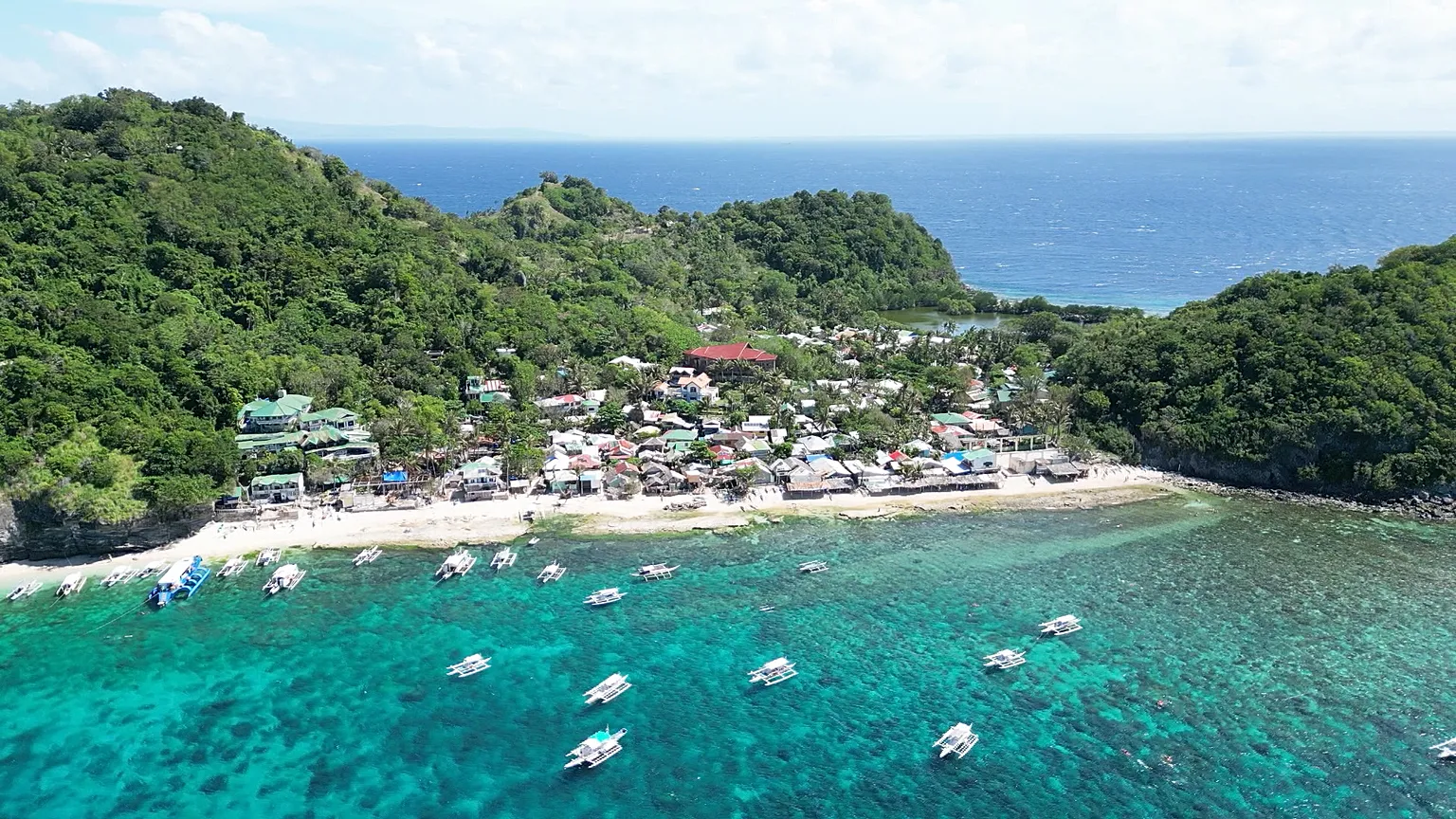
A “good location” on Negros Island is not defined by views, distance to attractions, or convenience on a map.
It is defined by how daily life reaches you.
Most visitors assume location is about being close to something. On Negros, it’s more often about being within a working system — markets, transport routes, neighbourhood routines, and timing.
Understanding that difference explains why some places feel easy and grounded, while others feel oddly disconnected even when they look ideal.
This guide is not about where to stay.
It’s about how location actually functions.
What “Location” Means on Negros Island
On Negros, location is not a selling point or a label people use consciously.
It’s simply how towns and neighbourhoods are organised.
A good location usually means:
- daily needs are nearby
- movement happens naturally
- routines are visible
- timing makes sense
It does not mean isolation, quiet, or exclusivity.
Many places that appear well-located on a map function poorly in practice because they sit outside daily overlap. Others, less obvious, work extremely well because life passes through them constantly.
Proximity vs Access (They Are Not the Same)
Being close to something does not guarantee access to how it works.
A place can be:
- near a market, but not connected to its timing
- close to town, but cut off from foot traffic
- beside a road, but outside transport flow
Access on Negros comes from alignment, not distance.
Places aligned with daily systems feel easier without trying.
Places misaligned require constant adjustment.
Why Town Centres Feel Different
Older town centres on Negros tend to function well because they were built around daily necessity, not visitor movement.
In places like:
- central Bacolod districts
- older areas of Dumaguete
- town cores in Silay, San Carlos, or Bais
you’ll notice:
- early morning activity
- steady foot traffic
- food appearing and disappearing on a schedule
- transport passing through, not stopping on demand
Good location here means you don’t need to plan much. Life is already organised around being used.
Market-Adjacent Areas
Markets are one of the strongest signals of a functional location.
Areas near public markets tend to have:
- predictable food availability
- early starts and quieter afternoons
- regular deliveries
- natural walking patterns
Being near a market doesn’t mean shopping constantly. It means timing makes sense. Meals, errands, and movement follow a rhythm that already exists.
This is why locations near markets often feel more “settled” than places built for views or privacy.
Edge-of-Town Locations (When They Work)
Not all good locations are central.
Areas just outside town centres — such as upland edges near Valencia or quieter outskirts of Bacolod — can work well when they remain connected to daily routes.
These places tend to offer:
- cooler temperatures
- quieter evenings
- slower mornings
They work best when:
- transport passes through naturally
- markets are reachable without planning
- daily routines are still visible
When edge areas lose those connections, they stop functioning smoothly and begin to feel isolated rather than calm.
Coastal Towns and Working Shorelines
Coastal locations on Negros vary widely.
Working coastal towns — such as parts of Sipalay or smaller fishing communities — are organised around early mornings, tides, and weather.
In these places:
- good location means being close to where boats land
- mornings matter more than evenings
- food availability follows catch, not preference
Resort-style coastal areas often sit alongside this system without being part of it. The difference shows in timing, movement, and interaction.
Why “Quiet” Is Often Misread
Quiet is often marketed as a positive feature.
On Negros, quiet can mean very different things.
- Quiet because life has slowed for the day
- Quiet because you are outside the flow entirely
The first feels restful.
The second often feels disconnected.
A good location experiences cycles of activity, not constant silence.
How Location Shapes Daily Perception
Location quietly determines:
- when you eat
- how far you walk
- how often you wait
- what you see repeatedly
When location aligns with daily systems, these things feel normal. When it doesn’t, people often describe the place as “hard work” without knowing why.
The issue is rarely the place itself.
It’s how it connects.
What a “Good Location” Is Not
On Negros, a good location is usually not:
- the most scenic
- the most private
- the newest
- the furthest away
These qualities can exist, but they do not define functionality.
Good location is practical before it is pleasant.
Understanding Location Without Optimising It
There’s no need to turn this into a strategy.
Staying local doesn’t require choosing the “best” spot or maximising advantage. It simply means noticing whether daily life passes through where you are — or around it.
If it passes through, location works.
If it goes around, distance is created.
Related Guides
Final Note
A good location on Negros Island isn’t something you search for.
It’s something you recognise once daily life reaches you without effort.
When that happens, days become easier — not because more is available, but because less needs managing.
That’s usually how you know the location is doing its job.