
Why Negros Island Works Better for Slow, Grounded Remote Living
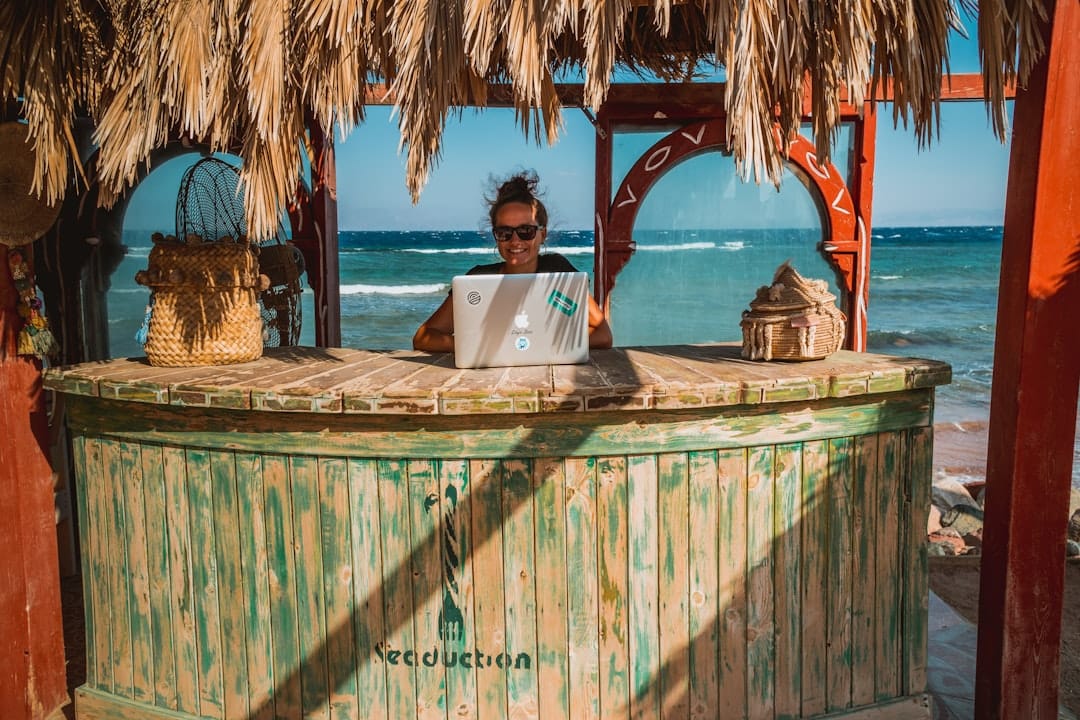
(And Why It’s Not for Everyone)
Negros Island doesn’t advertise itself well — and that’s part of why it works.
It isn’t organised around speed, convenience, or constant stimulation. It isn’t built for short stays, fast decisions, or lifestyle marketing. People who come here expecting a polished “digital nomad destination” often leave confused or frustrated.
People who arrive with time, flexibility, and realistic expectations often stay longer than planned.
This article isn’t about selling Negros Island as the next hotspot. It’s about explaining who it suits, why it works for them, and why many others should probably look elsewhere.
Negros Island Is Not a Nomad Hub — and That’s the Point
Negros Island does not operate like Bali, Chiang Mai, or Lisbon.
There is no concentrated nomad district.
Coworking spaces exist, but they are not the centre of daily life.
Social scenes are local first, transient second.
Daily life here is structured around:
- markets
- weather
- routine
- familiarity
Remote work fits into that rhythm — but it doesn’t lead it.
If your work requires constant optimisation, perfect connectivity everywhere, or rapid lifestyle switching, Negros will feel slow and inconvenient. If your work allows you to adapt to place rather than impose structure on it, Negros can feel unusually steady.
Why Time Matters More Than Infrastructure Here
Internet access exists across most populated areas of Negros Island, especially in towns and cities. But connectivity is not uniform, and reliability improves with familiarity rather than planning alone.
People who stay longer tend to:
- learn which times of day work best
- arrange backups naturally
- settle into routines that reduce friction
Short-term visitors often over-plan around connectivity and still feel stressed. Long-term stays quietly solve the same problems with fewer tools and less effort.
This is a recurring pattern on the island: time smooths things out more effectively than preparation.
Food, Transport, and Workdays Share the Same Rhythm
Negros Island doesn’t separate work life from daily life cleanly.
Meals are cooked when ordered.
Transport follows demand more than timetables.
Midday slows naturally.
Trying to force a rigid “work block / life block” schedule often creates frustration. People who allow work to sit within the day rather than dominate it tend to experience fewer interruptions and less stress.
This is why slow food, slower movement, and longer stays matter even for remote workers. They aren’t lifestyle add-ons — they’re how the island functions.
Where Remote Living Actually Works Best on Negros
Remote living works best in places where:
- daily routines already exist
- food access is consistent
- transport options are familiar
- services don’t rely on novelty or tourism cycles
Town centres and long-stay neighbourhoods tend to work better than isolated or resort-style locations. Not because they are more exciting — but because they are more predictable.
Predictability is undervalued in remote living. On Negros Island, it’s the difference between constant adjustment and quiet stability.
Cost of Living Is a Side Effect, Not the Advantage
Negros Island is often described as “affordable”, but that framing misses the point.
Costs are lower primarily because:
- life is simpler
- expectations are lower
- consumption is reduced
- routines replace convenience spending
People who arrive chasing arbitrage often feel disappointed. People who arrive wanting less noise, fewer decisions, and lower pressure often find their expenses drop naturally.
Affordability here is a consequence of fit, not a selling point.
Community Is Observational, Not Performative
Negros Island is friendly — but not immediately familiar.
Relationships build through:
- repeated presence
- calm behaviour
- consistency
- respect for routine
This applies equally to locals, visitors, and long-term residents. There is little interest in fast networking, personal branding, or curated social scenes. Help and flexibility appear quietly once familiarity exists.
Remote workers who understand this tend to integrate comfortably. Those who expect instant community often misread the culture as distant when it is simply reserved.
Who Negros Island Tends to Suit
Negros Island often suits people who:
- work independently
- value routine over novelty
- prefer fewer social obligations
- are comfortable with flexibility
- don’t need constant stimulation
It tends not to suit people who:
- rely on fast-paced social scenes
- expect uniform service standards
- need constant validation or comparison
- want a “plug-and-play” lifestyle
Neither group is right or wrong. The difference is fit.
A Better Way to Approach Negros Island
Negros Island isn’t something to optimise.
It’s something to settle into.
People who arrive with that mindset often find:
- work becomes steadier
- days feel less fragmented
- decisions reduce
- stress drops without effort
Those outcomes aren’t accidental. They emerge when expectations align with how the island already works.
Final Thought
Negros Island doesn’t need to be the next remote work hotspot.
It works best as a place where:
- life leads
- work follows
- and time does most of the heavy lifting
For the right people, that’s not a compromise — it’s the point.