
Why Hiring Local Guides Matters Even If You Know the Trail
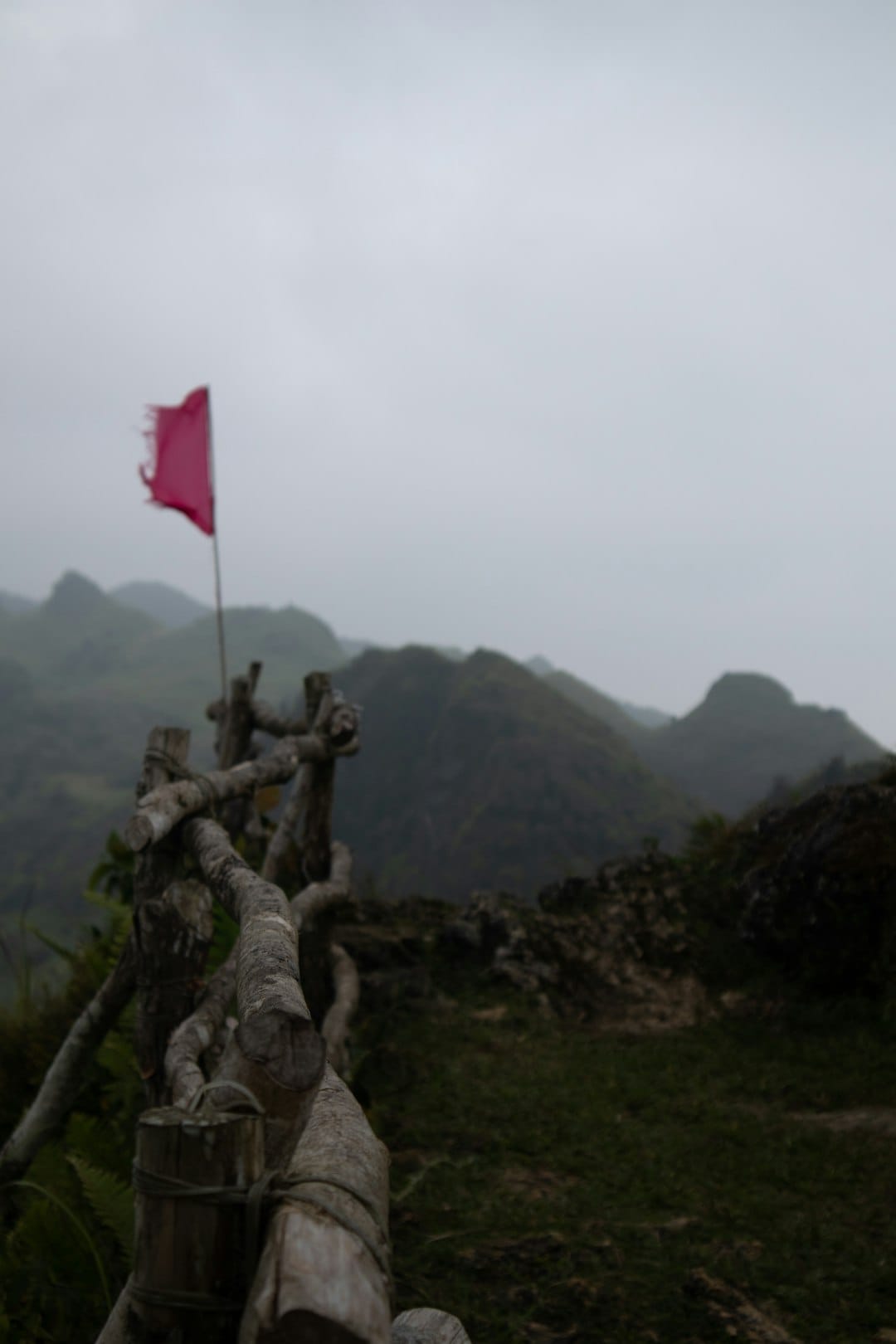
Exploration on Negros Island is not organised around routes, markers, or personal confidence.
It is organised around knowledge held in people, passed quietly through routine and repetition.
Understanding that one difference explains why local guides remain relevant even on familiar trails — and why knowing where to walk is not the same as knowing how a place is used.
This guide is not about finding guides or choosing services.
It’s about how local knowledge functions in landscapes that are lived in, not managed for visitors.
What “Knowing the Trail” Means on Negros Island
On Negros, trails are rarely fixed objects.
They shift with weather, use, and need.
A trail might exist because:
- farmers pass through daily
- children use it as a shortcut
- water access changes seasonally
- land boundaries adjust quietly
Knowing a trail often means knowing where it was last month, not where it appears on a map.
Local guides don’t treat paths as static. They treat them as current.
Why Familiarity Isn’t the Same as Context
Many people assume that once a trail has been walked, it is understood.
On Negros, that assumption breaks down quickly.
Context includes:
- who uses the path and when
- which areas are avoided at certain times
- where access is tolerated but not encouraged
- how weather alters safety and flow
A path near Mount Kanlaon, for example, may be technically open while still being socially sensitive or temporarily avoided by locals. Coastal routes near working shorelines can change with tides, fishing schedules, or informal boundaries.
Knowing the terrain does not guarantee understanding the situation.
Guides as Interpreters, Not Leaders
Local guides are often misunderstood as people who “lead the way.”
In reality, their role is closer to interpretation.
They:
- read conditions before decisions are made
- adjust routes without explanation
- recognise when to slow down or stop
- understand which areas require restraint
This isn’t instruction. It’s alignment.
Guides are responding to what is happening that day, not to a plan created elsewhere.
How Local Knowledge Protects Places Quietly
Protection on Negros is rarely formal.
There are few signs, barriers, or announcements.
Instead, limits are enforced through habit.
Guides know:
- which waterfalls are resting
- when fishing areas should be left alone
- which forest paths are temporarily avoided
- when visibility changes risk
In areas around Negros Oriental uplands or inland barangays, this knowledge prevents pressure without needing confrontation.
Places remain intact not because access is blocked, but because it is paced.
The Difference Between Access and Permission
Being able to reach a place is not the same as being permitted to move freely through it.
Local guides understand:
- where access is tolerated
- where presence is accepted but brief
- where movement is expected to be purposeful
These distinctions are rarely spoken aloud.
Without this understanding, people may move correctly but feel wrong — sensing resistance without knowing why.
Guides reduce friction by respecting boundaries that aren’t written down.
Why Solo Exploration Often Misses the Signal
Exploring alone can feel respectful, but it often removes the very feedback that keeps places balanced.
Without a guide:
- subtle cues are missed
- pauses feel unnecessary
- detours seem inefficient
- silence is misread as permission
Guides notice when:
- activity has already peaked
- weather is turning early
- others are avoiding an area
They don’t announce these shifts. They respond to them.
Guides as Part of Daily Life
On Negros, guides are not separate from the places they move through.
They are:
- relatives of people nearby
- known in adjacent barangays
- present before and after visitors arrive
Their presence signals continuity.
In coastal areas near Sipalay or smaller inland towns, this continuity matters more than expertise. It shows that movement through the landscape is normal, not extractive.
Why This Matters Even on “Easy” Routes
Well-known routes and accessible areas are often where guides matter most.
High familiarity increases pressure:
- more people arrive
- timing compresses
- behaviour becomes visible
Guides help regulate this without instruction or enforcement.
They slow things down by adjusting pace, not by setting rules.
Observation Without Promotion
This isn’t an argument for guided exploration.
It’s an explanation of why guides persist even when they seem unnecessary.
They are not there to add value.
They are there because the landscape is not static.
Understanding that helps explain why some places remain intact — and why others quietly withdraw.
Related Guides
Final Note
Hiring a local guide on Negros Island is not about safety, convenience, or instruction.
It’s about moving in step with a place that already knows its limits.
Even when the trail is familiar, the situation rarely is.
That’s why local knowledge remains relevant — quietly, and without needing to justify itself.