
Why Locals Travel Early and Tourists Travel Late
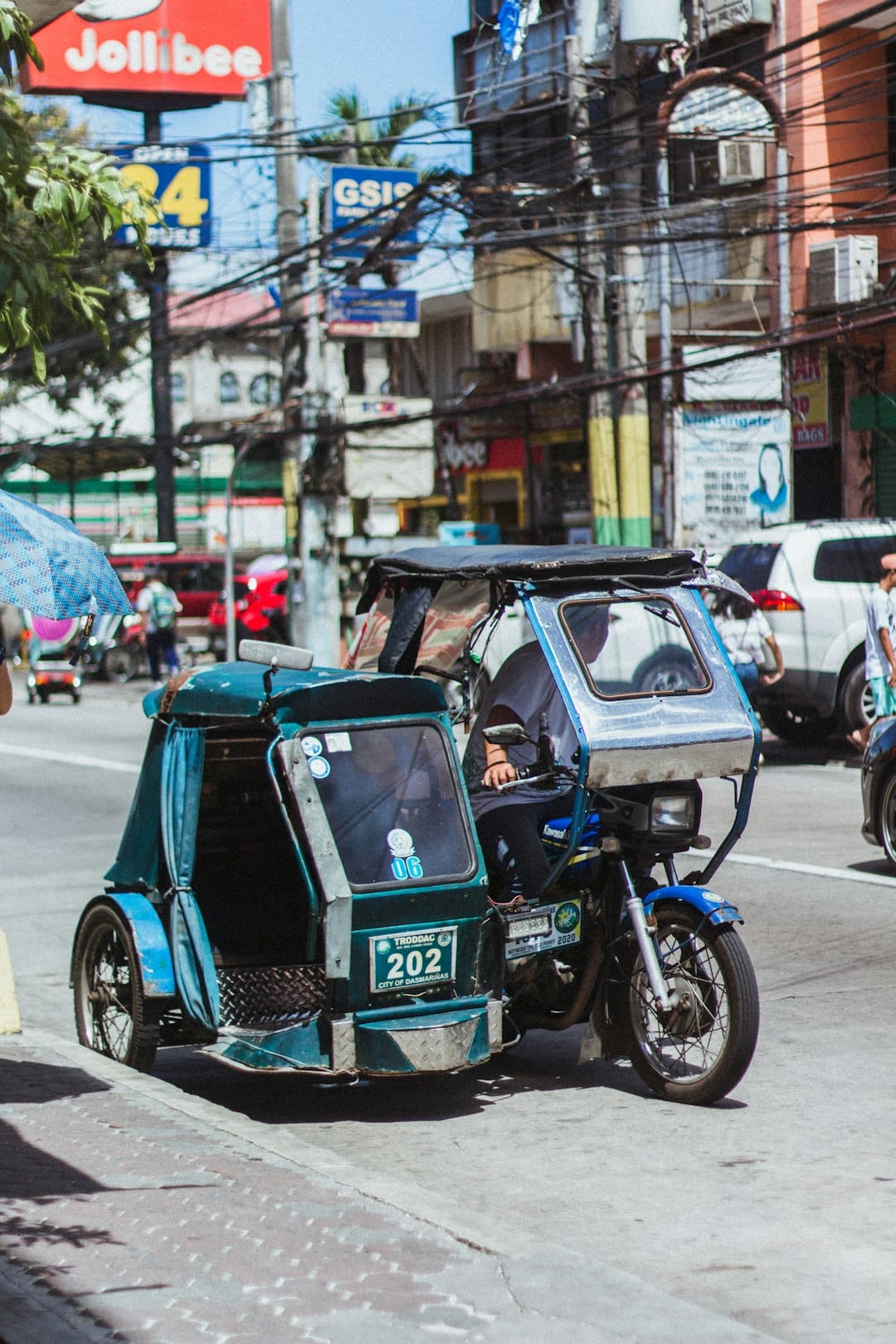
Movement on Negros Island is not organised around convenience, comfort, or squeezing the most into a day.
It is organised around timing, availability, and limits.
Understanding that one difference explains why locals tend to move early while visitors often travel later — and why friction appears when those rhythms collide.
This guide is not about planning routes or catching sunrise photos.
It’s about how time actually works when you’re a guest moving through daily life.
What “Early” and “Late” Mean on Negros Island
On Negros, “early” isn’t a preference.
It’s a requirement shaped by heat, transport patterns, work schedules, and supply.
Early usually means:
- before traffic builds
- before heat peaks
- before supplies are used up
- before delays accumulate
“Late” isn’t wrong — it’s just less compatible with how systems operate.
Visitors often arrive late in the day because that’s when travel elsewhere feels easiest. On Negros, late arrivals intersect with slowdown, not availability.
Why Locals Move Early
Locals move early because daily tasks are front-loaded.
You see this clearly in places like Bacolod, Dumaguete, San Carlos, or market towns inland:
- markets open before sunrise
- deliveries happen early
- public transport is most reliable in the morning
- workdays begin before heat builds
By mid-day, many essential movements have already happened.
Early travel is about reducing risk, not gaining advantage.
Heat Is a Structural Factor
Heat on Negros is not an inconvenience — it’s a planning constraint.
By late morning:
- walking becomes slower
- waiting becomes harder
- delays compound
- tempers shorten
Locals avoid unnecessary movement during peak heat because it costs energy, time, and patience.
Visitors who plan to “head out later” often find:
- transport still running, but slower
- services open, but limited
- places technically accessible, but tiring
Nothing is closed — but everything is heavier.
Transport Works Best Before Midday
Transport systems on Negros are strongest earlier in the day.
Morning travel benefits from:
- clearer roads
- more frequent jeepneys and buses
- drivers starting fresh
- fewer accumulated delays
Later travel still works, but margins disappear.
A missed connection early is usually recoverable.
A missed connection late often means waiting until tomorrow.
This is why locals prioritise morning movement even for short distances.
Why Tourists Tend to Travel Late
Visitors often travel later because they carry different assumptions.
They assume:
- days are flexible
- services adjust to demand
- delays are minor inconveniences
- arrival time doesn’t affect outcome
These assumptions come from systems designed around visitors.
On Negros, systems are designed around daily use, not accommodation.
Late travel doesn’t break anything — it just meets fewer options.
The Midday Slowdown
Midday on Negros is not a pause inserted for comfort.
It’s a response to conditions.
During this window:
- kitchens are busiest
- markets thin out
- transport continues but stretches
- people retreat from unnecessary movement
Locals use midday to stay put, not to move through.
Visitors who schedule transit during this window often experience friction — not because anything is wrong, but because they’re moving against the grain.
Early Travel Isn’t About Productivity
Early travel on Negros is not about efficiency or doing more.
It’s about:
- leaving room for uncertainty
- allowing delays without stress
- finishing movement before energy drops
Locals build slack into the day by moving early.
Visitors often remove slack by moving late.
That difference explains most frustration around transport, timing, and missed plans.
Town Examples Where Timing Is Obvious
In Dumaguete, morning ferries and buses set the day’s rhythm.
In Bacolod, market traffic and school hours shape movement.
In upland areas near Valencia or inland towns, early starts avoid heat and road conditions.
Across the island, the pattern repeats:
- early movement → flexible day
- late movement → narrow options
The geography changes, but the logic doesn’t.
How Rushing Creates Friction
Rushing doesn’t come from speed — it comes from misaligned timing.
When visitors move late, they often try to compensate by:
- hurrying drivers
- compressing schedules
- stacking activities
- pushing through heat
This creates tension where none existed.
On Negros, patience is not a virtue signal.
It’s a practical response to limits.
Being a Guest Means Accepting the Clock
Slow travel on Negros doesn’t mean moving slowly all day.
It means moving when movement works.
Being a guest involves:
- accepting early starts
- letting afternoons be lighter
- understanding when not to move
- recognising when a day is “done”
Presence does not entitle control over timing.
The island keeps its own clock.
How Early Travel Changes the Day
When you move early:
- delays feel manageable
- meals happen without pressure
- afternoons open up
- evenings arrive calmly
Days feel longer, not shorter.
Not because more is done —
but because less is forced.
Related Guides
- Why Slow Travel Works Better in Negros Than Bucket List Travel
- Why Night Travel Isn’t Always a Good Idea in Rural Areas
Final Note
Locals on Negros travel early because the island rewards it quietly.
Visitors travel late because elsewhere, that usually works.
Slow travel begins when you stop trying to correct that difference —
and start letting timing lead.
When you do, movement becomes simpler, calmer, and far less frustrating — exactly as the island expects it to be.