
How Slow Travellers Support Local Businesses Without Trying
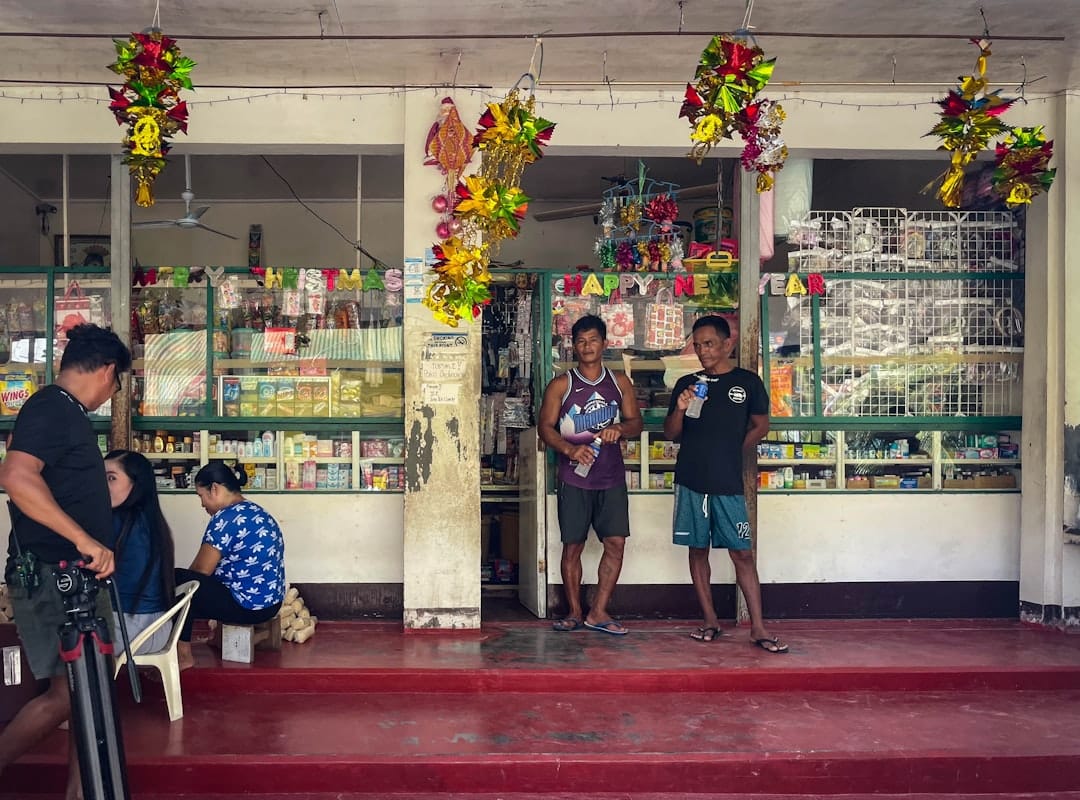
Local businesses on Negros Island are not organised around growth, optimisation, or capturing opportunity.
They are organised around routine, relationships, and continuity.
Understanding that one difference explains why some visitors quietly support local businesses simply by how they move through the island — while others, often with good intentions, create friction without realising it.
This guide is not about how to help businesses.
It’s about how business actually works, and why certain behaviours fit naturally into that system.
What “Support” Looks Like in Daily Business Life
On Negros, support is rarely framed as something external or deliberate.
Local businesses do not wait for visitors to arrive with ideas, feedback, or enthusiasm.
Support usually looks like:
- predictable presence
- uncomplicated transactions
- respect for timing
- absence of pressure
A business day succeeds when routines hold — not when something new is introduced.
When visitors align with that rhythm, support happens quietly.
Why Trying to Help Often Misses the Point
Many visitors assume support means:
- choosing the “right” business
- paying more than asked
- offering advice or encouragement
- expressing approval verbally
While well-meant, these gestures often sit outside how local businesses operate.
Most small businesses on Negros are not trying to:
- differentiate themselves
- scale up
- attract attention
- improve efficiency
They are trying to repeat yesterday successfully.
Anything that disrupts that repetition — even positively — can add work rather than reduce it.
How Slow Travellers Fit Into Existing Rhythm
Slow travellers tend to support businesses not through intention, but through behavioural fit.
They usually:
- return to the same places
- accept limited choice
- arrive at similar times
- adjust to what’s available
This predictability matters.
In towns like Bacolod, Dumaguete, Silay, or smaller centres such as San Carlos or Bais, businesses rely on familiar patterns more than volume.
A customer who fits into the day is easier to serve than one who needs accommodation.
Timing Matters More Than Spending
One of the least understood aspects of local business is timing.
Many small businesses operate within narrow windows:
- early food preparation
- mid-day peak activity
- quieter afternoons
- earlier closures
Slow travellers naturally adapt to this because they are not stacking activities or rushing between commitments.
Arriving when a business is already operating — rather than asking it to adjust — is a form of support that costs nothing.
Informality Is a Feature, Not a Problem
Local businesses on Negros often appear informal:
- flexible hours
- minimal signage
- verbal agreements
- familiar interactions
This informality supports trust.
It allows businesses to:
- adjust day by day
- respond to supply changes
- prioritise known relationships
Slow travellers rarely push against this. They accept ambiguity and return later rather than demanding clarity.
That acceptance preserves the system.
Repetition Builds Trust Quietly
Trust in local business settings is built through repetition, not conversation.
Returning to the same bakery, hardware store, or eatery communicates more than compliments or explanations.
In places like neighbourhood areas of Bacolod or residential streets in Dumaguete, recognition often comes before rapport.
Slow travellers who stay long enough to be recognised — without seeking familiarity — fit into this pattern naturally.
Why “Feedback” Is Rarely Useful
In many business cultures, feedback is expected. On Negros, unsolicited feedback is often unnecessary.
Most small businesses already know:
- what sells
- what doesn’t
- when things work
- when they don’t
Their constraints are usually external: supply, weather, transport, staffing.
Slow travellers tend not to offer suggestions because they are busy observing how things function.
That restraint avoids creating awkwardness or obligation.
Spending Local Without Making It a Statement
Support does not require signalling.
Buying regularly, paying the asked price, and leaving without commentary fits local norms far better than emphasising support verbally.
Businesses measure success by:
- whether the day ran smoothly
- whether stock moved
- whether routines held
Not by customer intention.
Town Context Shapes Business Interaction
How this plays out depends on place.
Town centres
In central areas of Bacolod or Dumaguete, businesses balance locals and pass-through customers. Predictable behaviour matters more than enthusiasm.
Smaller towns
In places like Silay or San Carlos, familiarity develops slowly. Repetition without expectation fits best.
Market-adjacent areas
Near public markets, businesses operate under time pressure. Customers who understand this — by keeping transactions simple — support the system without trying.
What Slow Travellers Don’t Do (And Why That Helps)
Slow travellers usually avoid:
- asking for exceptions
- comparing prices or services
- explaining their intentions
- framing themselves as different
This absence of performance helps businesses remain businesses — not relationships to manage.
Support as Alignment, Not Action
The clearest way slow travellers support local businesses is by not standing out.
They align with:
- timing
- availability
- repetition
- informality
Support becomes a by-product of fitting into daily life, not an objective.
Related Guides
Final Note
Local businesses on Negros Island do not need to be supported loudly or deliberately.
They need space to operate as they already do.
Slow travellers tend to provide that space simply by moving carefully, returning quietly, and allowing routines to hold.
That is usually enough — and often more helpful than trying.