
What Actually Helps Small Businesses in Negros
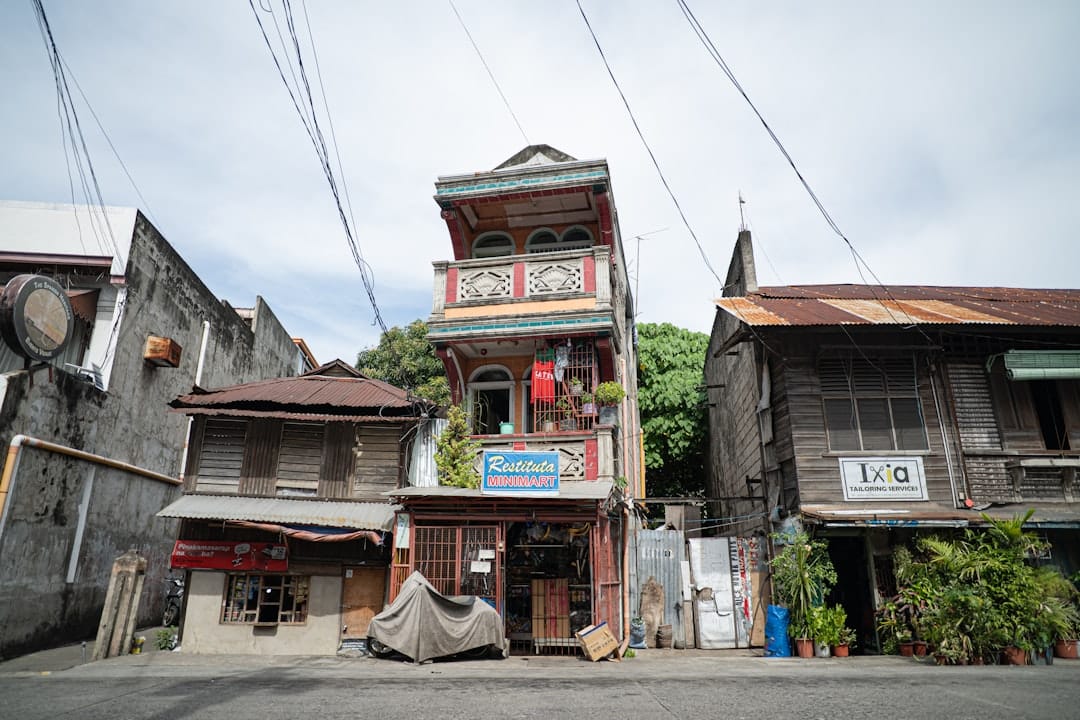
Visitors who like Negros usually reach the same question sooner or later: the carinderia was good, the sari-sari owner was kind, the tricycle driver was honest, so how do I actually support these people? The instinct is generous and the usual answers are wrong, because they assume small businesses here want what businesses at home want: growth, exposure, five-star reviews, more customers. Most of them want something else entirely, and once you understand what, helping them becomes easy and cheap.
What a Small Business Here Is Actually For
A typical small business on Negros is not a startup chasing scale. It is an extension of a household. It exists to produce steady daily income, support a family and often an extended one, and keep operating through good and bad months. Success is measured in continuation, not growth: a shop that opens daily, pays its bills, sends the kids to school, and is still there in ten years has achieved exactly what it was built to do.
That is why many behave in ways that look inefficient to outside eyes. They open when the owner is available and close when supplies run out or family needs come first. Prices are handwritten and adjust to what suppliers charged that morning. Agreements are verbal, credit is informal, and when costs rise the portion shrinks before the price moves, because the goal is to keep selling to the same people, not to maximise each sale. None of this is disorganisation. The informality is the flexibility that lets a tiny operation survive fuel spikes, typhoons, brownouts, and slow seasons without renegotiating anything. Staying small is usually a deliberate choice: expansion means staff, fixed costs, and risk, and for a family shop those outweigh the upside.
Understanding that changes the question. These businesses do not need rescuing, branding, or scaling advice. They need customers who fit how they already work.
Become a Suki, Not a Hero
The single most valuable thing you can do has a Filipino name: become a suki, a regular. The suki relationship is the actual operating system of small commerce in the Philippines: a customer who returns to the same stall, the same eatery, the same vendor, week after week. In exchange the suki gets the honest price without asking, the best pieces, the extra scoop, credit when it matters, and the truth about what is fresh today. The business gets the thing it values most, which is predictability.
One visitor who buys from ten different stalls once has helped nobody in particular. The visitor who buys from the same three places every week for a month has become part of three businesses’ planning. A customer who comes back weekly is worth more than any glowing one-off gesture, and on a long stay this costs you nothing: you were going to buy rice, fruit, and dinner anyway. The only change is buying them from the same people.
The Money Mechanics That Actually Matter
Pay fairly and stop there. Refusing to haggle on already-fair local prices helps; deliberately overpaying mostly causes problems, marking you as a price distortion and creating awkwardness the vendor has to manage. There is a full post on why paying fairly beats overpaying, and another on why demanding discounts hurts small shops more than it looks.
Bring small notes. This is the least glamorous and most genuinely useful habit on this list. ATMs here dispense thousand-peso notes, and a market vendor or tricycle driver running on thin margins simply cannot break one; they will often absorb the problem rather than embarrass you, which means your convenience quietly cost them their float. Break big notes at a supermarket or department store in the city, arrive at small businesses with twenties, fifties, and hundreds, and you have done more practical good than most donations.
Buy what they have. Small supply chains run out of things, and “out of stock” is covered in its own post. Asking for substitutions from what exists helps; making the absence a problem does not. Ordering the daily special at a carinderia moves the food that was cooked that morning, which is exactly what the owner needs moved.
Show up at the right time. Buying from the market in the morning and the barbecue stand in the evening puts money in at the hours the business is built around. A late customer asking a closing eatery to fire everything back up is not support.
What Does Not Help
Most imported forms of support translate badly here. Loud enthusiasm and one-time grand gestures are pleasant but structurally worthless next to regularity. Unsolicited advice about signage, Facebook pages, expansion, or “you should charge more” adds work to a system that was already balanced. Demanding explanations when hours change or items vanish misreads flexibility as failure. And performative support, the photographed purchase that never repeats, is covered honestly in the post on supporting versus performing support: the business can tell the difference, and so can the neighbourhood.
Online reviews sit in the middle. A short accurate Google review genuinely helps the guesthouses, restaurants, and tour operators that court visitors, since those businesses live partly on search visibility. For the carinderia and the sari-sari store, whose entire market walks past on foot, it changes little. Aim the review effort where it lands; there is a post on leaving useful reviews without writing a novel.
When You Are Only Here Briefly
Short visits can still do it right: eat where locals eat, pay in small notes, buy fruit and snacks and small necessities from stalls instead of convenience stores when practical, use the habal-habal and tricycle drivers at the going rate, and take the local guide at the waterfall. Spending local versus spending convenient has its own post, but the principle compresses to this: put your ordinary spending through extraordinary hands. No extra money required, just different routing.
This site puts the same idea into practice through the NIR Card program and the local business directory: free listings and visibility for the island’s small businesses, built on the logic this post describes, that being known beats being advertised. Supporting local was never about spending more. It is about being the kind of customer these businesses were built around, which happens, conveniently, to be the kind of customer who gets the best of Negros in return.