
Bacolod for Expats: Where to Live and Why
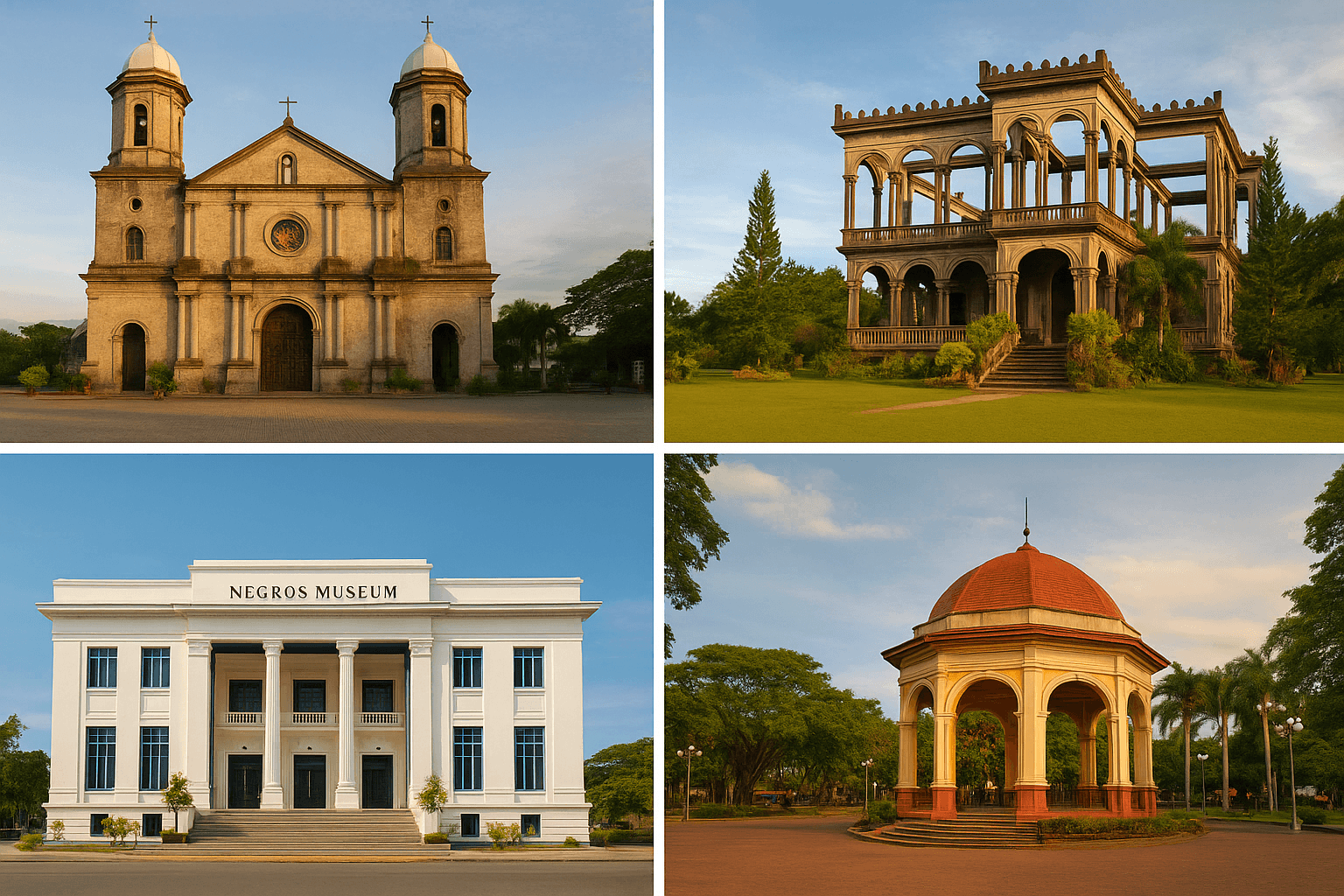
Bacolod is a city of 61 barangays and around 600,000 people, and where you land inside it decides most of what your daily life feels like: whether you walk to coffee or ride to everything, whether your soundtrack is karaoke or traffic or roosters, what a month’s rent buys, and how far you are from the hospital that matters when it matters. This page maps the city the way someone choosing a home needs it, area by area, using the real barangays rather than real estate language.
The short orientation: Bacolod runs along the coast with downtown at its historic core, Lacson Street running north through the newer commercial spine, the circumferential road looping the inland side, and the city thinning south and east into subdivisions, then fields. Nearly everything an expat interacts with sits in a band a few kilometres wide.
The North: Lacson Strip and Mandalagan
Mandalagan and the barangays along upper Lacson are where most foreigners picture themselves, and for once the instinct is reasonable. This is the strip with the cafes and restaurants, Lopue’s Mandalagan for daily shopping, the MO2 nightlife cluster, Riverside Medical Center and Dr. Pablo O. Torre Memorial Hospital a short ride away on 23rd Street, and the North Ceres bus terminal on Lacson Avenue for getting anywhere north on the island. Mandalagan alone holds about 27,000 people, so it is a working neighbourhood, not an expat bubble; you pay Bacolod’s higher rents here, but higher in Bacolod is still modest, and you get the one genuinely walkable lifestyle the city offers. Condos and serviced units cluster here (Citadines and the developments around upper Lacson), which also makes it the natural first base while you learn the city.
Just north again, Bata and the area toward the Talisay boundary trade some convenience for quiet, with the new Upper East township development changing that corner of the city year by year.
The Centre: Villamonte, Capitol Area, and Downtown
Villamonte, around 35,000 people along the B.S. Aquino Drive corridor, is the practical middle of the city: banks, the government offices, schools, markets including Villamonte Public Market, and everything reachable in minutes. It is busier and noisier than the north, cheaper than the Lacson strip, and suits people who want the city working around them rather than a lifestyle strip.
Downtown proper, the 41 numbered barangays around the plaza, the cathedral, and the public market, is the cheapest walkable living in Bacolod and the most full-on: dense, loud, alive from dawn, quiet pockets rare. Pension houses and older apartments here cost little, the market and Manokan Country are your neighbours, and it is honestly underrated for a certain kind of resident, usually single, who wants the old city rather than a subdivision. Most families and most retirees last one rainy season here and move.
The Capitol area between the two, around the lagoon and park, is the pleasant exception in the middle: institutional, green, close to everything.
The South and Inland: Where the Space Is
South along the coast and inland along the circumferential road is where Bacolod stops being a strip and becomes suburbs, and where money goes furthest. Singcang-Airport (33,000 people, the old airport land) and Taculing (42,000, the biggest residential barangay in the city) are dense, local, and cheap, with Panaad Park and Stadium on Taculing’s edge. Alijis and Handumanan further inland are subdivision country, home to the CHMSU campus, family-oriented, and where a house-and-lot rental costs a fraction of a Lacson condo; the trade is that you ride for everything and your neighbours’ routines are your soundtrack. Tangub and Sum-ag to the south (44,000 and 20,000) are the city shading into town life, with their own markets and the South Ceres terminal in reach, sensible for people working south of the city or wanting land.
Granada and the barangays climbing inland toward the hills, Vista Alegre, Felisa, Cabug, are the rural edge: cooler air, space, genuinely quiet, and dependent on your own wheels for absolutely everything. This is caretaker-and-generator territory from the site’s guide on setting up a home, and some of the best value on this side of the island for anyone building.
Punta Taytay and Banago on the coast deserve honest treatment: Banago is the working port, and the shoreline barangays are fishing and industrial communities first. Sea proximity in Bacolod does not mean beach living; the beaches people actually use are outside the city, covered in the Bacolod beaches post.
The Practical Layer That Applies Everywhere
Hospitals shape the choice more than expats expect: Riverside and Dr. Pablo O. Torre are the private references, with the regional hospital (CLMMRH) on Lacson, Adventist Medical Center, Metro Bacolod, and South Bacolod General filling the map. North and centre of the city, you are minutes from serious care; in the far south and the hills you are planning around a drive, which is exactly the calculation the healthcare post says to make before an emergency rather than during one.
Power is CENECO everywhere in the city, water and internet vary street by street rather than barangay by barangay, and the rule from the site’s guide applies here more than anywhere: before committing to a specific house, check what internet the neighbours actually get, not what the coverage map claims. Brownouts are milder in the city than in the province but the dry season still bites.
Renting follows the island pattern: the best houses are rarely listed online, the Facebook groups and word of mouth carry the real market, and everything in the posts on monthly rentals and rental red flags applies. Rough working ranges: downtown rooms and old apartments at the bottom of the market, subdivision houses in Alijis or Handumanan in the low-to-mid teens of thousands of pesos monthly, Lacson-strip condos and the newer developments above that. [CHECK: current rent ranges you’d quote]
Choosing in One Paragraph
Want walkable cafes, nightlife, and the soft landing: Mandalagan and upper Lacson. Want the city’s engine around you at lower cost: Villamonte or the Capitol area. Want maximum city for minimum pesos and can absorb the noise: downtown. Want a family house, a yard, and local life: Alijis, Handumanan, or Taculing. Want land, quiet, and cool air with your own wheels: Granada and the hills. Bacolod’s real advantage over the obvious expat cities is that all of these are the same short ride apart, so the honest advice is the site’s usual advice: rent monthly in Mandalagan first, spend the mornings driving the other districts, and let the city tell you which of its 61 barangays is yours.
The Bacolod map on this site has every barangay, market, hospital, and terminal named here laid out visually, and the companion posts on Bacolod food, expat daily life, and Occidental versus Oriental carry the rest of the decision.