
Driving and Transport in Negros for Foreigners: What’s Easy
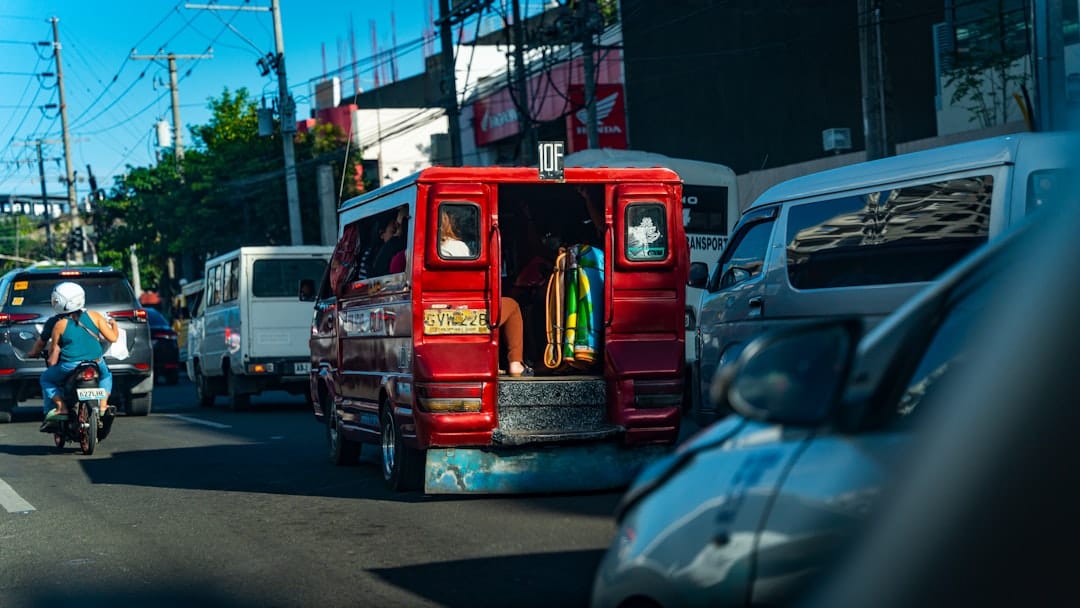
Transport on Negros Island is not organised around speed, efficiency, or personal convenience.
It is organised around timing, shared use, and limitation.
Understanding that difference explains why some parts of getting around feel surprisingly easy, while others feel slow or inconsistent—and why trying to force familiar driving habits into local conditions usually creates friction.
This guide is not about routes, rentals, or shortcuts.
It’s about how movement actually works, and what becomes easier once you stop rushing it.
What “Easy” Means on Negros Island
On Negros, ease is not created by infrastructure alone.
It comes from alignment—moving when movement makes sense, using what’s available, and accepting that transport serves many people at once.
What feels easy here tends to be:
- short distances repeated often
- shared transport used without urgency
- driving that follows the pace of others
- plans that adjust to conditions rather than resist them
Ease is contextual. It depends less on the vehicle and more on expectations.
Driving as One Option, Not the Default
Driving on Negros is common, but it is not the organising principle of daily life.
In cities like Bacolod and Dumaguete, private vehicles mix constantly with motorcycles, tricycles, jeepneys, delivery trucks, and pedestrians. Roads are shared, not prioritised.
What makes driving feel manageable is not clear lanes or strict separation, but predictability through repetition:
- similar traffic patterns each day
- familiar choke points
- unspoken negotiation at intersections
Driving becomes easier once you treat it as participation, not control.
Why Short Trips Feel Easier Than Long Ones
Many people notice that driving short distances feels straightforward, while longer trips feel disproportionately tiring.
That’s because:
- road conditions change frequently
- traffic density varies by time of day
- weather alters visibility and speed
- unexpected stops are normal
Driving works best when distances are modest and expectations are flexible.
This is why many locals break journeys into parts, rather than pushing through in one go.
Shared Transport and Daily Rhythm
For many residents, shared transport defines the day.
Jeepneys, tricycles, and buses operate on flow, not schedules. They move when there are enough people, slow when conditions change, and stop when needed.
In places like Silay, San Carlos, or coastal towns further south, this rhythm is especially clear:
- mornings are active
- mid-day slows
- evenings thin out
Using shared transport is often easier than driving because it matches the existing tempo. There is less decision-making and less urgency.
Why Rushing Creates Friction
Friction usually appears when visitors try to move faster than the system allows.
This shows up as:
- frustration with delays
- impatience at intersections
- confusion when vehicles stop unexpectedly
- stress caused by unpredictable timing
None of these are faults of the system. They are signals that expectations are misaligned.
Transport here assumes time is flexible, not fixed.
Urban Areas vs Provincial Roads
Ease also varies by setting.
Urban areas
In Bacolod and Dumaguete, movement is dense but familiar. Traffic is constant, but patterns repeat. Driving becomes easier once you accept slow flow rather than seeking open roads.
Provincial towns
Smaller towns and upland areas often feel calmer, but require more patience. Roads may narrow, signage may thin, and conditions change quickly.
Here, ease comes from attentiveness, not speed.
Weather, Light, and Timing
Timing matters more than destination.
- rain alters road surfaces and visibility
- heat affects traffic density
- dusk changes how people move
- night travel reduces predictability
Many people find transport easiest earlier in the day, when light is strong and routines are active. Evening movement tends to slow, not because of danger, but because fewer people are out.
Planning around these shifts reduces strain without any optimisation.
Driving Without Owning the Road
One of the most important adjustments for newcomers is understanding that roads are not exclusive spaces.
Pedestrians cross when they need to.
Vehicles merge informally.
Signals are interpreted contextually.
Driving becomes easier when you stop expecting the road to behave like a controlled system and start treating it as a shared environment.
Progress happens through cooperation, not priority.
What Makes Transport Feel Manageable Over Time
Over time, many people report that transport feels easier—not because conditions improve, but because perception changes.
They begin to:
- leave earlier without stress
- accept waiting as normal
- choose routes based on rhythm, not distance
- avoid peak movement windows
Nothing about the roads changes.
The relationship to time does.
Being a Guest on the Road
Slow travel treats transport as part of daily life, not an obstacle to get past.
Being a guest means:
- yielding without resentment
- accepting delays without commentary
- recognising shared use as normal
- avoiding the urge to “correct” behaviour
This doesn’t require approval or enthusiasm. It only requires restraint.
Transport becomes easier when you stop asking it to perform.
Related Guides
- Why Slow Travel Works Better in Negros Than Bucket List Travel
- Why Night Travel Isn’t Always a Good Idea in Rural Areas
Final Note
Driving and transport on Negros Island are easy in one specific way:
they don’t require mastery, optimisation, or control.
They ask for patience, attention, and time.
Once you stop trying to move through the island and allow yourself to move with it, transport becomes simpler—not faster, but far less effortful.
That’s usually when it starts to make sense.