
Buying a Scooter in Negros: A Practical Guide for Long Stays
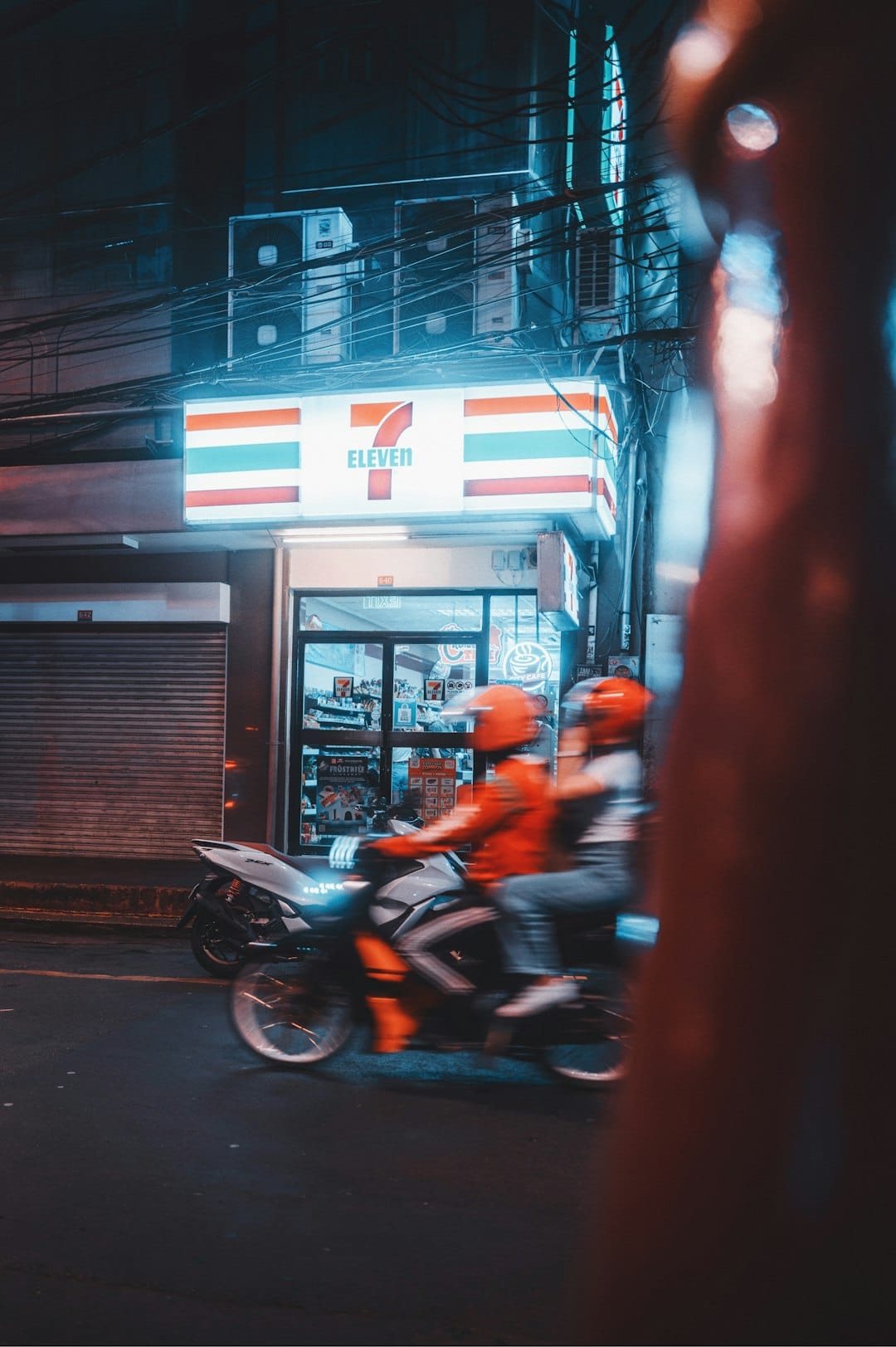
Movement on Negros Island is not organised around speed, efficiency, or personal convenience.
It is organised around availability, road conditions, timing, and tolerance for delay.
Buying a scooter fits into that same system. It doesn’t make travel faster or easier in the way many people expect. It simply changes how you experience distance, waiting, and daily movement.
This guide is not about whether you should buy a scooter.
It’s about what actually happens when people do — and what that choice realistically means on Negros.
What a Scooter Represents on Negros
On Negros, scooters are not recreational vehicles or lifestyle upgrades.
They are working transport.
Most scooters you see are used to:
- get to markets
- move between barangays
- carry supplies
- manage daily errands
They are built into routine life, not layered on top of it.
When people buy a scooter for longer stays, they’re not opting into freedom or flexibility. They’re opting into direct exposure to roads, weather, traffic flow, and unpredictability.
Availability Comes Before Choice
Scooters are not always bought based on preference.
What’s available depends on:
- town size
- dealership stock
- shipping schedules
- seasonal demand
In places like Bacolod or Dumaguete, selection is broader but still inconsistent. Smaller towns often have limited models available at any given time.
People usually buy:
- what’s in stock
- what can be serviced locally
- what parts are available nearby
Waiting weeks for a specific model is normal. So is settling for something close enough.
Paperwork Is a Process, Not a Transaction
Buying a scooter is not a single-day event.
Registration, documentation, and plate issuance often take time. Delays are common, especially outside major centres.
The process typically involves:
- dealer handling initial paperwork
- waiting for registration completion
- temporary documents in the meantime
This isn’t inefficiency. It’s the pace at which systems move.
Expecting immediate completion often leads to frustration. Accepting that movement and paperwork unfold separately makes the process easier to live with.
Roads Define the Experience
Road conditions on Negros vary sharply within short distances.
A scooter ride may include:
- paved highways
- uneven concrete roads
- gravel stretches
- steep upland inclines
- slow-moving town traffic
In upland areas near Valencia, Canlaon, or interior Negros Occidental, gradients and weather matter more than distance. In coastal towns, wind and road exposure shape travel.
Owning a scooter doesn’t smooth these conditions. It makes you part of them.
Weather Is Not a Side Issue
Rain affects everything.
During wet months:
- visibility drops
- roads change texture
- flooding appears unpredictably
- travel windows narrow
Scooters don’t bypass weather delays — they amplify them. Waiting out rain becomes part of daily movement, not an inconvenience to push through.
People who adjust their schedules around weather tend to cope better than those who try to maintain fixed plans.
Fuel, Maintenance, and Downtime
Scooter ownership includes regular interruption.
Fuel access is generally easy in towns but less predictable in rural stretches. Maintenance is straightforward, but availability of parts depends on model and location.
Repairs often involve:
- waiting for parts
- returning another day
- adjusting travel plans
This isn’t a failure of the system. It’s how small-scale maintenance works.
Scooters are practical because they’re simple — not because they’re always available.
Why Scooters Change How Distance Feels
Scooters don’t shorten distances. They redefine them.
Trips become:
- more physical
- more weather-dependent
- more sensitive to timing
A 20-minute ride feels different when:
- traffic slows unexpectedly
- rain starts midway
- road surfaces change
People often ride less, not more, after buying a scooter — choosing routes and days more carefully.
Town Size Matters More Than Ownership
In compact towns like Silay or central Dumaguete, scooters fit naturally into daily movement. In spread-out or mountainous areas, they require more adjustment.
Scooter ownership works best when:
- daily destinations are close
- roads are familiar
- routines repeat
When distances are long or routes change frequently, scooters add effort rather than convenience.
Buying Is About Commitment, Not Control
Buying a scooter doesn’t guarantee:
- reliability
- speed
- independence
It commits you to:
- weather
- road conditions
- maintenance cycles
- local pacing
People who expect scooters to remove friction are often disappointed. People who accept friction as part of movement usually adapt quickly.
When a Scooter Makes Sense
Scooters tend to fit better when:
- stays are measured in months, not days
- daily routes repeat
- waiting is acceptable
- plans are flexible
They make less sense for:
- tightly scheduled travel
- unfamiliar terrain every day
- avoiding discomfort
This isn’t a judgement — just alignment.
Movement Without Optimising It
Scooter ownership doesn’t need to be framed as a strategy.
On Negros, it’s simply one way of moving through space — with exposure instead of insulation.
It doesn’t make travel better or worse.
It makes it more direct.
Related Guides
Final Note
Buying a scooter on Negros Island doesn’t simplify travel.
It makes movement more honest.
Once you stop expecting it to solve anything, it becomes just another way of adapting to the island’s pace — which is exactly what it’s meant to be.