
How Much Food Costs in the Philippines: Real Meal Prices from Negros
Food-price articles about the Philippines are usually written from Manila or from imagination. These are the prices as they actually run on Negros Island, from the carinderia counter up, in pesos, as of mid-2026. Rough conversion: ₱100 is about US$1.70.
The everyday tiers
Street food: ₱10–40 a stick
Barbecue sticks at the evening grills run ₱15–35 depending on cut, isaw and the adventurous end cheaper, chicken proper at the top. A full street dinner, four sticks and rice wrapped in a puso or a plastic bag, lands under ₱150. Fishballs and kwek-kwek off a cart: ₱10–20 a serving.
Carinderia: ₱60–120 a meal
The turo-turo counter is the country’s true restaurant. One ulam (main) with rice runs ₱50–80; two ulam and rice, the working lunch, ₱80–120. Laswa, monggo, and the vegetable pots sit at the bottom of the range, meat dishes at the top. Coffee, the 3-in-1 sachet kind, ₱10–15.
Silog breakfasts: ₱70–130
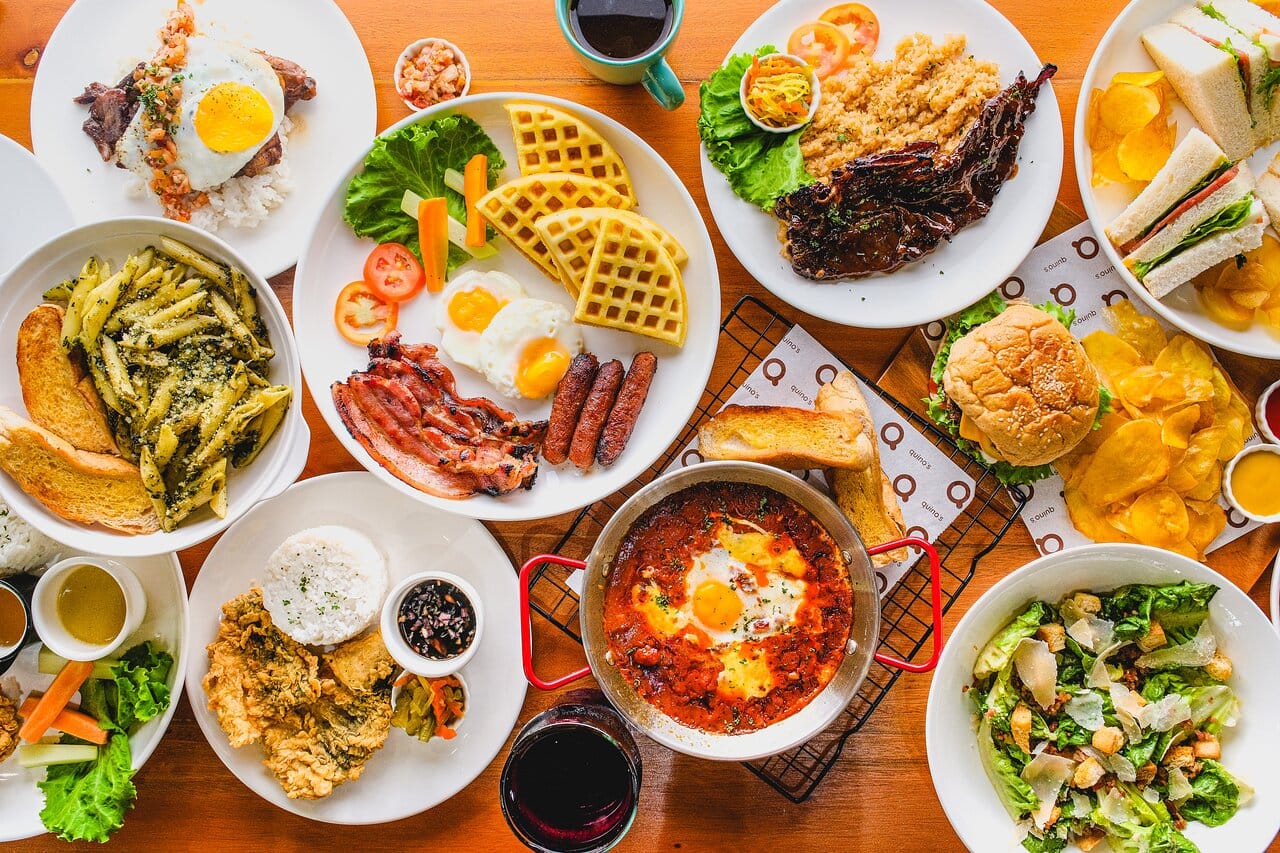
The -silog family, tapsilog, longsilog, bangsilog, garlic rice, egg, and the named thing, at dedicated silogan and carinderias. The single best price-to-fullness ratio on the island.
Inasal and the grill houses: ₱130–220 a meal
At Manokan Country in Bacolod or any serious inasal house, paa or pecho with rice runs ₱120–180, unlimited rice pushing the top of that, plus ₱20–40 for the drink. This is the everyday celebration tier: real restaurant food at carinderia-plus prices.
Mall food courts and fast food: ₱120–250
A food court plate runs ₱120–200; the burger chains land ₱150–250 for a meal. Notably, this makes the mall dearer than most local food, the reverse of what new arrivals assume.
Sit-down restaurants: ₱250–500 a head
The Lacson Street corridor in Bacolod and the Dumaguete restaurant belt both price mains at ₱180–350, with drinks and rice taking a two-person dinner to ₱700–1,200. The heritage-house restaurants in Silay sit at the same level, atmosphere included at no extra charge.
The top of the island: ₱600–1,500 a head
Resort dining on the Dauin strip, the contemporary kitchens in Dumaguete, hotel restaurants in Bacolod. This is also the ceiling; Negros simply doesn’t have a Manila-priced fine-dining layer, which is one of the quiet arguments for living here.
Drinks, snacks, and the market basket
Local coffee at a stall: ₱15–25. Café coffee: ₱100–180, the single biggest markup ratio on the island. Fresh buko off a roadside stack: ₱25–40. Beer: ₱50–70 at a store or carinderia, ₱80–120 at a bar with a view. Fresh fruit shake: ₱60–100.
At the market, the staples that anchor everything: rice ₱45–60 a kilo depending on variety, eggs around ₱8–10 each, bananas ₱60–90 a kilo, tomatoes anywhere from ₱40 in season to ₱120 out of it, fish from ₱150 a kilo for the everyday catch to ₱300+ for the prized ones, whole chicken ₱180–220 a kilo, pork ₱280–350. A household market run for two, protein, vegetables, fruit, rice for the week, comes in around ₱1,500–2,500 depending mostly on how much meat and which fish.
Why the same meal has three prices
The variables are location, season, and who’s asking. A meal 30% cheaper in Kabankalan than on Lacson Street is normal; anything within sight of a dive resort or a boulevard carries a visibility premium. Season moves the market basket hard, tomatoes triple out of season, mangoes halve in it, fish thins when the monsoon keeps boats in. And foreigner pricing exists at the informal edges, markets and tricycle-adjacent food included; the counters are knowing rough prices before buying, watching what the local ahead of you pays, and becoming a suki, a regular, which converts you from a price category into a customer.
What a day of eating actually totals
Eating entirely local, silog breakfast, carinderia lunch, street BBQ dinner, runs ₱300–400 a day and nobody goes hungry on it. Mixing in a daily café stop and a sit-down dinner takes it to ₱800–1,200. Eating as if the island were a resort, imported groceries, restaurant meals, resort dinners, clears ₱2,500 without effort, which is how two people in the same town report monthly food budgets that differ by a factor of five, and both are telling the truth.