
Slow Food in Negros Island: Markets, Local Food Culture and Eating Without Rushing
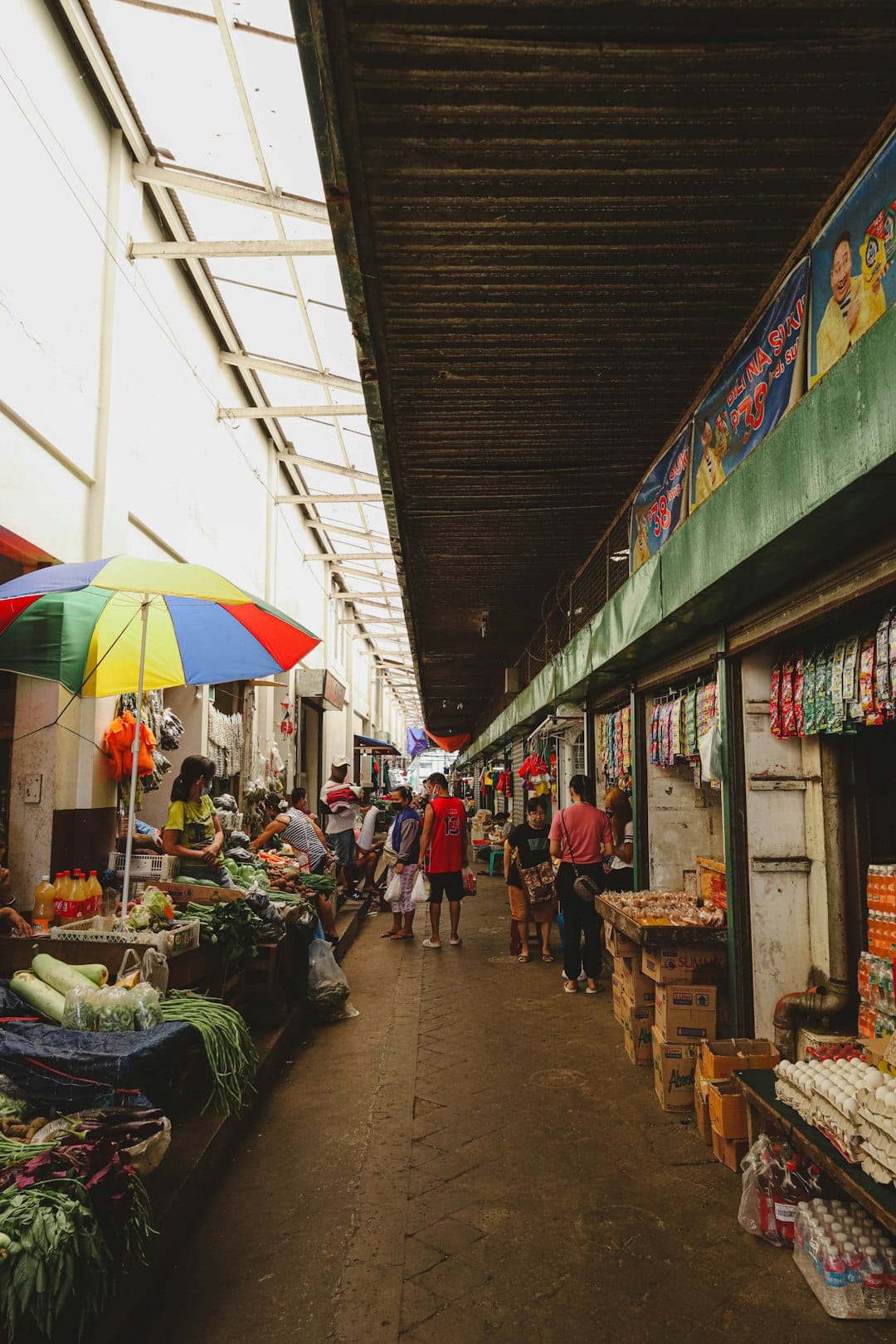
Food on Negros Island is not organised around convenience, speed, or unlimited choice.
It is organised around timing, availability, and routine.
Understanding that one difference removes most of the frustration visitors experience when eating here — and explains why meals often feel calmer, simpler, and slower than expected.
This page is not about where to eat.
It’s about how food actually works.
What “Slow Food” Means on Negros Island
On Negros, slow food isn’t a movement, a label, or a philosophy people talk about.
It’s simply the way daily life functions.
Food is prepared:
- when ingredients arrive
- by small kitchens
- for people who are not in a hurry
There is no idea of “optimising service” or maximising turnover. Meals fit into the day, not the other way around.
This is why comparing Negros food culture to restaurant norms elsewhere often leads to confusion. The system was never designed for speed or variety. It was designed for freshness, repetition, and predictability.
How Food Is Sourced Each Day
Most food on Negros begins its day early.
Fish arrives at dawn. Vegetables are harvested before the heat. Meat, rice, and staples move through familiar supply routes that haven’t changed much in decades.
Public markets in places like Bacolod, Dumaguete, Silay, San Carlos, and Bais operate on this timing. By mid-morning, the best selection is often gone. That’s normal.
Markets here are not places to browse or linger. They exist to supply households and small kitchens for the day’s meals. Once that job is done, the system slows down.
Why Meals Take Time (and Why That’s the Point)
Meals take longer on Negros because food is cooked after it’s ordered, not held in reserve.
Most local kitchens:
- prepare dishes in small batches
- cook with limited equipment
- serve many people at once
- adjust constantly based on what’s available
Add to that shared tables, conversation, and waiting together, and meals naturally slow down.
This isn’t inefficiency.
It’s a different priority.
Food here is something you pause for, not something you fit between activities.
Markets Before Restaurants
To understand eating on Negros, markets come first.
Morning markets
Markets operate early because:
- fish is freshest at dawn
- vegetables wilt quickly in heat
- households cook earlier in the day
By late morning, many stalls are already winding down. This isn’t poor planning — it’s completion. The day’s food has already been distributed.
Carinderias
Carinderias exist because markets exist.
They cook:
- what was bought that morning
- what locals expect to eat that day
- what can be prepared simply and reliably
Menus change. Dishes sell out.
This isn’t a failure of planning. It’s responsiveness. When food runs out, it means the system worked as intended.
When restaurants make sense
Restaurants tend to work best:
- later in the day
- in town centres
- when you’re not rushing
Expecting fast service at lunchtime — especially near markets — often leads to frustration. Lunch is the busiest cooking window, not a quick stop.
Where Slow Food Rhythms Are Strongest
Slow food rhythms are most visible where daily life is concentrated.
Town centres
Older town centres support:
- early markets
- steady foot traffic
- predictable routines
Food in these areas reflects everyday needs, not visitor demand. You’ll see the same dishes appear repeatedly, day after day.
Market-adjacent areas
Being near a market makes food easier:
- ingredients are close
- meals are planned around availability
- eating out feels simpler
This matters more over time than novelty or variety.
Everyday long-use areas
Areas where people live, work, and eat daily — not seasonally — show the rhythm most clearly. Food appears when it’s needed and disappears when it isn’t.
How Slow Food Shapes the Day
Trying to “fit food in” is one of the fastest ways to feel frustrated on Negros.
Don’t stack activities
If you plan multiple activities around lunch, one of them will feel rushed — or skipped.
Lunch is not quick
Lunch is often the main cooked meal of the day. Expecting it to be fast works against how kitchens operate.
Evenings slow naturally
Many people eat earlier, more simply, or closer to home. Night dining exists, but it isn’t the centre of food culture.
Once days are planned around these rhythms, everything feels easier — not slower.
Eating Respectfully Without Overthinking It
You don’t need to perform or moralise to eat respectfully here.
What works naturally
- simple dishes
- what’s available
- what locals are eating
These choices align with how food systems already function.
What creates friction
- demanding substitutions
- expecting constant variety
- treating “sold out” as a problem
Food here responds to supply, not preference.
Small habits that matter
- eat patiently
- accept limitations
- don’t rush people doing their work
These habits matter more than where money is spent.
Markets and Local Food Places That Show These Rhythms
While slow food on Negros isn’t a formal label, there are places where the rhythm becomes easy to see.
Morning markets are the clearest example.
Markets such as:
- Malatapay Market
- Dumaguete Public Market
- Bacolod Central Market
show how food distribution still works across the island.
Fish arrives early.
Vegetables appear briefly and disappear quickly.
Small kitchens and households buy what they need for the day.
Once the morning flow finishes, the food system slows naturally.
You can see the same rhythm in many smaller towns — from market streets in Bais and Tanjay to roadside vegetable stalls in Valencia or Dauin.
These places rarely advertise themselves as “slow food”.
They simply reflect how food has always moved through communities here.
Farms and Small Kitchens
Slow food is also visible in farms and small restaurants that rely on local supply rather than imported ingredients.
Places such as:
- Masaplod Norte Organic Farm
- Buglas Isla Café
show how this approach works in practice.
Menus change with availability.
Ingredients are sourced nearby.
Meals are prepared in small batches.
None of this is presented as a trend or movement.
It is simply an extension of the same market-driven system.
Explore the Negros Slow Food Map
Across the island, many places quietly follow these patterns.
Markets, farm stalls, small kitchens, and food producers all contribute to the everyday food system.
The interactive map below highlights locations where these rhythms are easiest to see — from traditional markets and organic farms to restaurants that cook with local ingredients.
Instead of focusing on reviews or rankings, the map shows how food actually moves through Negros Island communities.
Related Guides
- Morning Markets in Negros: What Locals Buy Before 9am
- Carinderias Explained: How to Order Without Stress
- Why Lunch Takes Longer in Negros (and Why That’s Normal)
- Why Low Prices Don’t Mean Low Quality Food on Negros Island
- Food Availability vs Preference on Negros Island
- How Much a Local Meal Really Costs in Negros
- Negros Island documents daily life, food, and everyday systems on the island.
Final Note
Slow food on Negros Island isn’t something you seek out.
It’s something you stop fighting.
Once you do, eating becomes simpler, calmer, and far less frustrating — exactly as it’s meant to be.