
How to Choose a Seat That Makes the Ride Easier
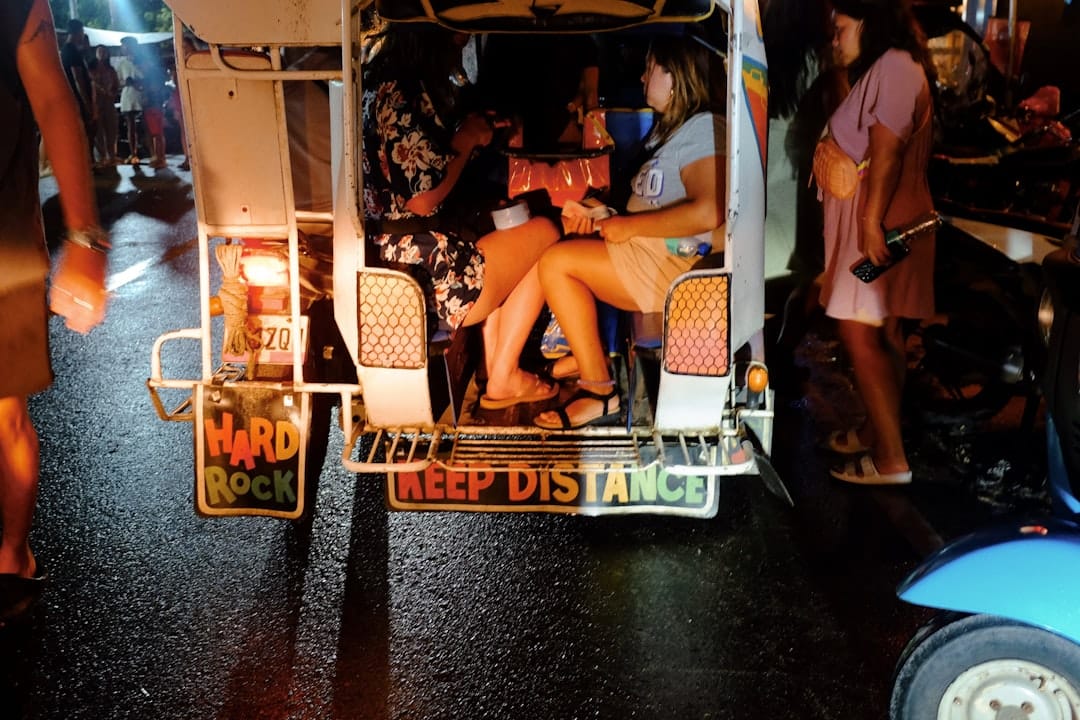
Transport on Negros Island is not organised
around comfort, efficiency, or personal preference.
It is organised around availability, shared use, and timing.
Understanding that one difference explains why some journeys feel surprisingly easy — and why others feel exhausting before they even begin.
This guide is not about getting the “best” seat.
It’s about how riding actually works, and how small choices can reduce friction without changing anything around you.
What “Comfort” Means on Negros Island
On Negros, comfort during travel is not something built into the system.
It’s something that emerges when expectations align with reality.
Comfort usually comes from:
- knowing what kind of ride you’re on
- accepting that space is shared
- understanding when movement happens — and when it doesn’t
It rarely comes from seat design, legroom, or guarantees.
Trying to carry outside expectations into local transport often creates tension where none existed.
Why Seating Is About Rhythm, Not Position
On buses, jeepneys, vans, and tricycles, seats are not assigned based on optimisation. They’re filled based on flow.
That flow depends on:
- who arrived first
- who needs to get off earlier
- how full the vehicle is allowed to be
- what will make loading and unloading easier
The “best” seat is rarely the one with the best view.
It’s the one that fits the ride’s rhythm.
Front, Middle, or Back — What Changes
Where you sit affects how you experience the ride, but not in the way many people expect.
Front seats
Closer to drivers and conductors, front seats often involve:
- more conversation
- more requests to shift or adjust
- earlier exits
They suit short rides or people comfortable with interaction.
Middle seats
The middle is usually the most stable area:
- fewer disruptions
- less movement
- more predictability
On longer rides — such as buses between Bacolod and San Carlos, or vans running through Negros Oriental — this area often feels calmer.
Back seats
The back fills last and empties last.
- more movement
- more stops
- more adjustment
They work best if you’re not in a hurry and don’t mind standing briefly or shifting positions.
Why Window Seats Are Not Always Easier
Window seats are often assumed to be preferable. On Negros, that’s not always true.
Window seats can mean:
- less flexibility to exit
- more waiting for others to move
- more exposure to heat and sun
Aisle seats, while less private, often allow easier adjustment when stops are frequent — especially in towns like Dumaguete or Silay, where short hops are common.
Ease comes from adaptability, not isolation.
Timing Matters More Than Seating
When you ride often matters more than where you sit.
Early morning rides:
- are cooler
- have clearer boarding order
- involve fewer seat changes
Midday rides:
- are hotter
- fill unevenly
- require more patience
Late afternoon rides:
- are shaped by people returning home
- involve more short stops
- prioritise getting everyone aboard
Choosing to ride at the right time often does more for comfort than any seat choice.
Shared Space Is the Default
All local transport on Negros assumes shared space.
This includes:
- shared armrests
- shared legroom
- shared airflow
- shared pauses
Trying to protect personal space usually leads to discomfort — not because others are inconsiderate, but because the system wasn’t designed for separation.
Once you accept shared use as normal, rides feel less stressful.
Why Asking for a “Better” Seat Rarely Helps
Requests for specific seating can create confusion, not accommodation.
Drivers and conductors are managing:
- load balance
- stop sequences
- payment flow
They are not arranging experiences.
When seats change, it’s usually to make the ride smoother for everyone, not to disadvantage anyone.
Letting seating remain fluid reduces friction.
Long Rides vs Short Hops
On longer routes — such as inter-town buses across Negros Occidental or vans moving inland — small differences matter more.
On short hops:
- comfort is brief
- inconvenience passes quickly
On longer rides:
- stability matters more than position
- airflow and shade matter more than view
- predictability matters more than preference
Choosing calm over control makes long rides easier to live with.
Why Standing Briefly Is Part of the System
Standing is not a failure of planning.
It’s part of how shared transport absorbs demand.
Short periods of standing:
- allow more people to move
- keep routes flexible
- reduce wait times overall
Treating standing as temporary rather than unfair changes how the ride feels.
Riding as a Guest, Not a Consumer
Slow travel on Negros is about acceptance, not optimisation.
You’re not buying a tailored experience.
You’re participating in a system that already works for the people who use it daily.
When you ride as a guest:
- you adapt quietly
- you wait without commentary
- you let the system do its work
That mindset makes every seat easier.
Related Guides
- Why Slow Travel Works Better in Negros Than Bucket List Travel
- Why Locals Travel Early and Tourists Travel Late
Final Note
There is no perfect seat on Negros Island — only seats that fit the moment.
Once you stop trying to secure the best position and start moving with the ride’s rhythm, travel becomes lighter, calmer, and far less tiring.
Not because the system changed —
but because your expectations did.