
What Fresh Means Here vs Back Home
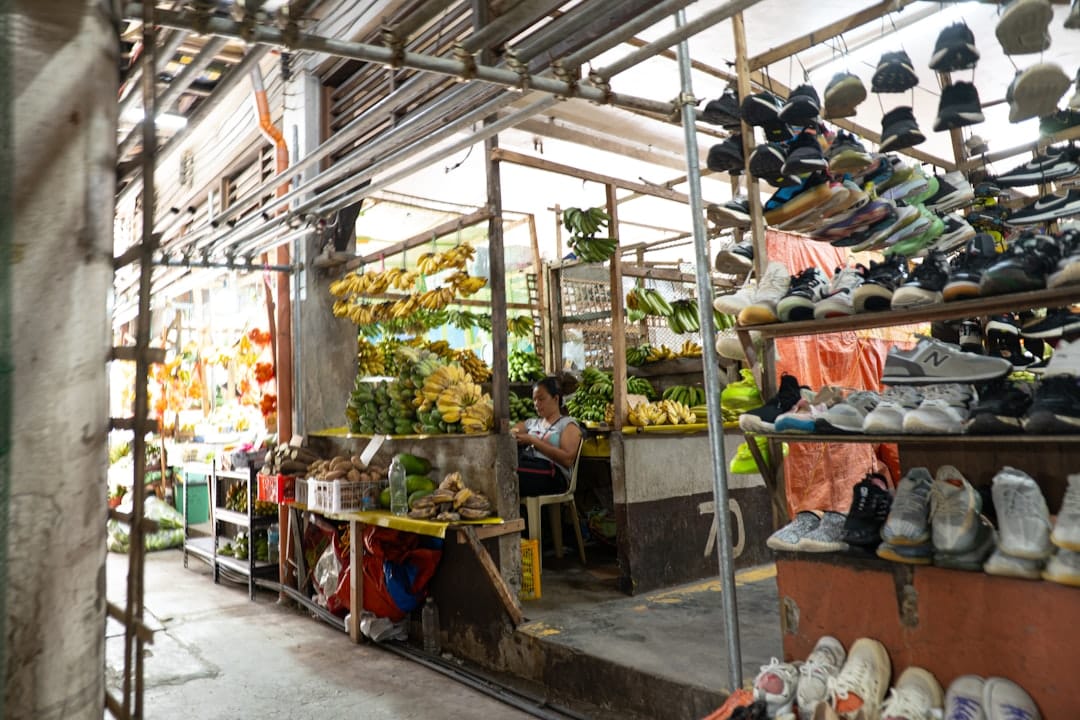
Food on Negros Island is not organised around shelf life, packaging dates, or brand promises.
It is organised around arrival time, heat, and use.
Understanding that one difference explains why food here often tastes fresher without being labelled as such — and why visitors sometimes misread what they’re seeing when they compare it to “fresh” back home.
This guide is not about quality claims.
It’s about how freshness actually works in daily life.
What “Fresh” Means on Negros Island
On Negros, “fresh” is not a marketing term.
It’s a time window.
Food is considered fresh when it is:
- recently harvested or caught
- purchased the same morning
- cooked the same day
- eaten without storage
There is no expectation that food should last for days. There is no system built around extending shelf life. Food moves quickly because it is meant to.
Freshness here is measured in hours, not dates.
Why “Fresh” Back Home Often Means “Stable”
In many places, “fresh” means something different.
It often refers to food that is:
- refrigerated immediately
- transported long distances
- stored to look consistent
- sold over several days
That system prioritises predictability and availability. Food stays usable longer, but it also becomes separated from the moment it was produced.
On Negros, predictability matters less than timing.
Neither system is better. They are simply built for different conditions.
Markets and the Morning Window
Freshness on Negros begins early.
In public markets in places like Bacolod, Dumaguete, Silay, Bais, or San Carlos, mornings define the day’s food.
- fish arrives around dawn
- vegetables come in before the heat
- meat is prepared early
- most buying happens before mid-morning
By late morning, selection narrows. By early afternoon, many stalls are closing.
This isn’t a failure of supply.
It’s the end of the freshness window.
Markets are not stocked for browsing all day. They exist to move food quickly into kitchens.
Why Food Doesn’t Sit Around
Heat changes everything.
Without cold chains designed for long storage, food is handled with a clear expectation: use it or lose it.
This affects how food is:
- portioned
- priced
- prepared
- sold
Small quantities are normal. Running out is expected. Carrying leftovers into the next day is uncommon.
Freshness here depends on flow, not preservation.
Carinderias and Same-Day Cooking
Carinderias translate market timing into meals.
They cook:
- what was bought that morning
- what can be finished the same day
- what people expect to eat right now
Menus change because inputs change. Dishes sell out because cooking stops when ingredients are used.
A meal is fresh because it was not designed to last.
This is why comparing carinderia food to restaurant storage practices elsewhere usually leads to confusion. They serve different definitions of “fresh.”
Why Food Tastes Different (Without Trying To)
Many people notice that simple dishes taste more vivid here.
That’s not because of special techniques.
It’s because ingredients are:
- used close to harvest
- cooked soon after purchase
- handled minimally
- not stabilised for transport
Vegetables haven’t been chilled and reheated. Fish hasn’t travelled far. Meat hasn’t been aged for display.
Taste follows immediacy.
Town Centres vs Edge Areas
Freshness varies slightly by location — again, because of timing.
Town centres
In central areas of Bacolod or Dumaguete, food moves quickly because:
- markets are nearby
- foot traffic is steady
- kitchens cook continuously
Market-adjacent neighbourhoods
Near public markets, freshness is strongest:
- buying happens early
- cooking starts immediately
- food rarely sits
Outlying areas
In smaller barangays or upland towns, freshness depends on delivery schedules. When transport is delayed, menus adapt rather than store.
Variation reflects logistics, not quality.
Why “Fresh” Doesn’t Look Polished
Food that moves quickly doesn’t need to look perfect.
Produce may:
- be irregular in size
- show signs of soil or handling
- arrive without sorting
This is normal.
Visual perfection usually comes from selection, storage, and time — all things that work against immediacy.
On Negros, freshness is practical, not aesthetic.
How Freshness Shapes Daily Eating
Because food is freshest early, eating patterns adjust.
People tend to:
- eat the main cooked meal earlier
- choose what’s available
- repeat familiar dishes
- eat simply in the evening
Freshness shapes rhythm, not variety.
Once this is understood, food feels reliable rather than limited.
When “Fresh” Stops Being the Goal
There are times when freshness gives way to convenience.
Restaurants, bakeries, and later-day eateries operate differently. They use refrigeration and storage to serve longer hours. Their food can still be good — but it follows a different logic.
The key is knowing which system you’re in.
Confusion happens when expectations cross over.
Understanding Freshness Without Judging It
There’s no need to rank definitions of fresh.
Both systems exist because they solve different problems:
- one prioritises immediacy
- the other prioritises availability
On Negros, freshness is a byproduct of routine, not a promise.
Recognising that removes most of the comparison.
Related Guides
- Slow Food in Negros Island: Eating Local Without Rushing
- Eating Seasonal Food in Negros: What Appears and Disappears
Final Note
Fresh food on Negros Island isn’t something that’s claimed or advertised.
It’s something that happens when ingredients arrive, kitchens are ready, and meals are eaten without delay.
Once you stop expecting freshness to look a certain way, it becomes easy to recognise — and easy to live with.