
Why Rice Is Not a Side Dish Here
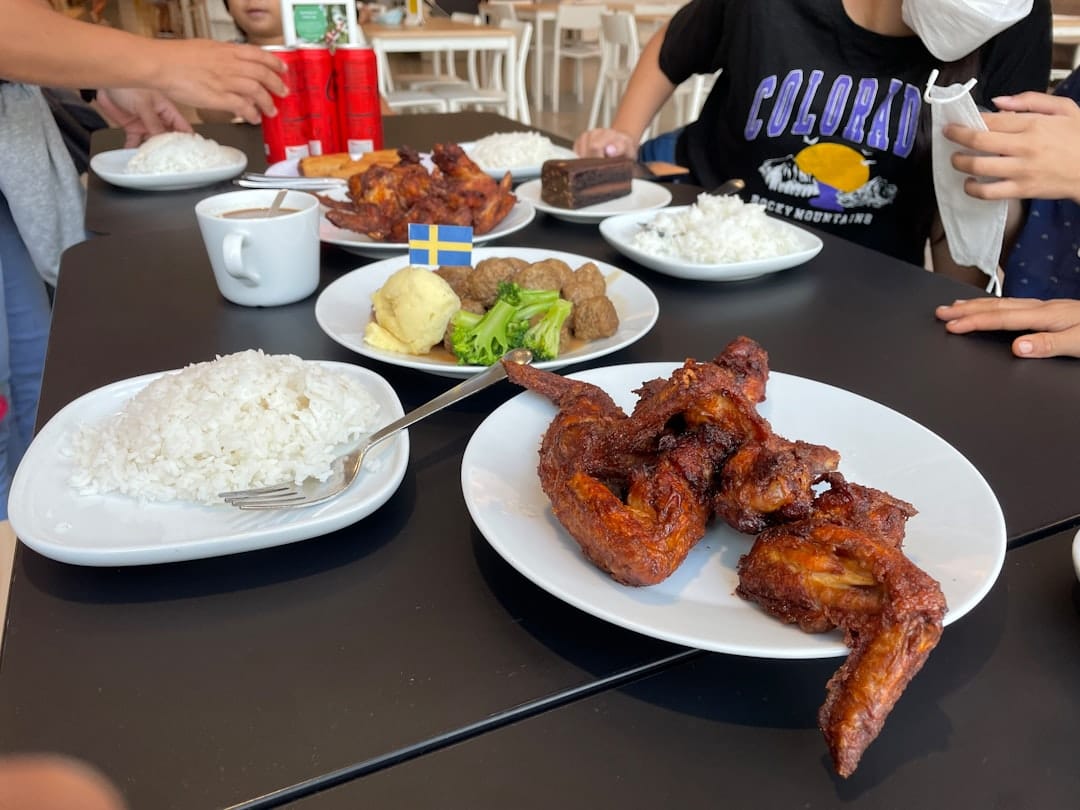
Food on Negros Island is not organised around plates, courses, or menu hierarchy.
It is organised around what sustains the day.
Understanding that one difference explains why rice is not treated as a side dish here — and why meals make more sense once you stop looking for a “main” and start noticing what everything else is built around.
This guide is not about nutrition or tradition.
It’s about how meals actually function.
What Rice Means on Negros Island
On Negros, rice is not an accessory to food.
It is the structure that food is organised around.
A typical meal is not thought of as:
- rice plus something
It is thought of as:
- rice, with ulam (whatever goes with it)
Rice is assumed.
Everything else is flexible.
This is why meals don’t feel incomplete when the meat or vegetables are simple. The rice is doing most of the work.
Why Rice Comes First (Always)
Rice is prepared before decisions about the rest of the meal are finalised.
In many households and small kitchens:
- rice is cooked early
- it stays available through the day
- dishes are added as ingredients arrive
If fish is plentiful, it appears.
If vegetables are limited, meals adjust.
If nothing extra is cooked, rice is still eaten.
The meal exists because the rice exists.
Markets, Rice, and Daily Planning
Public markets in places like Bacolod, Silay, Dumaguete, and smaller provincial towns operate with this assumption built in.
Rice is:
- purchased in advance
- stored
- portioned across days
Markets influence what goes with rice, not whether rice is eaten.
That’s why people shop for:
- fish by the piece
- vegetables by small bundles
- meat in modest cuts
The goal is not variety.
It’s balance against a stable base.
Carinderias and Rice-Centred Meals
Carinderias exist because rice exists.
Most carinderia meals are priced and portioned with rice as the constant.
What changes day to day is:
- the ulam
- the quantity
- the cooking method
A plate without rice doesn’t feel like a meal.
A plate with rice doesn’t need much else.
This is why:
- dishes sell out without replacement
- menus are short
- substitutions are uncommon
The rice is already there. The rest responds to availability.
Why Portions Look the Way They Do
Visitors sometimes notice that meat or vegetables appear modest compared to the rice.
This isn’t scarcity.
It’s proportion.
Rice provides:
- energy
- fullness
- continuity
The ulam provides:
- flavour
- variation
- texture
Meals are built to sustain work, walking, and heat — not to showcase ingredients.
Once you see rice as the centre, portions stop looking “small” and start looking correct.
Rice and Meal Timing
Rice also shapes when people eat.
Because rice is cooked early and kept available:
- breakfast can be simple
- lunch becomes the main cooked meal
- dinner is often lighter or repetitive
In many households, rice cooked in the morning carries through the day. What changes is what’s eaten with it.
This is one reason meals don’t follow strict time slots. Rice smooths the day.
Restaurants vs Everyday Eating
Restaurants often treat rice differently.
In restaurants:
- rice may be optional
- rice may be portioned separately
- rice may arrive later
This reflects a different eating logic — one built around dishes as products.
In everyday life:
- rice is not ordered
- rice is not negotiated
- rice is not highlighted
It is simply there.
Expecting restaurant-style hierarchy from daily meals leads to misunderstanding.
Town Centres and Rice Habits
Rice-centred eating is most visible where daily routines are strongest.
In older town centres of Bacolod or Dumaguete, and in market-adjacent areas:
- rice is eaten at predictable times
- meals repeat with small variations
- eating out mirrors eating at home
In more visitor-oriented areas, rice can feel secondary because the surrounding system is different.
The difference isn’t preference.
It’s structure.
Why Rice Makes Meals Feel “Slower”
Rice anchors the meal.
Because rice is filling and steady:
- meals aren’t rushed
- eating becomes a pause
- there’s less pressure to move on quickly
You don’t eat rice standing up.
You don’t eat rice in a hurry.
This contributes to the slower, calmer feeling many people notice — without anyone deliberately slowing down.
Common Misreadings
People unfamiliar with rice-centred meals often misinterpret what they’re seeing.
They assume:
- food is incomplete
- choice is limited
- meals lack variety
What’s actually happening is consistency.
Variety exists across days, not within a single plate. Rice allows that variation to happen without disruption.
Eating With Rice Without Overthinking It
There’s no need to adapt consciously.
Simple habits work:
- eat what’s available
- don’t ask for rice to be removed or replaced
- notice what changes day to day
What to avoid:
- treating rice as filler
- focusing on the “main” dish
- expecting substitution logic
Rice isn’t an option here.
It’s the baseline.
Related Guides
Final Note
Rice on Negros Island isn’t a side dish because meals were never designed around sides and mains.
They were designed around getting through the day.
Once you understand that, meals stop needing explanation — and start making quiet, practical sense, exactly as they’re meant to.