
What Negros Island Feels Like When You Stop Rushing
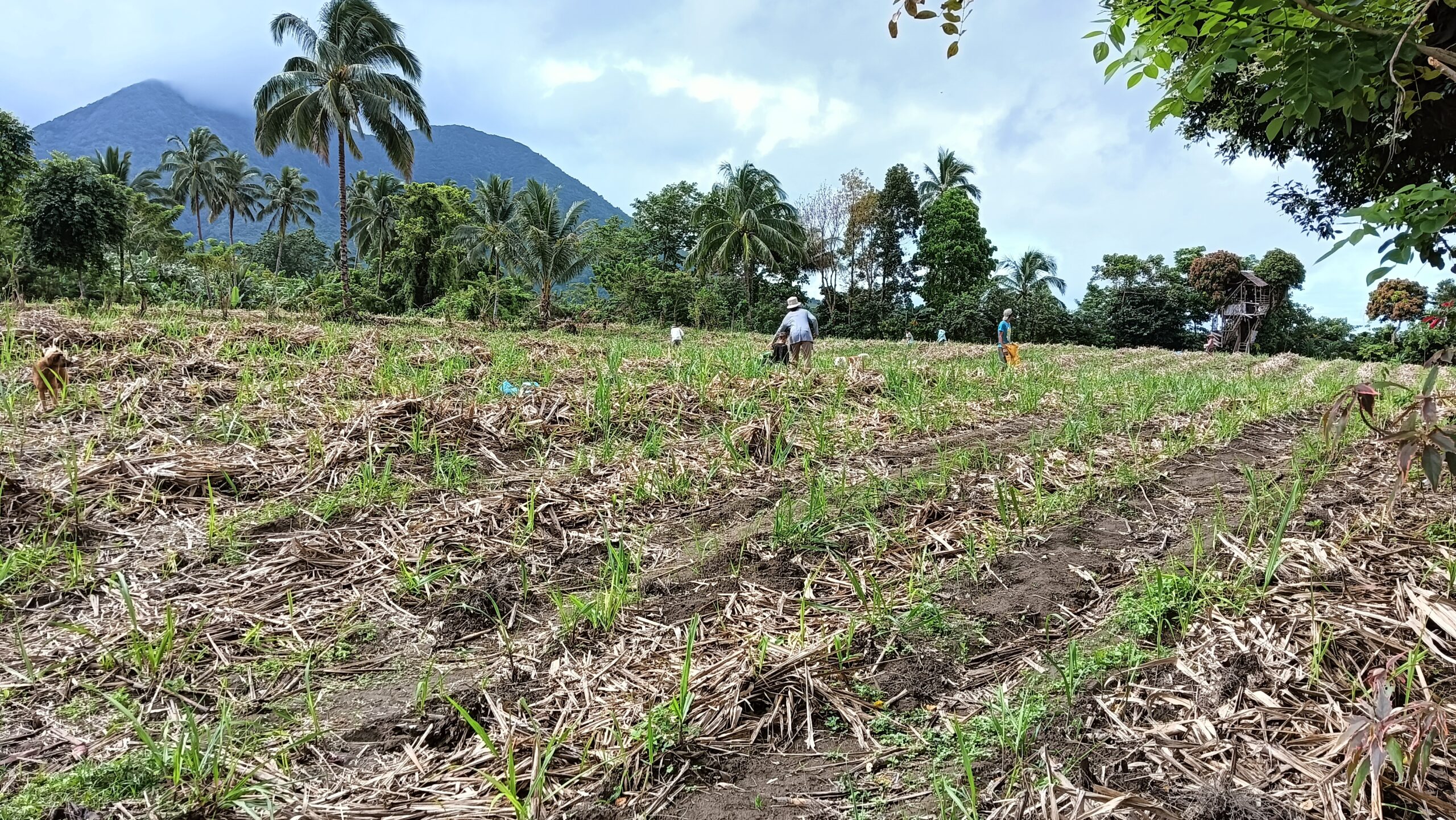
Life on Negros Island is not organised around efficiency, speed, or optimisation.
It is organised around timing, geography, and lived systems that have developed to suit the island itself.
Understanding that one difference explains why Negros often feels slower, less predictable, and calmer than people expect — and why frustration usually comes from misreading how the place works, not from anything going wrong.
This guide is not about where to go.
It’s about how the island functions as a place people live.
What “How the Island Works” Really Means
Negros is not a single system. It’s a collection of interlocking local systems shaped by distance, terrain, weather, and history.
Daily life here is organised by:
- where towns developed historically
- how goods move across the island
- when people need to be in certain places
- what can realistically be done in a day
There is no central rhythm that applies everywhere at once.
Instead, each town and area runs on a version of the same logic, adjusted to local conditions.
This is why trying to apply uniform expectations across the island rarely works.
Geography Shapes Everything First
Negros is large, mountainous, and divided internally by terrain.
The central spine of mountains affects:
- travel time between east and west
- weather patterns
- agricultural zones
- settlement density
Moving between Bacolod on the western side and Dumaguete on the eastern side is not just a change of city — it’s a shift in how daily life is paced.
Upland towns such as Valencia or Canlaon operate differently again, with cooler temperatures, earlier days, and stronger ties to agriculture.
Geography here doesn’t decorate life.
It structures it.
Towns as Functional Units, Not Destinations
Most towns on Negros are not designed as destinations. They exist to serve surrounding communities.
A typical town functions as:
- a market centre
- a transport interchange
- a place for services, schooling, and trade
This is visible in towns like San Carlos, Bais, Silay, or Guihulngan, where daily life is concentrated around markets, terminals, and main streets rather than attractions.
Activity peaks early.
By afternoon, towns often quieten noticeably.
That pattern isn’t a lull — it’s the day unfolding as intended.
Timing Matters More Than Planning
On Negros, timing shapes outcomes more than preparation.
- Markets run early
- Transport slows after certain hours
- Services cluster into predictable windows
- Weather affects everything
Trying to compress too much into a day usually leads to waiting, not progress.
People who live here organise their days around:
- when things open naturally
- when movement is easiest
- when energy is highest
Planning is loose. Adjustment is constant.
Systems Over Schedules
Many daily systems on Negros operate without fixed schedules.
Examples include:
- informal transport
- small-scale supply chains
- local food distribution
- service availability
This doesn’t mean things are unreliable.
It means they are responsive.
Instead of adhering to clocks, systems respond to:
- demand
- availability
- weather
- human presence
Expecting strict scheduling often creates tension. Accepting flexibility removes it.
Why Distances Feel Different Here
Distances on Negros are rarely measured in kilometres alone.
They are experienced through:
- road quality
- traffic patterns
- terrain
- weather
- time of day
A short distance on a map can feel long in practice, while longer routes may feel routine if they align with daily movement.
This is why locals think in terms of time available, not distance covered.
East, West, and the Island Divide
The island’s two main provinces — Negros Occidental and Negros Oriental — share geography but differ in rhythm.
Western towns are often:
- more agricultural
- earlier starting
- more spread out
Eastern towns tend to be:
- more compact
- influenced by coastal movement
- shaped by inter-island connections
Neither is faster or better.
They are simply adapted to different conditions.
Why Life Slows Without Anyone Choosing It
Slowness on Negros is not ideological.
It’s structural.
Life slows because:
- systems are local
- scale is small
- margins are thin
- repetition is valued
There is no incentive to accelerate beyond what the system can support.
When people stop pushing against this, daily life becomes readable.
Understanding Without Needing Access
You don’t need insider knowledge to understand how Negros works.
You need observation and patience.
Most daily systems are visible:
- markets setting up and closing
- transport ebbing and flowing
- towns filling and emptying
Understanding comes from watching patterns repeat, not from explanation.
Access is not required.
Attention is enough.
What Negros Is Not Trying to Be
Negros is not organised to:
- impress
- perform
- compete
- accommodate outside timelines
It functions for the people who live here, first and last.
Visitors and observers move through that system — they don’t replace it.
Related Guides
- The 3 Speeds of Travel on Negros
- The First Week Problem and How to Avoid It
- What Most People Get Wrong About Negros Before They Arrive
- Why Negros Rewards Second Visits More Than First Visits
- How to Engage with Local Culture and Communities on Negros Island
Final Note
Negros Island doesn’t need to be interpreted, improved, or explained into coherence.
It already works — quietly, repeatedly, and on its own terms.
Once you stop measuring it against outside systems, the island becomes easier to understand — not because it changes, but because you do.