
What to Do When You Get Stuck Between Towns
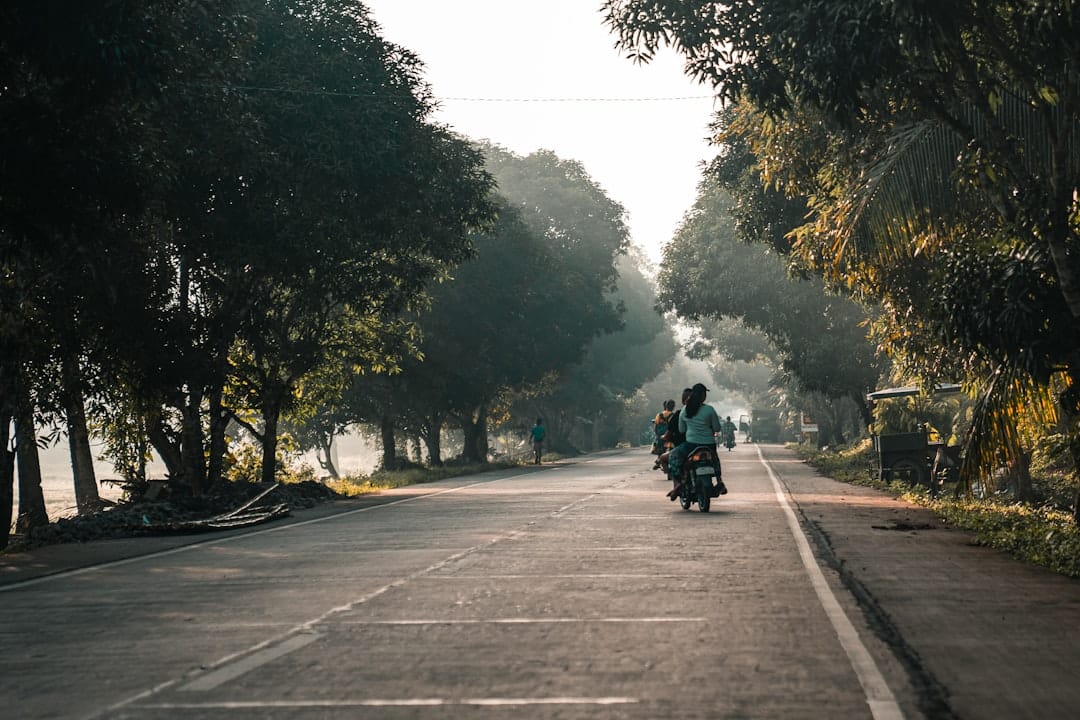
Travel on Negros Island is not organised around speed, certainty, or connection guarantees.
It is organised around timing, availability, and shared routes.
Understanding that one difference removes most of the stress people feel when they find themselves waiting—between towns, between rides, or between decisions—and explains why rushing almost always creates friction.
This guide is not about shortcuts or backup plans.
It’s about how movement actually works when you are a guest in a place that moves on its own terms.
What “Getting Stuck” Means on Negros Island
On Negros, getting stuck usually doesn’t mean being stranded.
It means you have arrived between rhythms.
That can happen when:
- a vehicle fills sooner than expected
- the last connection leaves earlier than planned
- weather shifts travel windows
- drivers pause until demand is shared
None of this is exceptional. It’s how transport fits into daily life.
Movement here is collective before it is individual.
Trips happen when they make sense for everyone using the route.
Why Timing Matters More Than Distance
Distances on the island often look manageable on a map.
Timing is what changes everything.
Between towns such as Bacolod and San Carlos, Dumaguete and Bais, or inland routes toward Valencia, travel depends on:
- when people are moving
- where vehicles are already going
- whether demand aligns
Arriving at the wrong hour can feel like a delay.
Arriving at the right hour often feels effortless.
The difference is rarely distance—it’s alignment.
Shared Transport, Shared Pace
Most movement on Negros relies on shared systems.
Vehicles wait until:
- enough passengers are present
- a route makes sense
- the day’s pattern settles
This creates pauses that feel unfamiliar if you expect constant flow.
Waiting isn’t inefficiency here.
It’s coordination.
When you accept that pace, being “stuck” becomes a pause rather than a problem.
Why Rushing Creates Friction
Rushing works against how transport systems function.
When people rush, they tend to:
- ask for immediate departures
- compare schedules to other places
- treat waiting as a service failure
That tension doesn’t speed things up. It usually does the opposite.
Local systems respond best to patience.
They resist pressure quietly.
Towns vs In-Between Places
Being stuck feels different depending on where you are.
Town centres
In places like Bacolod, Dumaguete, or San Carlos, waiting often feels easier because:
- food is nearby
- movement continues around you
- options reappear naturally
In-between towns
Between smaller towns or along rural stretches, waiting feels more exposed:
- fewer visible services
- longer gaps between vehicles
- less explanation
These pauses are normal. They’re part of how routes stay viable.
What Locals Do When Movement Pauses
Locals rarely describe themselves as “stuck.”
They:
- wait without narrating it
- sit where they are
- talk, eat, or do nothing
- move on when movement resumes
There’s no assumption that the pause needs filling.
This calm acceptance is what keeps days workable.
Why Planning Can Make It Worse
Planning tightly often increases the feeling of being trapped.
When plans assume:
- fixed departure times
- guaranteed connections
- uninterrupted movement
any delay feels personal.
Loose plans absorb pauses.
Tight plans magnify them.
On Negros, flexibility isn’t a strategy—it’s a condition.
Being a Guest Between Towns
Being a guest means recognising that movement is not built for you specifically.
When you’re between towns:
- you are sharing space, not managing it
- you are waiting within a system, not outside it
- you are not owed explanations or acceleration
This isn’t dismissal. It’s reality.
Accepting that role removes most of the tension people feel during delays.
What Helps Without Turning It Into a Hack
You don’t need tactics to manage waiting respectfully.
What helps:
- noticing the time of day
- observing who else is waiting
- accepting that things restart without warning
What doesn’t help:
- comparing to expectations elsewhere
- demanding certainty
- filling every pause with urgency
Waiting ends when alignment returns.
How These Pauses Shape the Journey
Pauses between towns often become the most memorable parts of travel—not because something happened, but because nothing needed to.
They:
- reset pace
- remove pressure
- reveal how days actually move
You’re not meant to optimise them.
You’re meant to pass through.
Related Guides
- Why Slow Travel Works Better in Negros Than Bucket List Travel
- Travel Days vs Rest Days: How People Actually Move on Negros Island
Final Note
Getting stuck between towns on Negros Island isn’t a problem to solve.
It’s a moment where the island reminds you that movement happens collectively, not on demand.
Once you stop fighting that, waiting becomes just another part of the day—temporary, ordinary, and soon forgotten.
That’s usually when travel starts to feel lighter, not slower.