
Philippines Digital Nomad Visa: Requirements, Cost, and How It Works from Negros
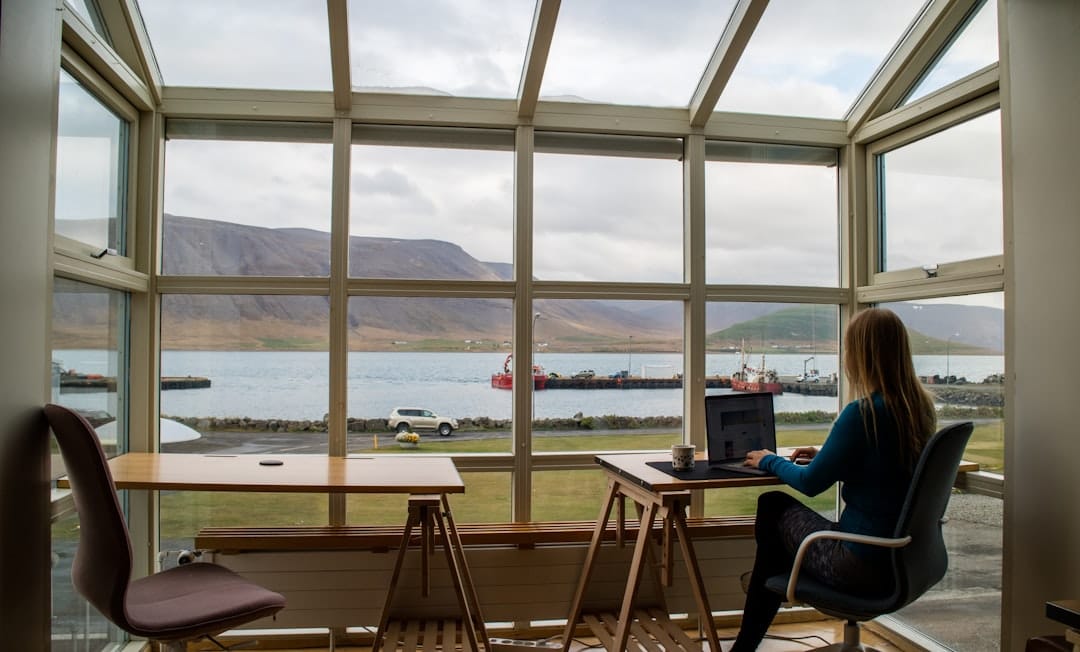
The Philippines finally has a digital nomad visa. It was created by Executive Order No. 86 in April 2025, went through a pilot phase that year, and is now issued through the Department of Foreign Affairs e-visa system. It gives remote workers a legal one-year stay, renewable for a second year, with multiple-entry privileges, and it settles the question that hung over every laptop in every Philippine café for a decade: working remotely for foreign clients is now something you can do here explicitly, on paper, rather than quietly on a tourist visa.
The details below are current as of mid-2026, but this program is young and still settling. Confirm everything with the Philippine embassy or consulate handling your country before paying for police clearances or translations.
The requirements
Age and work: At least 18, working remotely using digital technology for employers or clients based entirely outside the Philippines. Local employment is prohibited and is grounds for revocation.
Income: Proof of sufficient foreign-sourced income. The figure circulating everywhere is $24,000 per year, roughly $2,000 a month, shown through bank statements and contracts, but no official threshold has been published, so treat that number as the planning assumption rather than the rule.
Reciprocity: Your country must offer a similar visa to Filipinos and host a Philippine Foreign Service Post. No official list of qualifying countries exists yet, which makes this the first thing to check, and the check costs nothing: ask your nearest Philippine embassy whether your passport qualifies before preparing a single document.
Insurance: International health insurance valid in the Philippines for the full stay.
Record: Clean criminal record, evidenced by a police clearance from your home country.
Cost, process, and timing
The application runs through the official e-visa portal. Reported fees sit in the $200–300 range depending on where you apply, and processing runs from a few weeks to a few months depending on the post. The sane sequence: confirm reciprocity with your embassy first, then gather bank statements, contracts, insurance policy, and police clearance, then file. Budget two to three months from decision to visa in hand.
Tax is the part every summary oversimplifies. Visa holders are not treated as Philippine tax residents on foreign-sourced income, but your home country’s rules, tax treaties, and how many days you spend where are separate questions, and the only correct advice is a session with a tax professional before you commit, not after.
Dependents: the framework allows for spouses and children, but as of early 2026 the program prioritises individual applicants, so families should ask their embassy directly rather than assume.
The alternative most people still use
The tourist entry route hasn’t gone anywhere: most nationalities get an initial visa-free period and can extend repeatedly at any Bureau of Immigration office, up to 36 months cumulative, picking up an ACR I-Card along the way. It’s more expensive per month than it looks once extension fees stack up, and it never explicitly authorises work the way the nomad visa now does, but it requires no income proof and no reciprocity question. Plenty of long-stayers on Negros still run on it. The BI office in Bacolod handles extensions for the Occidental side, and Dumaguete has its own office for Oriental, so neither side of the island requires a trip to Cebu or Manila for paperwork.
Working from Negros on this visa
The visa answers the legal question. The practical question is where, and Negros is a stronger answer in 2026 than most nomads realise.
Dumaguete is the obvious base: a university town with fiber internet from PLDT, Globe, and Converge in the city and along the Dauin coast, cafés that tolerate laptops, a walkable boulevard, and Sibulan airport ten minutes north with Manila and Cebu connections. The cost of a one-bedroom here undercuts Manila and Cebu comfortably.
Bacolod is the bigger-city option on the Occidental side: more fiber coverage, more coworking-capable cafés, malls, a proper airport at Silay, and direct flights to Manila, Cebu, and beyond.
Silay and the smaller towns work if your tolerance for arranging your own infrastructure is higher: fiber reaches the town centers, and Starlink covers everything else, which has quietly changed what “remote” means on this island.
The honest infrastructure note: brownouts happen, more in summer, more outside the cities. Anyone working to deadlines here runs a UPS or a power station and a phone plan from a second network as backup. That setup is normal, cheap, and the difference between an outage being an anecdote or a crisis.