
Carinderias Explained How to Order Without Stress
Carinderias Explained: How Local Eating Actually Works
If you’ve ever stood at a carinderia unsure what to order, waited longer than expected for food that looked “already cooked,” or felt awkward about the pace of the meal, nothing was going wrong.
Carinderias aren’t restaurants designed for choice or speed. They exist to feed people who already understand how local eating works.
Once you understand that, eating here stops feeling confusing and starts feeling normal.
What a Carinderia Is (and Isn’t)
A carinderia is not a restaurant in the usual sense.
It is:
- a small, everyday eating place
- built around regular customers
- tied closely to the morning market
It is not:
- a menu-driven dining experience
- designed for speed
- structured around table turnover
Most carinderias exist to feed people who already know what they’re going to eat before they arrive.
Why the Food Is Already Cooked — and Still Takes Time
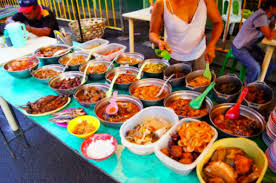
At first glance, food appears ready: pots on the counter, dishes laid out, rice steaming.
But that doesn’t mean service is instant.
Here’s why:
- rice is refilled in cycles, not continuously
- dishes are finished in batches
- portions are adjusted per order
- multiple customers are served evenly
If several people arrive at once, the pace slows for everyone. There is no priority system and no pressure to hurry.
This is normal.
How Ordering Actually Works
Ordering at a carinderia is more observational than transactional.
Most locals:
- look first
- point or name a dish
- accept what’s available
Questions like:
- “What else do you have?”
- “Can you make something different?”
aren’t common — not because they’re rude, but because they don’t fit how food is prepared.
If a dish isn’t there, it isn’t being cooked that day.
Why Menus Change (and Sell Out)
Carinderias don’t plan menus weeks ahead.
They cook:
- what was available at the market
- what regulars expect
- what can be prepared simply
If something sells out:
- it won’t be replaced
- it won’t be substituted
- it won’t be explained
This isn’t poor planning.
It’s a daily adjustment to supply.
The Pace Is Social, Not Efficient
Carinderias are social spaces.
People:
- eat without rushing
- talk while food is prepared
- sit longer than necessary
There’s no incentive to clear tables quickly.
Most customers are neighbours, not passers-by.
This is why eating here feels slower — and calmer — than expected.
When Carinderias Work Best for Visitors
Carinderias are easiest to understand when you:
- arrive earlier rather than later
- don’t schedule tightly around meals
- accept limited choice
- eat what’s popular that day
They work especially well if you’re:
- staying in town centres
- eating regularly rather than occasionally
- adjusting to local rhythms
They’re less satisfying if you expect variety on demand.
What to Do (and Not Do)
Do:
- keep orders simple
- watch what others are eating
- accept pacing differences
Don’t:
- ask for substitutions
- rush the kitchen
- treat “sold out” as a problem
Eating well here is about alignment, not optimisation.
Why Carinderias Matter in the Bigger Picture
Carinderias sit between:
- morning markets
- home cooking
- everyday work schedules
They show how food, time, and routine connect on Negros Island.
Once you understand them, other things make sense too:
- why lunch slows the day
- why staying near markets matters
- why rushing rarely improves meals
They are not a shortcut.
They are the system working as intended.
How This Connects Back to Slow Food
Slow food on Negros Island isn’t about labels or choices.
It’s about accepting how food fits into daily life.
Carinderias make that visible, three meals a day.
If you understand them, eating locally stops feeling confusing — and starts feeling normal.