
Getting Around Negros Island the Slow Way
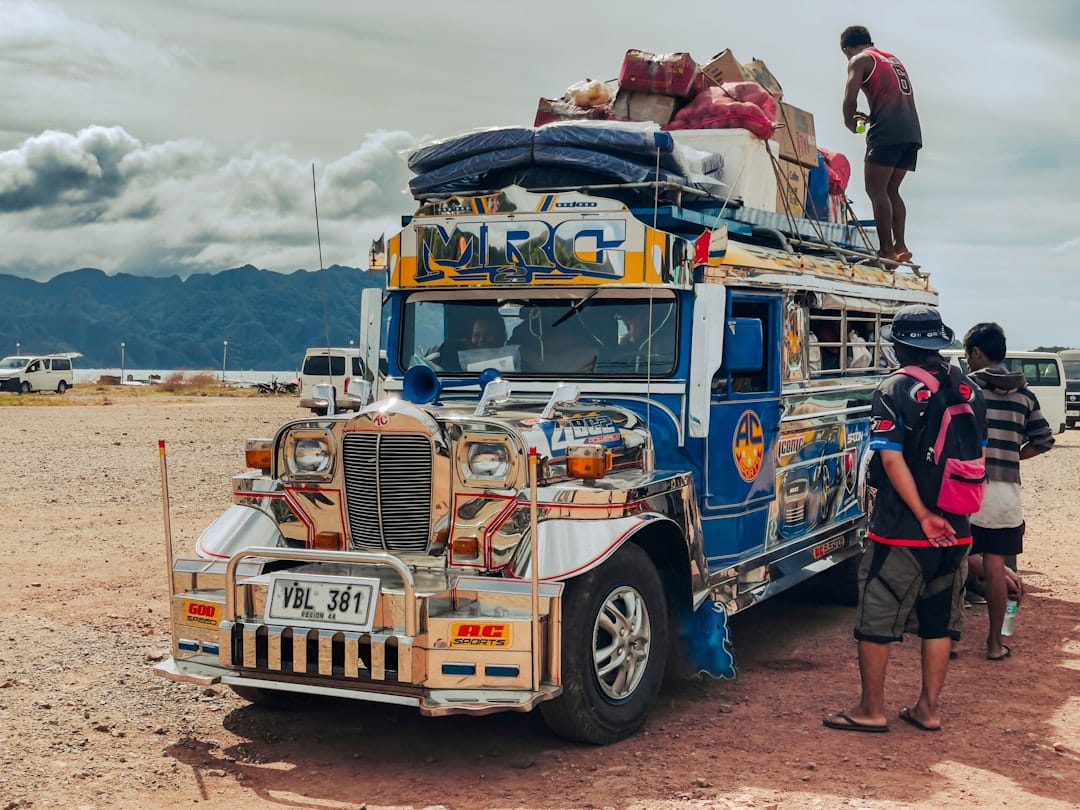
Movement on Negros Island is not organised around speed, efficiency, or shortest routes.
It is organised around availability, timing, and conditions.
Understanding that one difference explains most of the frustration people experience when travelling here — and why journeys often feel longer, less predictable, and slower than expected.
This guide is not about how to get somewhere faster.
It’s about how movement actually works once you are on the island.
What “Getting There” Means on Negros Island
On Negros, travel is not treated as a problem to be solved.
It is treated as a normal part of the day.
Movement happens:
- when transport is available
- when roads are passable
- when weather allows
- when people are ready to move
There is no expectation that travel should be smooth, fast, or uninterrupted.
This is why trying to apply travel logic from elsewhere often leads to confusion. The system was never designed for optimisation — it was designed to function under variable conditions.
Why Journeys Take Longer Than the Map Suggests
Distances on Negros look short on a map. In practice, time expands.
Journeys take longer because:
- roads pass through towns, not around them
- traffic slows for markets, schools, and events
- vehicles stop frequently to load and unload
- weather changes conditions quickly
A trip between Bacolod and San Carlos, or Dumaguete and Bais, may appear straightforward. In reality, time depends less on distance and more on what the day is doing.
Travel here adapts to life — not the other way around.
Transport Runs on Availability, Not Schedules
While timetables exist, they are guides rather than guarantees.
Most transport options operate when:
- enough passengers are present
- vehicles are ready
- conditions allow departure
Buses, vans, jeepneys, and boats often wait until they are full or conditions are right. This waiting is not seen as delay — it is part of the process.
Expecting fixed departure times leads to frustration. Understanding variability removes it.
Roads, Routes, and Reality
Negros has a mix of:
- coastal highways
- mountain roads
- urban streets
- rural access roads
Conditions vary widely.
Mountain routes near Valencia or Canlaon are affected by rain and visibility. Coastal roads may slow due to fishing activity or local traffic. Town centres naturally interrupt flow.
Road quality is not uniform, and neither is pace.
Movement adjusts continuously.
Why Transfers and Stops Are Normal
Travel on Negros is rarely direct.
Journeys often include:
- multiple stops
- changes in vehicle
- pauses for fuel or loading
- waiting for connections
This is especially true when moving between towns or provinces, such as crossing from Negros Occidental to Negros Oriental, or connecting to ferries bound for Cebu, Iloilo, or Siquijor.
Transfers are expected. Seamless movement is not.
Weather Changes Everything
Weather plays an active role in transport.
Heavy rain can:
- slow mountain roads
- delay ferries
- reduce visibility
- extend travel time significantly
During certain seasons, what looks like a simple journey can stretch unexpectedly. This is not considered disruption — it is simply part of operating in a place shaped by weather.
Plans adjust. Movement follows.
Town Centres vs Through-Routes
Movement behaves differently depending on where you are.
Town centres
In places like central Bacolod or Dumaguete, travel slows because:
- people are walking
- vehicles stop frequently
- daily life takes priority
Edge routes
Highways outside town move more steadily, but still adjust for:
- roadside activity
- loading zones
- local traffic patterns
Good travel days are not guaranteed by route choice alone.
Why Waiting Is Built Into the System
Waiting is not treated as lost time.
People expect to:
- wait for transport
- wait during transfers
- wait for conditions to change
This is why facilities near terminals and ports are designed for sitting, eating, and resting rather than rushing.
Trying to eliminate waiting creates stress. Accepting it makes movement easier.
What “Good Timing” Actually Means
On Negros, good timing does not mean early or fast.
It means:
- travelling when transport is active
- avoiding peak local activity if possible
- allowing extra time without filling it
Mornings often move more smoothly than afternoons. Evenings slow naturally. Night travel exists, but it follows its own rhythm and constraints.
Timing is about alignment, not control.
How Movement Shapes Daily Plans
Because travel is variable, days are rarely built around tight schedules.
People tend to:
- plan fewer movements per day
- allow space between commitments
- accept that some trips won’t happen
This isn’t inefficiency. It’s adaptation.
When plans flex, travel feels manageable rather than exhausting.
Moving Without Trying to Optimise
There is no need to turn transport into a strategy.
Simple habits work best:
What to accept:
- delays
- changes
- imperfect connections
What to avoid:
- stacking too many movements
- expecting exact arrival times
- treating delays as failures
Movement here responds to conditions, not expectations.
Related Guides
- Getting to Negros Island Without Turning It Into a Stress Mission
- Bus vs Van vs Jeepney: Choosing Based on Time Not Speed
- The Transfer Day Reality: Why Same Day Connections Go Wrong
- When Renting a Scooter Makes Sense (And When It Doesn’t)
- Common Transport Mistakes That Ruin Slow Trips
- Negros Island documents how daily systems actually work here.
Final Note
Getting around Negros Island is not about mastering the system.
It’s about recognising that the system already knows how to operate under its own conditions.
Once you stop trying to make travel efficient, movement becomes predictable in a different way — slower, yes, but far less stressful.
Not because it’s optimised,
but because it’s working as intended.