
Daily Life in Negros What Visitors Slowly Notice
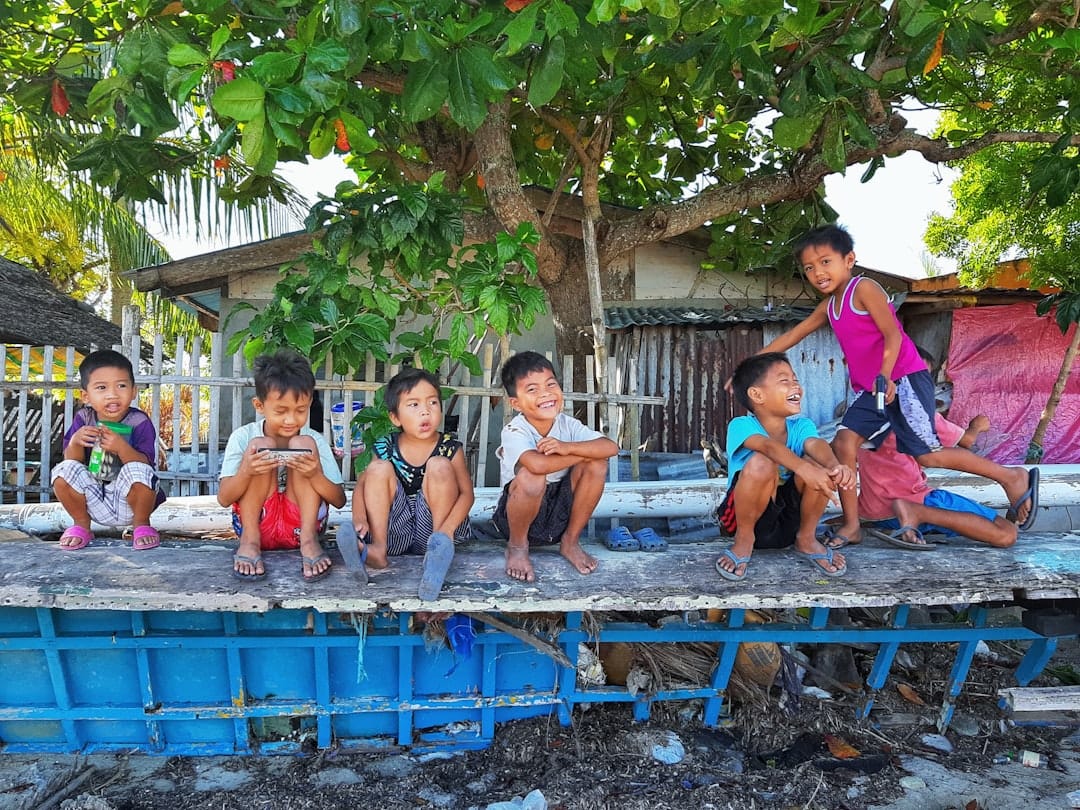
Daily life on Negros Island is not organised around efficiency, clarity, or forward planning.
It is organised around timing, relationships, and adaptation.
Understanding that one difference explains why days can feel confusing at first — and why, over time, they start to feel calmer, more predictable, and less demanding.
This guide is not about how to live here.
It’s about how life actually unfolds.
What “Daily Life” Means on Negros Island
On Negros, daily life isn’t something people talk about or analyse.
It’s simply what happens, repeatedly.
Days are shaped by:
- when people wake
- who is around
- what is available
- what interrupts the plan
There is no strong expectation that days will follow a fixed structure. Routines exist, but they are flexible. Plans are made, but they are easily adjusted.
Trying to impose rigid schedules on this rhythm usually creates frustration. Letting days take shape as they go removes most of it.
Mornings Start Earlier Than Expected
One of the first things visitors notice is that mornings matter more than evenings.
Across towns like Silay, San Carlos, Bacolod, and Dumaguete, mornings are when:
- markets are active
- errands are done
- food is prepared
- conversations happen
By late morning, much of the day’s essential activity is already finished. Afternoons are slower, quieter, and often reserved for rest or informal tasks.
This isn’t laziness or inefficiency.
It’s simply where energy is placed.
Waiting Is Built In
Waiting is not treated as a problem to be solved.
People wait for:
- transport
- food
- weather
- other people
Waiting is rarely explained or apologised for. It’s assumed.
Visitors often notice that no one appears anxious about delays. Time stretches and compresses naturally depending on the situation. What matters is not speed, but whether things eventually happen.
They usually do.
Relationships Shape the Day More Than Tasks
Daily life on Negros is not task-driven.
It’s relationship-driven.
Plans are affected by:
- family obligations
- neighbours stopping by
- shared responsibilities
- unexpected needs
This is why days often feel porous. Tasks pause. Conversations extend. Schedules shift.
Nothing is cancelled formally. It simply changes shape.
Visibility Without Involvement
Another slow realisation is that being visible does not mean being involved.
Visitors are seen, acknowledged, and treated politely. But daily life does not reorganise itself around them.
People continue:
- their routines
- their conversations
- their obligations
There is friendliness, but not constant engagement. Distance exists alongside warmth, and that balance remains steady.
Social Time Is Not Scheduled
Social interaction happens when it fits, not when it’s planned.
You’ll notice:
- people talking in short bursts
- conversations ending without closure
- visits that start and stop casually
There is little emphasis on “making time” for socialising. Interaction happens alongside other things, not as a separate event.
This can feel fragmented at first. Over time, it starts to feel natural.
Afternoons Slow Without Announcement
By early afternoon, many towns quiet down.
Shops remain open, but movement decreases. Streets thin out. Activity becomes more dispersed.
This slowdown is not marked or explained. It simply happens.
Visitors who expect afternoons to be productive often feel resistance from the day itself. Those who stop pushing usually find the pace easier to live with.
Evenings Are Smaller Than Expected
Evenings are not the centre of daily life in most places on Negros.
People tend to:
- eat earlier
- stay close to home
- keep evenings simple
Night activity exists, but it’s not dominant. After dark, daily life contracts rather than expands.
This is one of the clearest signals that days here are structured differently.
Adaptation Happens Quietly
One of the most noticeable patterns is how often people adapt without comment.
When something doesn’t work:
- another option is used
- plans are shortened
- the day is adjusted
There is little discussion about inconvenience. Adaptation is assumed to be part of living here.
Visitors often notice this only after realising they’ve started doing the same thing.
How These Patterns Become Familiar
None of these rhythms are obvious at first.
They become visible through repetition:
- seeing the same people
- noticing the same quiet hours
- recognising when nothing urgent happens
Daily life starts to feel less unpredictable — not because it becomes controlled, but because its patterns repeat.
Related Guides
- Connecting With Local Life in Negros Island
- Small Gestures That Build Real Connections
- Slow Food in Negros Island: Eating Local Without Rushing
Final Note
Daily life on Negros Island isn’t something you master or figure out.
It’s something you gradually stop resisting.
Once you do, days feel less confusing — not because they change, but because you no longer expect them to behave differently.