
Festivals in Negros What Visitors Rarely Plan For
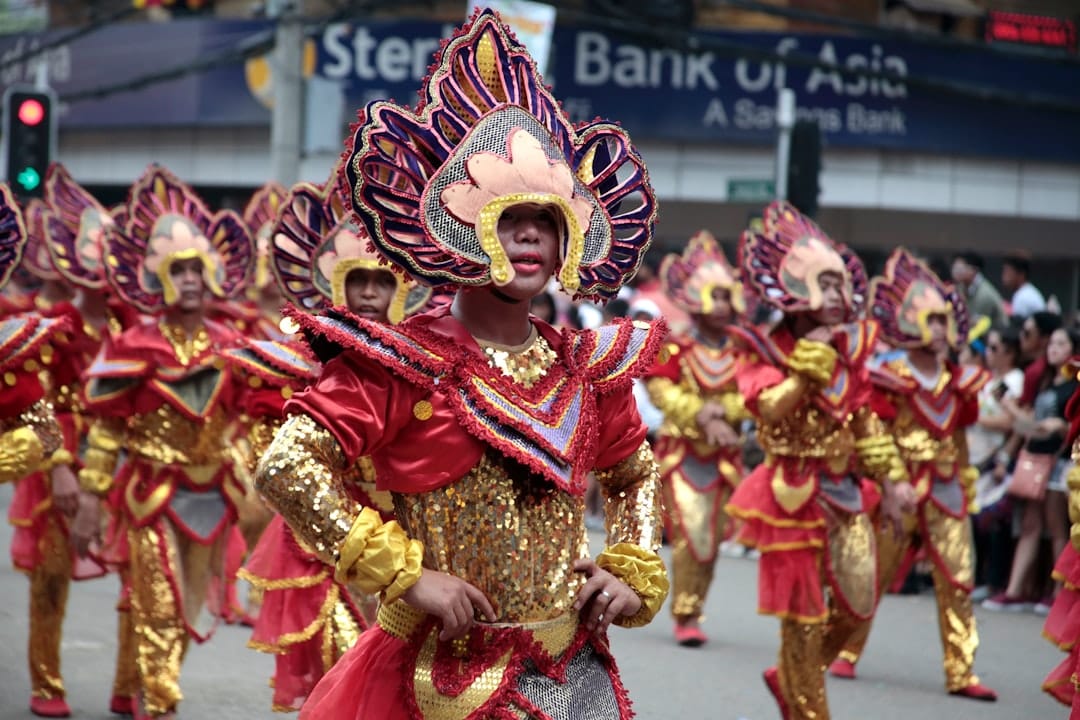
Festivals on Negros Island are not organised around schedules, convenience, or visitor flow.
They are organised around community timing, obligation, and shared disruption.
Understanding that difference explains why festivals here often feel joyful and chaotic at the same time — and why people who only plan for parades or highlights often miss what actually changes.
This guide is not about which festivals to attend.
It’s about how festivals affect daily life.
What Festivals Mean on Negros Island
On Negros, festivals are not treated as special occasions separate from normal life.
They are moments when normal life bends.
A festival usually means:
- altered routines
- shared participation
- temporary inconvenience
- social obligation
People do not “fit festivals in.”
Daily life rearranges itself around them.
This is why festivals are felt most strongly by people who are already living their usual routines — shopping, commuting, working, visiting family — not by those passing through briefly.
Why Timing Matters More Than the Event
Festival dates are known, but their effects are not confined to a single day.
In towns like Bacolod, Silay, Dumaguete, or Bais, festival periods often involve:
- early road closures
- unpredictable transport
- shifting market hours
- extended evenings
- delayed errands
Preparation starts days before. Recovery takes days after.
The “main event” is often just one visible moment inside a longer period of adjustment.
Disruption Is Part of Participation
One of the most common surprises for visitors is how little effort is made to minimise disruption.
During festivals:
- traffic is slowed or redirected
- noise extends late into the night
- shops open irregularly
- public spaces are repurposed
This is not poor planning.
It’s acceptance.
Disruption is understood as temporary and shared. Complaints are rare because inconvenience is part of the social contract.
Why Attendance Is Only One Part of the Experience
Many people assume that attending a festival means watching a parade, concert, or performance.
For locals, participation looks different:
- helping prepare food
- hosting visiting relatives
- adjusting work schedules
- attending community events that are not publicised
Much of the festival happens away from the main route.
People who only attend the visible parts often feel entertained. People who live nearby feel occupied.
Markets, Food, and Festival Days
Food systems are affected immediately.
During festival periods:
- markets may close earlier or later
- certain ingredients sell out faster
- cooked food appears in temporary setups
- normal meal timing shifts
In places like Bacolod during MassKara or smaller town fiestas elsewhere on the island, food becomes more communal and less predictable.
Meals are organised around availability and gathering, not routine.
This change is temporary — but noticeable.
Noise, Space, and Tolerance
Festivals stretch the usual limits of noise and space.
Music carries further. Streets fill more easily. Quiet hours soften.
This is tolerated because it is understood to be finite.
People adjust sleep, movement, and expectations rather than demanding control. Normal rules return once the festival passes.
Understanding this makes the experience easier to accept.
Why Plans Often Fail During Festivals
Visitors who plan tightly during festival periods often encounter frustration.
Common issues include:
- transport not running as expected
- routes changing without notice
- services operating irregularly
- schedules becoming suggestions
This isn’t a failure of organisation.
It’s a reflection of priority.
Festivals prioritise participation over efficiency. Planning gives way to presence.
The Social Layer Visitors Rarely See
Festivals reinforce social ties.
They are moments when:
- extended families gather
- obligations are renewed
- relationships are maintained
- status and roles are reaffirmed
This layer is not visible from the roadside.
It happens in homes, barangay halls, churches, and informal gatherings — places not designed for observers.
Visitors may feel welcome, but they are not central to this process.
Why Festivals Feel Different in Smaller Towns
In smaller towns across Negros, festivals affect life more deeply than in larger centres.
Because:
- fewer alternative routes exist
- more people are involved directly
- social circles overlap more closely
In these places, festivals feel less like events and more like temporary reorganisation of the town itself.
Daily routines pause rather than compete.
Adapting Without Trying to Participate
There is no expectation that visitors must take part fully.
Adapting usually means:
- allowing extra time
- accepting noise and crowds
- adjusting expectations
- observing rather than engaging
Trying to “do everything” during a festival period often leads to fatigue. Letting days unfold as they do usually feels easier.
What Festivals Reveal About Daily Life
Festivals highlight things that are always present but less visible:
- flexibility
- collective tolerance
- social priority over efficiency
- comfort with disruption
They show how daily life on Negros absorbs change without needing explanation.
Once the festival ends, routines return — quietly and without commentary.
Related Guides
Final Note
Festivals on Negros Island are not something daily life pauses for.
They are moments when daily life reveals how adaptable it already is.
If plans feel disrupted, that’s not a problem to solve.
It’s simply how the island moves — together — for a while.
When the music fades and streets reopen, routines return as if nothing needed explaining.