
Why Markets Are Better Than Museums for Understanding Life
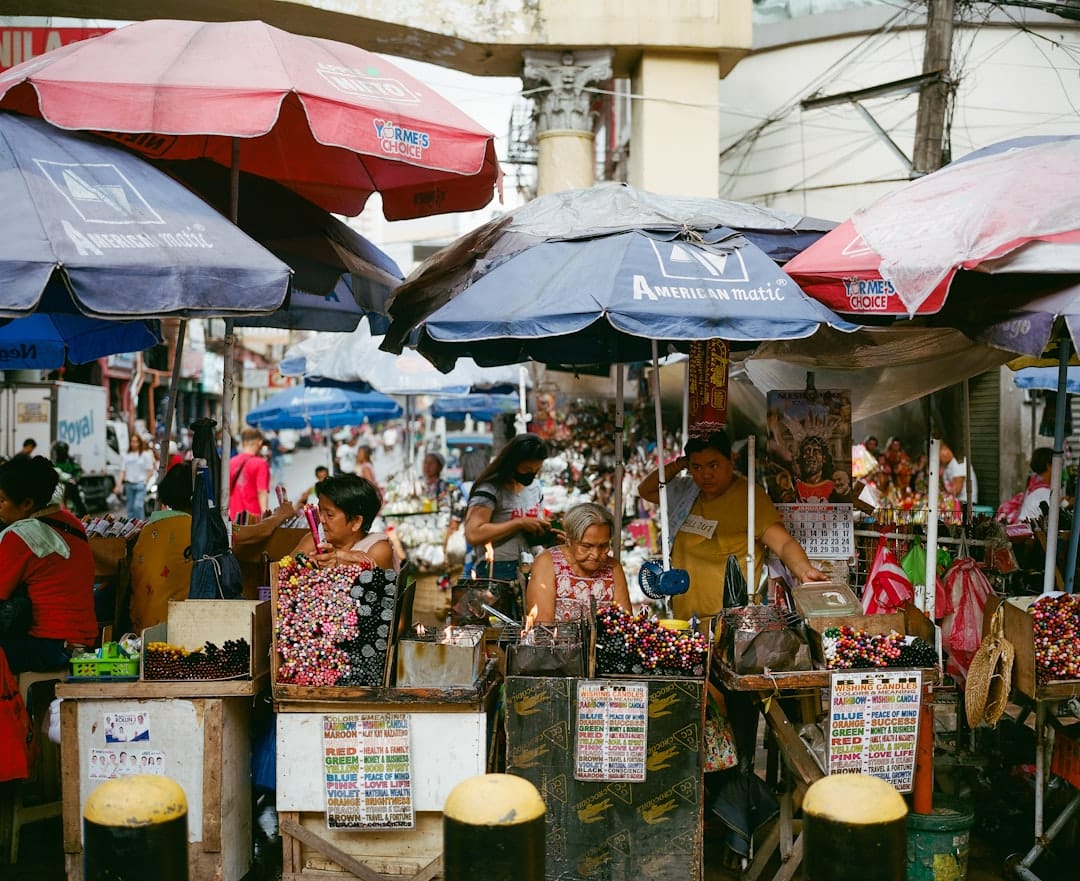
Daily life on Negros Island does not present itself in curated spaces.
It moves through mornings, errands, weather, and habit.
If you want to understand how life actually unfolds here — timing, relationships, expectations — markets explain more than museums ever could.
This isn’t an argument against museums.
It’s an explanation of where daily life reveals itself most clearly.
What Museums Are Designed to Do
Museums on Negros exist to preserve and present selected parts of history and culture. They organise information, slow it down, and make it readable.
They are designed around:
- objects and stories that have already settled
- explanations that don’t change day to day
- quiet observation
- finished narratives
That makes them useful for context.
It does not make them useful for understanding how people live now.
Life on Negros is not static, labelled, or complete. It’s ongoing.
What Markets Are Designed to Do
Markets are not designed to teach anyone anything.
They exist to meet daily needs.
Because of that, they show:
- who is awake early
- who depends on whom
- what is available today (not in theory)
- how people move, wait, negotiate, and adapt
Nothing is curated. Nothing is explained.
If you spend time in a public market in Bacolod, Dumaguete, Silay, or San Carlos, you’re seeing life as it functions, not as it’s summarised.
Timing Is the First Lesson
Museums keep regular hours.
Markets follow the day.
Most public markets on Negros are busiest early:
- fish arrives before sunrise
- vegetables come in while it’s still cool
- households shop before other responsibilities begin
By mid-morning, energy shifts. By early afternoon, many stalls are already packing up.
This teaches something fundamental: life here is front-loaded.
Important things happen early. Afternoons are for maintenance, not discovery.
That rhythm doesn’t appear in exhibitions. It appears in practice.
Relationships Are Visible, Not Explained
In markets, relationships are not displayed — they’re enacted.
You see:
- vendors recognising regular customers without conversation
- buyers accepting substitutions without complaint
- informal credit extended quietly
- children sent on errands with confidence
None of this is labelled as “community” or “culture.”
It simply happens.
Understanding comes from watching repetition, not reading interpretation.
Markets Show What Matters Today
Museums tell you what mattered enough to keep.
Markets show you what matters right now.
What’s abundant.
What’s missing.
What’s expensive today.
What people are willing to wait for — and what they skip.
After heavy rain, certain vegetables disappear. After rough seas, fish choices narrow. During fiestas, demand shifts.
These changes are not disruptions. They are normal adjustments.
Markets reveal how people live with variability rather than resisting it.
No One Is Performing for You
One of the quiet advantages of markets is that no one is there to be observed.
People are busy:
- selling
- buying
- transporting
- coordinating
There is no expectation of attention, interest, or appreciation from outsiders.
Because of that, behaviour is unfiltered.
You see patience and impatience. Cooperation and tension. Efficiency and delay. All at once.
This lack of performance is what makes markets honest.
Movement Makes Sense in Markets
Markets also explain how people move through towns.
Paths form naturally:
- from transport stops
- between food stalls and dry goods
- from vendors to storage areas
In places like central Dumaguete or older parts of Bacolod, market activity spills into surrounding streets. Tricycles queue. Foot traffic slows. Side conversations happen without stopping the flow.
From this, you learn how space is actually used — not how it was planned.
Museums Explain After the Fact
Museums are reflective spaces. They look backward.
They help answer questions once you already know what to ask.
Markets work the other way around. They raise questions you didn’t think to form:
- Why is everyone here early?
- Why does no one seem rushed?
- Why are choices accepted without discussion?
- Why do certain people wait longer without frustration?
Those questions lead to understanding daily life more effectively than captions ever could.
Observation Without Interpretation
Markets don’t offer conclusions.
They don’t tell you what is right or wrong, efficient or inefficient. They simply show what is happening and allow you to adjust your expectations accordingly.
This matters on Negros, where:
- adaptation is routine
- explanation is minimal
- patience is assumed
Understanding comes from alignment, not instruction.
Why This Matters for Daily Life
People who spend time in markets often find other parts of life easier to read:
- transport delays feel less surprising
- food availability feels predictable
- routines make sense
- waiting feels normal
Markets quietly train you to notice rhythm instead of expecting control.
That skill carries into everything else.
Related Guides
- Connecting With Local Life in Negros Island
- Daily Life in Negros: What Visitors Slowly Notice
- Morning Markets in Negros: What Locals Buy Before 9am
Final Note
Museums explain what a place has been.
Markets show what a place is — today.
On Negros Island, life doesn’t announce itself or slow down to be understood. It continues at its own pace.
If you want to understand it, watching where people gather for daily needs will teach you more than any exhibit ever could.