
Getting Cash SIM and Basics Sorted Without Burning a Day
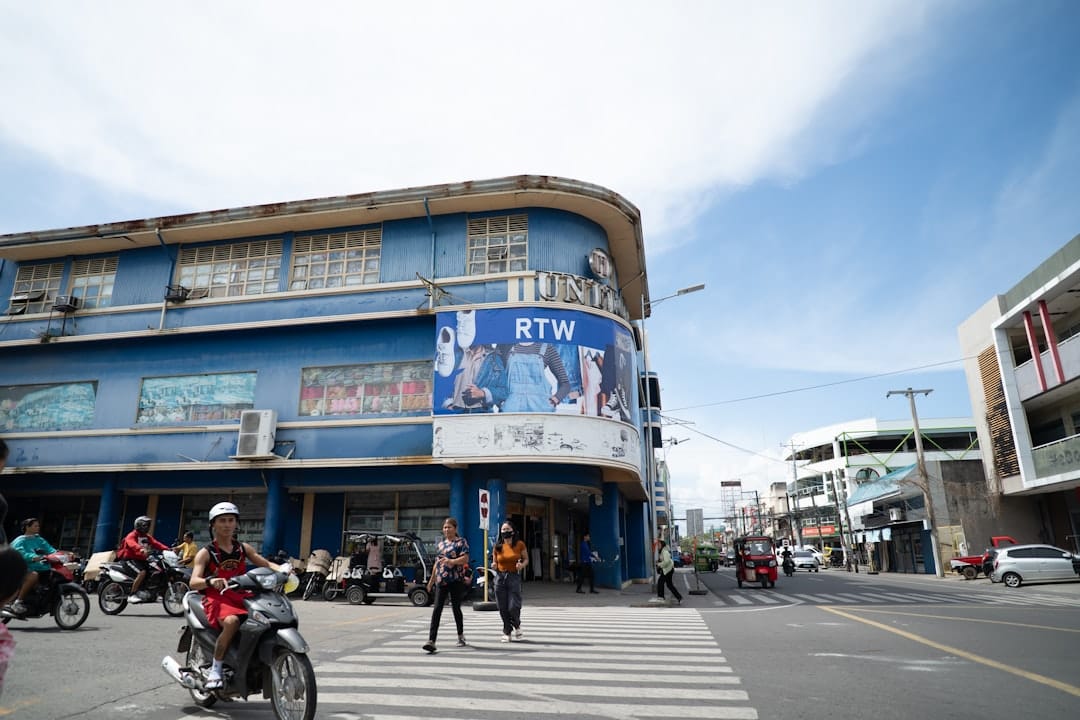
Getting set up on Negros Island is not organised around efficiency, speed, or bundling tasks.
It is organised around availability, office hours, queues, and timing.
Understanding that difference removes most of the frustration people experience in their first few days — and explains why simple errands often take longer than expected, even when everything goes smoothly.
This guide is not about hacks or shortcuts.
It’s about how these basics actually get done.
What “Getting Set Up” Means on Negros Island
On Negros, basic setup is not treated as a single task to complete.
It’s treated as a series of small processes that happen when conditions line up.
Getting cash, a SIM card, and daily essentials usually depends on:
- when banks are open
- where service desks are located
- how many people are already waiting
- whether systems are online
There is no assumption that these things should be done quickly, or in one place.
They fit into the day — not the other way around.
Why Cash Still Comes First
Cash remains central to daily life across much of Negros.
Even in cities like Bacolod and Dumaguete, card payment is uneven. Markets, transport, small shops, and food stalls still rely on cash as the default.
ATMs exist, but access varies:
- machines can run out of cash
- networks can go offline
- queues form around paydays and weekends
Getting cash is usually easy — but not always immediate.
That unpredictability is normal, not exceptional.
Banks, ATMs, and Timing
Banks operate on limited hours, typically weekday mornings to mid-afternoon. ATMs operate longer, but reliability varies by location.
In town centres:
- multiple banks cluster together
- queues are common around lunch breaks
In smaller towns:
- fewer machines
- longer waits when something goes down
People who expect to “just grab cash quickly” often end up waiting longer than planned. Those who treat it as part of the day usually move on calmly once it’s done.
SIM Cards and Service Counters
SIM cards are widely available, but setup still follows local rhythm.
In places like Bacolod, Dumaguete, or larger malls:
- telco counters operate during mall hours
- queues depend on staff availability
- registration takes time
In smaller towns:
- SIMs may be sold through small shops
- registration may be slower or deferred
- information varies by location
There is no single, standardised experience.
SIM setup happens when staff, systems, and documentation align — not when you decide it should be finished.
Why These Tasks Don’t Combine Well
Many people try to stack errands:
- cash
- SIM
- supplies
- transport
On Negros, this often backfires.
Each task depends on:
- different hours
- different locations
- different queues
Trying to compress them into a single tight window increases frustration when one delay affects everything else.
The system isn’t inefficient — it’s distributed.
Malls vs Town Centres
Large malls in Bacolod or Dumaguete concentrate services, but they also concentrate demand.
Malls offer:
- banks
- telco counters
- shops
They also bring:
- queues
- waiting
- fixed hours
Town centres spread services out. This can mean more walking, but often less congestion.
Neither option is better. They simply work differently.
Smaller Towns, Slower Processes
In places outside major cities — smaller towns or barangay centres — setup happens more slowly, but often more flexibly.
You may find:
- fewer service points
- shorter queues
- longer processing times
What you lose in speed, you often gain in patience.
Expectations matter more than location.
Why Delays Are Normal
Delays usually come from:
- system downtime
- staff shortages
- power interruptions
- network issues
These aren’t treated as emergencies. Work resumes when conditions allow.
Pushing for explanations rarely changes outcomes. Waiting usually does.
This is not neglect. It’s how systems function under variable conditions.
How Locals Approach These Tasks
Locals rarely plan to complete everything at once.
They:
- spread errands across days
- go early when possible
- accept partial completion
- return later if needed
This removes pressure from the process.
Basics get sorted — just not always immediately.
Planning Without Optimising
There’s no need to turn setup into a project.
What helps:
- allowing extra time
- not stacking errands tightly
- accepting pauses
What doesn’t help:
- rushing counters
- comparing service speed
- treating delays as problems
Once you stop measuring progress in hours, these tasks feel lighter.
How This Shapes Movement Around the Island
Getting cash or a SIM often determines:
- when you move on
- how far you travel
- where you spend time
That’s why these tasks belong in the Getting There category. They shape how you move through Negros more than maps or distances.
Movement follows readiness, not schedules.
Related Guides
Final Note
Getting cash, a SIM, and daily basics sorted on Negros Island isn’t something you rush through.
It’s something you allow to happen.
Once you stop trying to finish everything in a day, these tasks stop feeling like obstacles and start feeling like part of arriving — exactly as they are meant to be.