
First Night Mistakes People Make (And How to Avoid Them)
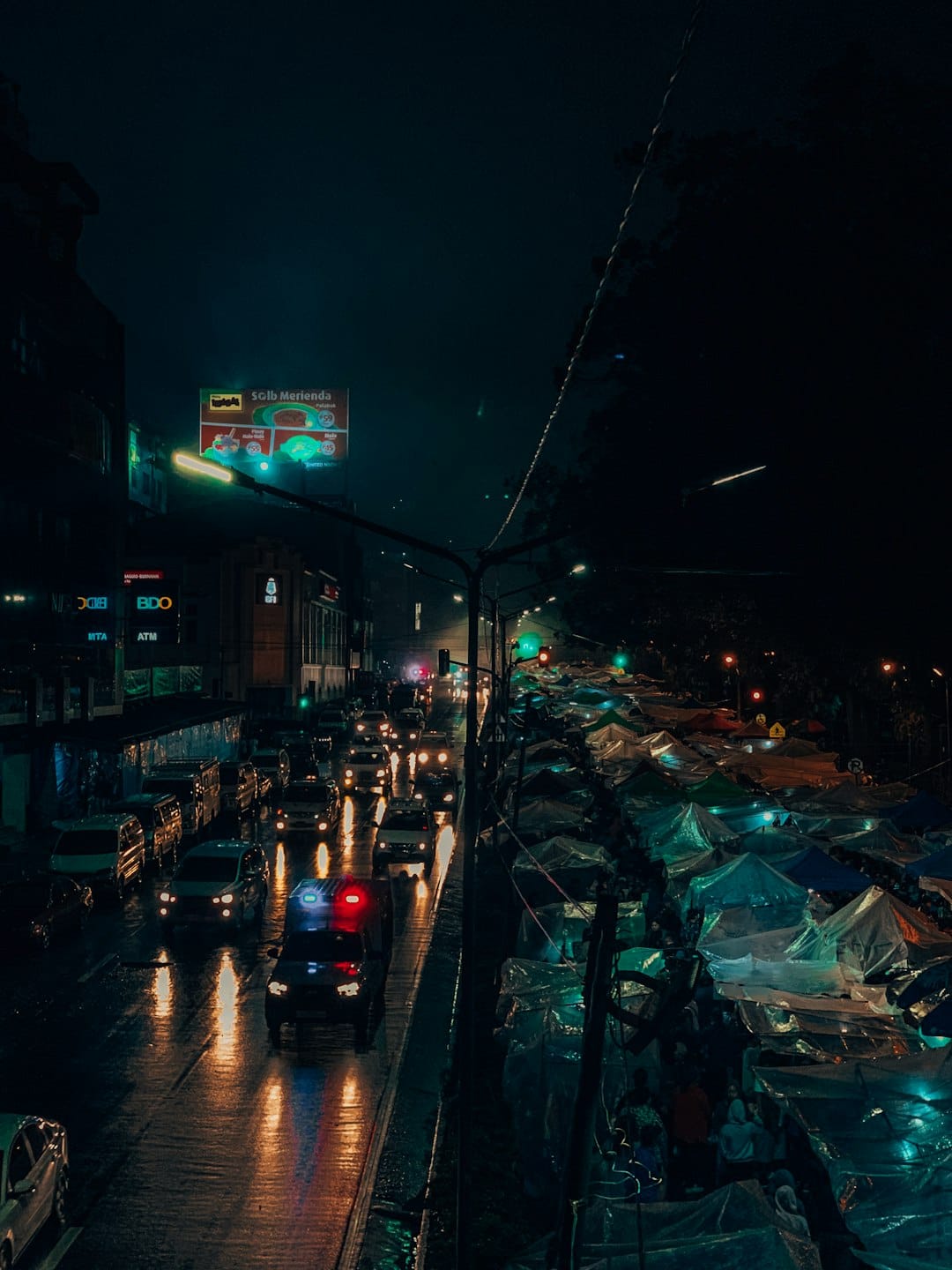
Getting around Negros Island is not organised around speed, certainty, or smooth handovers.
It is organised around arrival windows, daylight, availability, and interruption.
Understanding that one difference explains why first nights often feel harder than the days that follow — and why many early frustrations have nothing to do with planning or preparation.
This guide is not about arriving efficiently.
It’s about how arrival actually works, and why the first night is a poor moment to expect clarity.
What a “First Night” Really Is on Negros
On Negros, a first night is rarely a clean transition.
It’s a pause between systems.
Arrivals often involve:
- late ferries or flights
- traffic that slows unexpectedly
- weather that changes plans
- towns that quiet down early
The first night isn’t designed for orientation. It’s designed for stopping.
Treating it as an extension of travel — rather than a reset — is where most problems begin.
Expecting Continuity After Arrival
Many people arrive expecting the day to continue seamlessly:
transport → check-in → food → errands → rest.
On Negros, those steps often break apart.
- Transport finishes later than expected
- Food options narrow quickly after dark
- Shops close earlier than arrival times suggest
- Information becomes harder to get
Nothing is wrong. The day has simply ended.
The first mistake is assuming arrival happens inside daily flow rather than after it.
Nightfall Changes How Movement Works
Movement on Negros is strongly shaped by daylight.
After dark:
- public transport thins
- routes become less predictable
- waiting times increase
- distances feel longer
This is noticeable in places like Bacolod, Dumaguete, Silay, or San Carlos, where daytime movement is steady but evenings slow quickly.
Arriving late doesn’t mean you arrived “wrong.”
It means you arrived outside peak overlap.
Food After Arrival: Availability Shrinks Fast
One of the most common first-night mistakes is expecting food to work the same way it did earlier in the day.
Local food systems operate on timing.
By evening:
- carinderias have sold out
- markets are closed
- kitchens are cleaned
- staff have gone home
What remains is limited, simple, and often concentrated near town centres.
This isn’t inconvenience. It’s completion.
Trying to “find options” late at night often creates stress because the system has already moved on.
The Illusion of “Just One More Stop”
First nights are when people try to add one more task:
- withdraw cash
- buy supplies
- arrange transport
- ask questions
This usually backfires.
After arrival:
- information is partial
- people are tired
- systems are winding down
On Negros, the first night is not when things resolve.
It’s when they pause.
Understanding that removes pressure.
Why First Nights Feel Unwelcoming (But Aren’t)
Some people interpret first-night friction as unfriendliness or disorganisation.
In reality:
- people are busy finishing their day
- services are not oriented toward late arrivals
- help exists, but not immediately
Local life does not reorganise around new arrivals after dark.
It continues toward rest.
Once the next morning begins, the same places often feel calm and functional.
Morning Is the Real Beginning
Most clarity on Negros appears in the morning.
By early hours:
- markets reopen
- transport normalises
- information circulates
- routines resume
What felt confusing the night before often resolves without effort.
The mistake is expecting solutions before the day has restarted.
How to Think About the First Night Instead
The first night works best when treated as non-productive.
Not as something to fix — but something to pass through.
It’s a buffer between:
- travel and place
- movement and routine
- expectation and reality
When nothing important is attempted, nothing important goes wrong.
Where First Nights Are Easiest
First nights tend to feel calmer in places where:
- town centres are compact
- food and transport overlap naturally
- routines are visible
This is often true in central areas of Bacolod and Dumaguete, or established town cores elsewhere.
In edge areas or smaller towns, evenings quiet faster — which isn’t a flaw, just a condition.
What Actually Helps (Without Optimising)
No strategies are required.
What helps is alignment:
- accepting limited choice
- stopping movement earlier
- deferring decisions
- resting without resolution
The goal is not to “do it right.”
It’s to let the first night be unfinished.
Why This Matters for Getting There
Arrival is not just about transport.
It’s about entry into daily timing.
First-night mistakes happen when people assume arrival equals access.
On Negros, access follows routine — and routine begins in daylight.
Once that’s understood, arrival stops feeling like a test and starts feeling like a transition.
Related Guides
Final Note
The first night on Negros Island is rarely smooth, complete, or satisfying.
That’s not a failure — it’s a boundary.
Once you stop expecting the first night to explain the place,
the place begins explaining itself the next day.
Quietly.