
Guihulngan City: A Friendly Travel & Living Guide to Negros Oriental
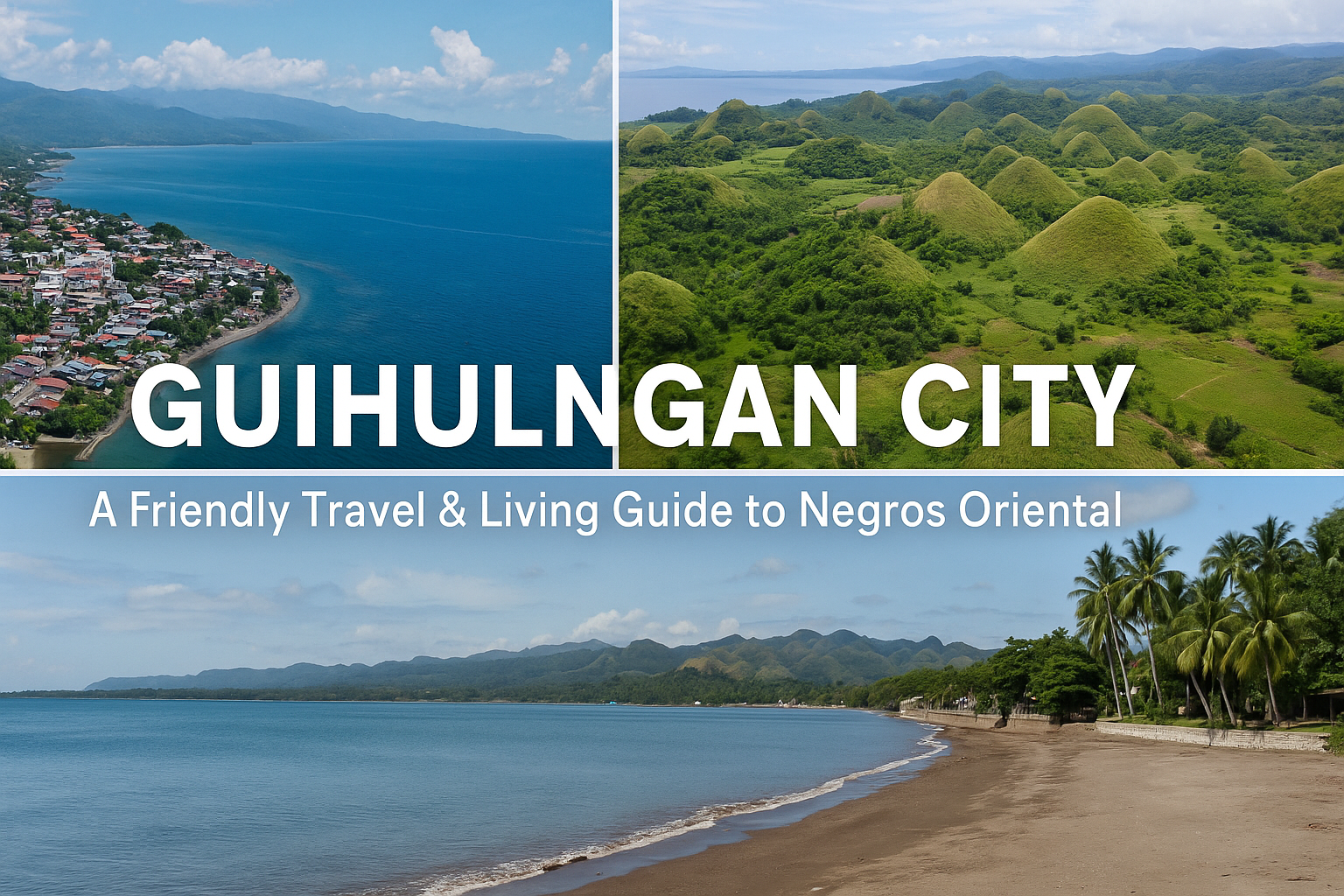
If you’re looking for a quiet coastal base on Negros Oriental—somewhere local, simple, and close to nature—Guihulngan City is that place people tell their friends about after the trip. It’s the kind of city where mornings begin with a seawall walk, lunch is whatever looks good at the market, and afternoons slip away at a river pool or on a ridge with a view. There’s no big-city rush here. Guihulngan City moves at a human pace, and that’s exactly why travelers and long-stayers end up staying longer than planned.
Where in Negros Oriental is Guihulngan City?
Guihulngan City sits along the Tañon Strait on the north-eastern coast of Negros Oriental, roughly halfway between the regional hubs. That location makes it a natural jumping-off point: north to La Libertad and Vallehermoso for coves and beaches, south toward Bais and Tanjay for markets and dolphin-watching day trips, or inland toward the Canlaon highlands for cool air and vegetable farms. It’s close to a lot without feeling crowded by any of it.
What the vibe feels like
Think small-city everyday life with mountain backroads just minutes away. Fisherfolk unload their catch at sunrise, students fill the tricycles after lunch, and in the evenings families stroll the plaza for snacks. You’ll hear roosters, see drying nets, and get used to waving back at people who wave first. That friendliness is real; it’s part of why Guihulngan City is so easy to enjoy.
Getting to Guihulngan City (without headaches)
From Dumaguete City, buses and vans run the scenic east-coast highway through Tanjay and Bais and continue north to Guihulngan. From Bacolod City, head to San Carlos, then take the coastal road south. Coming from Cebu? Many visitors fast craft to San Carlos and hop on a bus down the coast. Schedules flex with weather and roadworks, so keep a little time buffer—especially if you travel during rainy months when waterfalls are strongest but roads can be slower.
First morning in town
The best way to meet a place is to walk it. In Guihulngan City, start on the seawall just after dawn. Watch fishing boats glide in, then wander to the public market where breakfast almost eats you: hot pandesal, silog plates, batchoy, or a quick kinilaw if the catch is fresh. Prices are friendly. Smiles are free.
The nature around Guihulngan City
What surprises most visitors is how quickly you can go from the coast to the hills. A short ride inland and the scenery flips: rolling ridges, pockets of farms, and little trails that lead to overlooks. On clear days, the light at golden hour is a gift—especially if you brought a camera or a drone.
Water is everywhere here, too. Barangay roads end at rivers with wide, calm pools; other paths thread their way to waterfalls hidden behind bamboo and coconut. Many trails cross private land, so it’s respectful (and practical) to ask locals for the best route or hire a guide. They’ll often throw in a story about growing up nearby that you won’t find on any map.
Where to stay (and how to pick)
You’ll find three general setups around Guihulngan City:
- Poblacion stays put you within walking distance of banks, eateries, and the market. If you like evenings on the plaza and easy tricycle rides, this is your base.
- Coastal inns or simple beach places a few minutes out of town give you quiet mornings and sunset views. Rooms are straightforward—think fresh air, sunsets, and sand on your slippers.
- Homestays and farm stays up in the barangays offer garden breakfasts and cool nights. Before you book a month, test your mobile network—upland signals can be patchy.
If you’re staying longer, scout in person for a day or two. You’ll get a truer feel for noise, neighbors, and how far “five minutes” really is.
Eating in Guihulngan City
Food here is Filipino comfort with a coastal lean: grilled skewers (sugba), daily soups like tinola and batchoy, kinilaw when the fish is bright, and snacks you didn’t know you needed until you try them. The evening scene sprouts around the plaza and along the highway as carts and small stalls open up. If fruit’s your thing, you’re in luck—rambutan, lanzones, mangosteen, bananas, and cacao show up in season at roadside stands. Buy a bag; share it with your driver; make a friend.
Easy day trips from Guihulngan City
- North to La Libertad & Vallehermoso: Small coves, long beach stretches, and quiet resorts perfect for a book and a nap.
- South to Ayungon/Bais/Tanjay: River dips, lively markets, and the occasional food crawl.
- Inland to the Canlaon side: Cooler air, veggie farms, and views that make you wonder why everyone else rushed past this part of Negros.
The beauty of basing in Guihulngan City is not having to choose just one direction. Stay a few days and do all three.
Getting around (so you see more and spend less)
Tricycles cover short hops in town. For nature spots and uplands, locals use habal-habal (motorcycle taxis). Confident riders sometimes rent scooters for a day and trace the coast or climb the ridges at their own pace. Families or camera crews usually prefer a private car or van—saves time when you’ve got gear, kids, or both.
Money, signal, and the small stuff that matters
ATMs are in the city proper, but bring cash for barangay trips where QR codes and card machines aren’t a thing. Smart and Globe both work in town; uplands can be hit-or-miss depending on the hill you’re standing on. Clinics and pharmacies handle everyday needs, while more serious care means a ride to the bigger hubs. None of this is glamorous, but it’s the reality check that makes a long stay smoother.
What it costs (ballpark)
Short tricycle rides are pocket change. Market meals are budget-friendly; grilled dinners and halo-halo desserts won’t break anything. Rooms range from basic fan places to tidy air-con inns and small resorts. Prices swing with season and exact location, so use these numbers as friendly guidance, not a contract. If you plan a month or more, negotiate; everyone else does.
Living in Guihulngan City for a while
People who work online or want to slow down often test Guihulngan City for a month. If that’s you, a few tips:
- Choose your micro-area by lifestyle. Poblacion for walkability, coastal barangays for sea breeze, upland for cool nights and garden mornings.
- Check your signal before you commit to a long lease. Find the best corner of the house and try both major networks.
- Groceries and routines will center around the public market, sari-sari stores, and a favorite eatery you’ll accidentally adopt.
- Schools and communities are easier to explore through local Facebook groups—expat parents and long-timers are generous with advice.
- Property and rentals are relational. Take time to know your landlord, confirm water and electricity setups, and verify paperwork if you think of buying.
The reward for a little patience is a routine that feels like it was made just for you: morning walk, market breakfast, a few hours of work, a ride to the river, dinner on the plaza. Repeat until happy.
Safety, etiquette, and doing things the right way
This is a friendly city. Keep it that way by asking permission before crossing farms or using private river access points. Pack out your trash—even when bins are scarce. Wear proper shoes on muddy trails, and watch your footing on rocks polished smooth by a hundred rainy seasons. If a local offers to guide you and the price sounds fair, say yes. Your pesos help keep paths open and communities welcoming.
A simple one-day plan (that still feels like a holiday)
Wake early and catch sunrise on the seawall. Breakfast at the market. Ride inland to a ridge for views and photos, then drop to a waterfall for a swim. Back in town, order something grilled and cold and call it lunch. Drift through the afternoon with a fruit stop, wait for the sky to pink over the strait, then stroll the plaza and see what the carts are cooking. That’s Guihulngan City in one day: easy, flavorful, and full of small moments that stick.
Why choose Guihulngan City over bigger hubs?
Because not everyone wants malls and traffic on vacation—or in everyday life. Guihulngan City gives you enough: banks, basics, decent signal, places to eat, a roof you like. Then it hands you nature without the long drive. For many people, that balance is the whole point of Negros Oriental.
Before you go
Bring a refillable bottle, a small dry bag for river days, and sandals you’re not precious about. Download offline maps. If you’re the planner in the group, save the bus schedules and jot down the names of a couple of eateries you want to try. If you’re not the planner, perfect—Guihulngan City rewards wandering.
Guihulngan City isn’t trying to be trendy. It’s trying to be itself—coastal, local, generous, quietly beautiful. Come for a couple of days. Stay for a week. See if the slower rhythm feels like home. And if you find a ridge or a river you love, tell the next traveler—but tell them to treat it kindly. That way it’ll be waiting, exactly as you found it, when you come back.