
How to Be Friendly Without Forcing Friendship
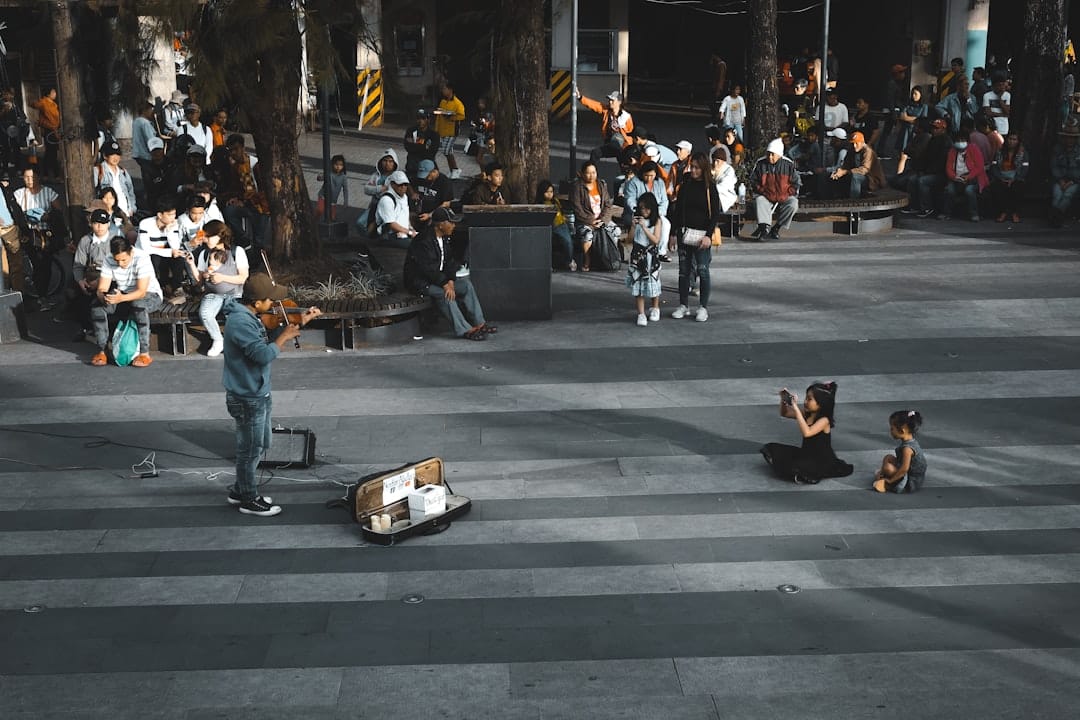
Daily social life on Negros Island is not organised around forming friendships quickly or deepening connections on demand.
It is organised around politeness, familiarity, and repeated contact over time.
Understanding that one difference explains why people here can feel warm and welcoming without becoming close — and why trying to accelerate that closeness often creates quiet discomfort rather than connection.
This guide isn’t about how to make friends.
It’s about how friendliness actually works in daily life.
What “Friendly” Means on Negros Island
On Negros, friendliness is not an invitation to intimacy.
It’s a baseline social condition.
Friendly behaviour includes:
- greeting people you recognise
- light conversation without obligation
- courtesy without expectation
- warmth that doesn’t require follow-up
This kind of friendliness is everywhere: in neighbourhood streets, markets, sari-sari stores, jeepneys, and small town centres.
It doesn’t signal interest in building a relationship.
It signals social ease.
Why Familiarity Comes Before Friendship
Social life on Negros moves through familiarity first.
People tend to:
- notice you repeatedly
- place you within a routine
- recognise your patterns
- remember you before engaging more deeply
This happens slowly and without comment.
In towns like Silay, Bais, San Carlos, or residential parts of Bacolod and Dumaguete, people see the same faces often. Familiarity grows from shared timing, not conversation depth.
Friendship, if it comes at all, comes after familiarity has settled.
Politeness Without Obligation
One of the most misunderstood aspects of daily life is how politeness functions.
People here are polite because:
- it keeps interactions smooth
- it avoids confrontation
- it maintains social harmony
Politeness does not mean:
- personal availability
- emotional openness
- willingness to socialise
A smile, a greeting, or a short chat can exist without any intention to continue beyond that moment.
Nothing is promised. Nothing is withdrawn.
Why Pushing Closeness Feels Awkward
When friendliness is misread as an opening, people sometimes respond by trying to deepen it.
They may:
- ask personal questions too early
- seek invitations or inclusion
- interpret warmth as interest
- expect consistency where none is offered
This often leads to subtle distancing — not rejection, but a return to neutral politeness.
On Negros, closeness is not built through momentum.
It’s built through time and repetition.
Where Friendly Interaction Is Most Visible
Friendliness shows up most clearly where daily routines overlap.
Neighbourhood streets
Regular passing creates recognition. Greetings become automatic, not intentional.
Markets and small shops
Brief, repeated exchanges build ease without conversation depth.
Transport routes
Jeepneys, tricycles, and walking paths create shared timing without shared plans.
Town centres
Places with predictable foot traffic allow people to be seen without being engaged.
In these spaces, friendliness is ambient — not directed.
The Difference Between Being Known and Being Close
Being known is common.
Being close is rare.
Many people on Negros will:
- know who you are
- know where you usually go
- recognise your routine
Without ever:
- inviting you into personal life
- sharing family matters
- seeking private time
This isn’t distance. It’s structure.
Social life protects private space by not offering it casually.
Why Silence Is Part of Friendliness
Silence in interaction is normal.
People are comfortable with:
- brief exchanges
- pauses
- conversations that end naturally
- familiarity without continuation
There is no pressure to fill space or progress interaction.
Silence doesn’t signal disinterest.
It signals comfort with boundaries.
How People Adapt Without Naming It
Most people who settle into daily life on Negros eventually adjust without realising it.
They:
- stop pushing conversations
- let greetings stay brief
- allow recognition to build slowly
- accept light connection as complete
Once expectations shift, interactions feel easier.
Not because relationships deepen —
but because pressure disappears.
Friendly Spaces vs Social Spaces
Not all spaces are social in the same way.
Some spaces support:
- friendliness (markets, streets, transport)
Others support:
- social life (family gatherings, long-standing friendships, community events)
Moving between these spaces without assuming they function the same way prevents most misunderstandings.
Being friendly does not mean you are entering someone’s social world.
Why This Works Long-Term
This model of friendliness protects daily life.
It allows:
- many interactions without emotional demand
- courtesy without exhaustion
- openness without intrusion
It also means relationships that do form are stable, slow, and grounded.
Nothing is rushed into being meaningful.
Being Comfortable With the Middle Ground
There is a wide middle space on Negros between being a stranger and being a friend.
Most daily interactions live there.
Accepting that middle space — without trying to resolve it — is what allows people to feel at ease over time.
Friendly doesn’t need to become more than it is.
Related Guides
- Connecting With Local Life in Negros Island
- Making Local Friends in Negros: What Actually Works (and What Doesn’t)
Final Note
Friendliness on Negros Island isn’t a starting point for friendship.
It’s a way of keeping daily life light, respectful, and manageable.
Once you stop asking it to become something else, it beco