
Making Local Friends in Negros: What Actually Works (and What Doesn’t)
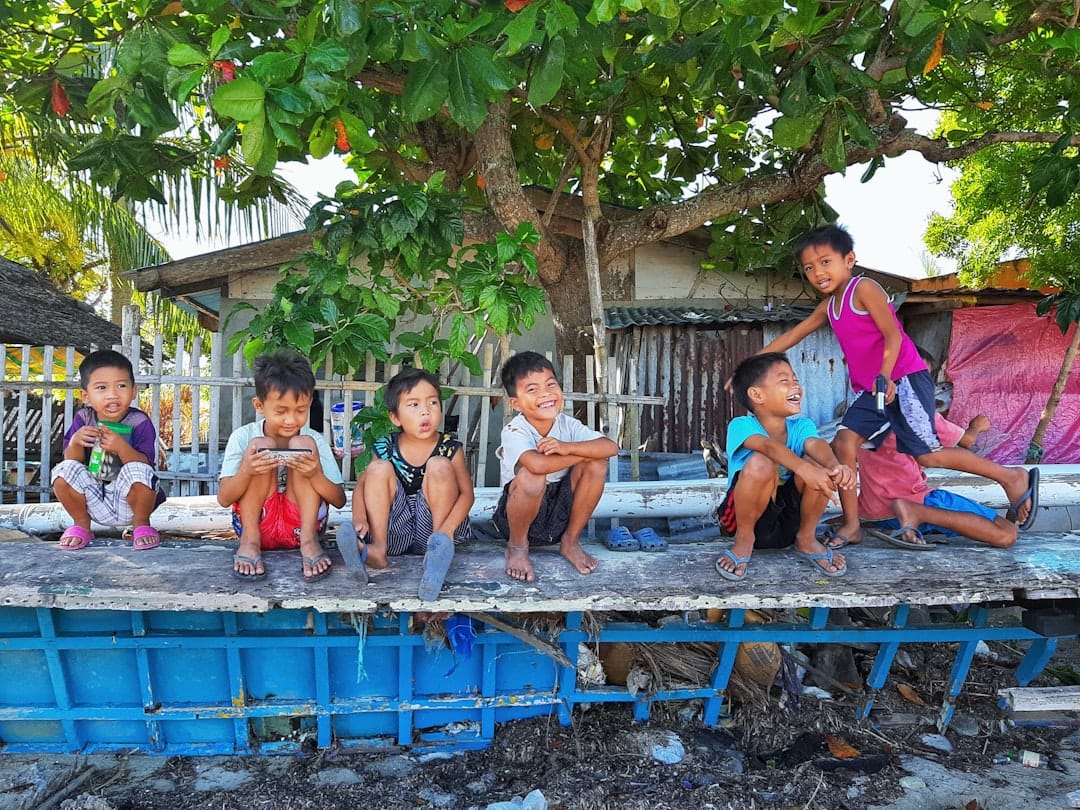
Social life on Negros Island is not organised around introductions, networking, or shared interests.
It is organised around time, familiarity, and repeated presence.
Understanding that one difference explains why some people feel welcomed but never quite included, while others slowly become part of everyday life without ever trying to “make friends” at all.
This guide is not about how to meet people.
It’s about how social connection actually forms.
What “Friendship” Means on Negros Island
On Negros, friendship is not a label people apply quickly.
It’s a condition that develops through visibility and reliability.
Most social relationships begin as:
- polite familiarity
- recognition without obligation
- conversation without expectation
People greet each other long before they consider each other friends. That stage can last months or years, and it isn’t seen as incomplete or awkward. It’s normal.
Trying to accelerate past this phase usually creates distance rather than closeness.
Why Time Matters More Than Personality
Many people assume that being friendly, interesting, or open will naturally lead to friendships. On Negros, time matters more than traits.
Relationships form because:
- someone is seen regularly
- routines overlap
- presence is consistent
- behaviour doesn’t change
This happens in ordinary places:
- neighbourhood streets
- small shops
- carinderias
- markets
- transport routes
People notice who keeps returning. Trust builds quietly from that repetition.
Familiarity Before Friendship
In towns like Silay, Bacolod, Dumaguete, or San Carlos, most social bonds pass through a long stage of familiarity.
This looks like:
- being recognised by sight
- being greeted casually
- brief conversations repeated over time
- small acknowledgements rather than invitations
Nothing dramatic happens. No moment announces that a friendship has begun.
One day, interaction simply feels easier.
Why Shared Activities Matter Less Than Expected
In many places, friendships are built around shared hobbies, events, or interests. On Negros, shared routine matters more than shared activity.
People bond through:
- seeing each other at the same time each day
- walking the same streets
- eating at the same places
- waiting together
Activities come later, if at all.
Expecting social connection to form through organised events or planned meetups often leads to disappointment, not because people are unfriendly, but because that’s not how relationships usually start.
What Tends to Work (Without Trying to “Work”)
Social connection tends to grow when people:
- move through the same spaces repeatedly
- don’t demand attention
- keep conversation light and contextual
- allow relationships to remain informal
Markets, neighbourhood stores, and local eateries matter because they create unforced repetition.
Nothing needs to be declared.
Nothing needs to be escalated.
What Tends Not to Work
Certain behaviours often slow or stop social connection, even when intentions are good.
These include:
- pushing conversations beyond comfort
- asking personal questions too early
- seeking validation or reassurance
- expecting invitations as proof of acceptance
These actions introduce pressure into relationships that are meant to remain light for a long time.
Distance is usually maintained politely rather than explained.
Why Invitations Are Rare (At First)
Invitations on Negros carry meaning. They imply responsibility, obligation, and future expectation.
Because of this, people don’t offer them casually.
Not being invited does not signal rejection. It signals that the relationship hasn’t yet reached that stage — and may never need to.
Many strong social ties remain informal and uninvited, built instead on mutual recognition and ease.
The Role of Family and Existing Networks
Most social life on Negros is already full.
Families, extended relatives, neighbours, and long-standing friendships occupy most people’s time and attention. New relationships are not added quickly because there is little need to add them.
This doesn’t make people closed. It makes them settled.
Understanding this removes the urge to compete for connection.
Why Patience Is Read as Respect
People who are comfortable with slow social rhythms tend to integrate more smoothly.
Patience is noticed through:
- not demanding explanation
- accepting silence
- not filling every gap
- returning without expectation
This kind of patience signals awareness of boundaries — something that is quietly valued.
When Relationships Change Naturally
Over time, something subtle may shift.
Conversations extend slightly.
People ask about your day.
You’re acknowledged in new ways.
There is no announcement. No milestone.
The relationship hasn’t been earned or unlocked. It has simply settled into place.
Understanding Social Distance Without Resisting It
Social distance on Negros is not something to overcome.
It’s something to understand.
Many relationships remain light, polite, and bounded — and that’s enough. Expecting every interaction to deepen misunderstands how social life is structured.
Connection here is cumulative, not dramatic.
Related Guides
Final Note
Making local friends on Negros Island isn’t about effort or technique.
It’s about time, repetition, and comfort with limits.
Once you stop trying to turn familiarity into something else, relationships begin to feel easier — and more natural — exactly as they’re meant to be.