
How to Plan Less and Experience More
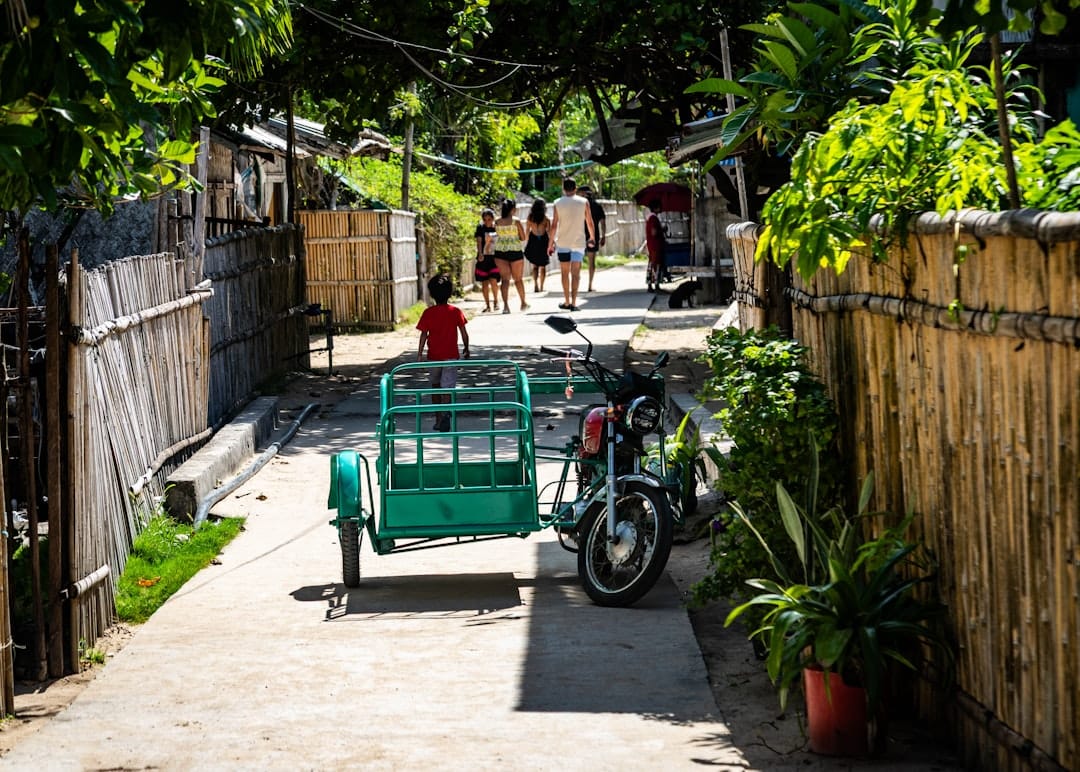
Travel on Negros Island is not organised around efficiency, optimisation, or completion.
It is organised around timing, availability, and interruption.
Understanding that one difference explains why people who plan tightly often feel frustrated here — and why those who arrive with fewer expectations often leave feeling they experienced more, not less.
This guide is not about what to see or how to structure days.
It’s about why reducing plans changes how the island is experienced.
What “Planning” Means on Negros Island
On Negros, planning is not something daily life relies on heavily.
Most routines are responsive, not fixed.
Days adjust to:
- weather
- transport availability
- market supply
- power interruptions
- family or community events
This doesn’t mean nothing is organised. It means organisation remains flexible.
Trying to impose rigid plans onto this system usually creates friction — not because anyone is doing something wrong, but because expectations are misaligned.
Why Rushing Creates Resistance
Rushing on Negros rarely speeds things up.
It usually does the opposite.
When plans are tight:
- delays feel personal
- changes feel like failures
- waiting feels unproductive
But delays here are not exceptions. They are part of how systems absorb variation.
Transport leaves when full.
Food is ready when cooked.
Places open when people arrive.
When time pressure is introduced, patience becomes a demand rather than a posture — and that’s where discomfort starts.
Timing Matters More Than Intent
Many visitors arrive with good intentions: to be respectful, observant, and flexible.
What they underestimate is how much timing controls access.
On Negros:
- mornings carry most activity
- midday slows naturally
- afternoons stretch
- evenings close in earlier
Trying to “fit things in” outside these rhythms doesn’t unlock more experience — it usually closes options.
Planning less means aligning with timing instead of pushing against it.
Why Fewer Plans Reveal More
When plans are reduced, attention shifts.
Instead of moving between destinations, people notice:
- repeated streets
- familiar faces
- daily patterns
- small variations
This is how understanding forms — not through coverage, but through repetition.
In towns like Silay, San Carlos, or neighbourhoods of Bacolod and Dumaguete, life reveals itself slowly. The same route walked twice shows more than two different routes walked once.
Planning less makes space for this.
Limitation as Information
Limitations on Negros are often read as obstacles.
In reality, they’re signals.
A closed road, a sold-out dish, or a delayed trip isn’t a setback — it’s information about how the place is operating that day.
When plans are light, limitations guide movement instead of disrupting it.
When plans are heavy, limitations feel like problems to solve.
Slow travel accepts limitation as part of the experience rather than something to overcome.
Why “Doing Nothing” Isn’t Empty Time
Periods without activity are common here.
Midday heat, afternoon rain, or quiet stretches between errands are not gaps to be filled. They are normal pauses.
People who plan less often discover that these pauses are where understanding settles in:
- conversations happen unforced
- surroundings become familiar
- expectations reset
Trying to eliminate downtime removes one of the clearest ways the island communicates its pace.
Being a Guest Changes the Equation
Planning heavily often assumes a consumer role:
- things should be available
- time should be respected
- plans should be accommodated
On Negros, respectful travel works differently.
Being a guest means:
- accepting uncertainty
- adapting quietly
- not expecting systems to rearrange
Planning less supports this posture. It reduces the urge to negotiate outcomes and replaces it with observation.
Presence becomes lighter — and less demanding.
Why Simple Days Feel Fuller
Many people report that days feel “fuller” even when fewer things happen.
This isn’t because more is experienced.
It’s because less is filtered out.
When attention isn’t split between schedules and decisions, small details carry more weight:
- a routine morning route
- the way a town slows after noon
- how weather reshapes movement
These details don’t register when days are crowded with intent.
Where Planning Breaks Down Most
Tightly planned days tend to break down in:
- rural areas
- upland towns
- coastal communities
- anywhere dependent on weather or transport flow
These are also the places where slow travel works best.
Planning less doesn’t guarantee ease — but it prevents frustration when unpredictability appears.
Letting the Day Set the Shape
On Negros, days often suggest their own structure.
A morning might indicate:
- whether travel makes sense
- whether staying close is better
- whether plans should shrink rather than expand
Listening to that signal — instead of forcing a plan through it — is often the difference between tension and ease.
Slow travel here is less about movement and more about response.
Related Guides
- Why Slow Travel Works Better in Negros Than Bucket List Travel
- Why Overplanning Causes More Stress Than Freedom
Final Note
Planning less on Negros Island isn’t about giving up control.
It’s about recognising that control was never the point.
When plans loosen, attention sharpens.
When expectations drop, experience deepens.
Not because more happens —
but because you finally have space to notice what already is.