
Why Expats Struggle in Negros: The Hidden Expectations They Miss
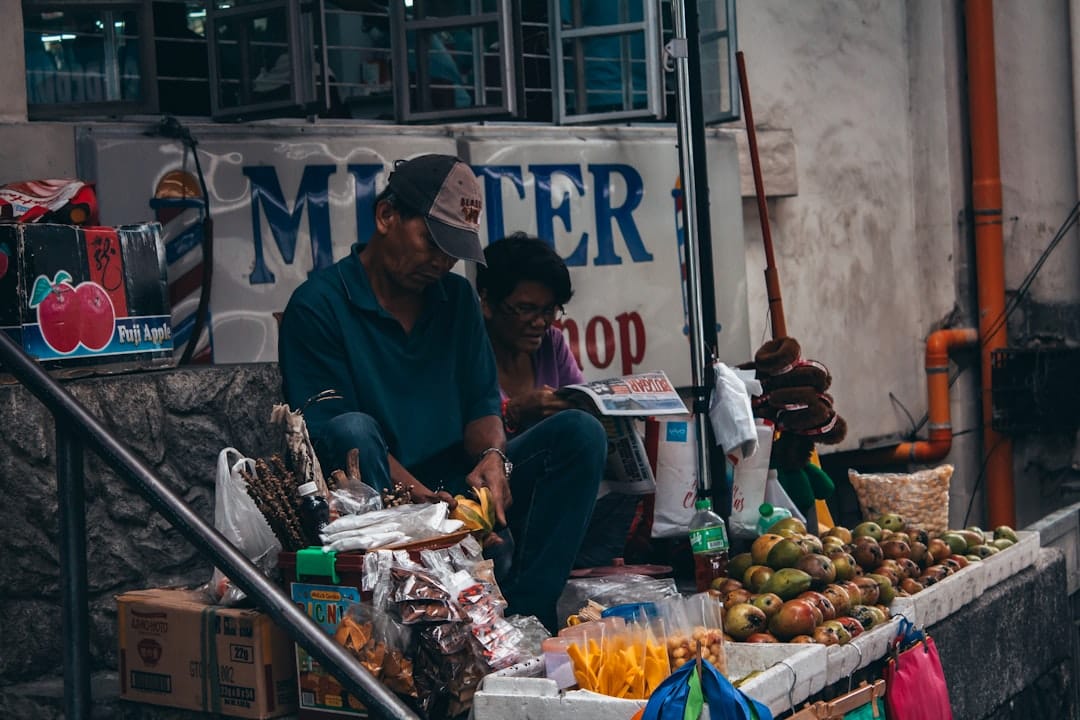
Life on Negros Island is not organised around efficiency, clarity, or consistency.
It is organised around relationships, timing, and tolerance for uncertainty.
Understanding that single difference explains why some outsiders settle easily while others feel permanently frustrated — even when nothing openly goes wrong.
This guide is not about who belongs or who doesn’t.
It’s about how daily life actually unfolds, and which expectations quietly fail to translate.
What “Struggle” Looks Like in Daily Life
Struggle on Negros rarely appears as open conflict.
It shows up as:
- confusion about delays
- irritation with unclear answers
- feeling ignored rather than refused
- exhaustion from small, repeated adjustments
Most of the time, no one is being difficult.
Daily life is simply operating on a different logic.
People who struggle are often responding to mismatched expectations, not bad experiences.
Life Here Is Relationship-First, Not System-First
Daily life on Negros is shaped less by formal systems and more by who knows whom, and for how long.
This affects:
- how information is shared
- how problems are resolved
- how priorities shift during the day
In towns like Silay, Bacolod, Dumaguete, or smaller provincial centres, many things move through informal channels. Familiarity matters. Repetition matters.
This doesn’t mean rules don’t exist.
It means rules are rarely the first reference point.
People adapt to people before they adapt to systems.
Why Clear Answers Are Rare
One of the most common points of friction is communication.
Questions are often met with:
- partial answers
- vague timing
- polite agreement without follow-through
This isn’t avoidance. It’s caution.
Giving a firm answer creates obligation.
Avoiding certainty keeps relationships smooth.
In daily life, it is often better to say less than to risk saying something that later proves incorrect or inconvenient.
People who expect clarity upfront often feel misled, when in reality no promise was ever made.
Time Is Flexible, But Not Empty
Time on Negros is not unmanaged — it’s responsive.
Days adjust around:
- family needs
- weather
- transport availability
- unexpected requests
Schedules exist, but they bend.
This can feel inefficient to people who rely on fixed sequencing. But for locals, flexibility is what allows life to continue despite frequent interruptions.
When plans change, it’s not a failure of organisation.
It’s the system absorbing reality.
Why “Being There” Doesn’t Create Belonging
Another common expectation is that presence naturally leads to inclusion.
On Negros, time alone does not produce access.
Belonging is shaped by:
- shared history
- repeated interaction
- mutual obligation
Not by proximity.
People can be friendly, welcoming, and helpful — while still maintaining distance. This is not rejection. It’s boundary maintenance.
Understanding this removes a great deal of quiet resentment.
Public Warmth vs Private Circles
Social life here has layers.
Public interactions are often:
- warm
- polite
- accommodating
Private circles are:
- slow to open
- protective
- long-standing
It’s common to be greeted daily, joked with, and helped — without ever being invited into personal space or decision-making.
Those who expect public friendliness to transition into private inclusion often feel something is “missing,” even when relationships are functioning normally.
Why Frustration Builds Quietly
Because Negros social life avoids confrontation, frustration often accumulates without release.
People may feel:
- overlooked
- undervalued
- misunderstood
But nothing explicit happens to point to.
This can lead to repeated attempts to “fix” situations — asking more questions, pushing for clarity, asserting preferences — which often increases distance rather than resolving it.
Life here responds better to adaptation than assertion.
Daily Adaptation Is the Real Skill
People who settle more easily tend to do one thing consistently:
they adjust their expectations before adjusting their surroundings.
This shows up as:
- allowing plans to remain loose
- accepting indirect answers
- tolerating repetition
- not needing immediate resolution
Nothing dramatic changes.
Daily life simply becomes less tiring.
Why This Isn’t About Right or Wrong
None of this is about superiority, toughness, or correctness.
It’s about fit.
Negros life prioritises:
- continuity
- harmony
- long relationships
- shared tolerance for inconvenience
People whose expectations align with that feel calmer over time.
People whose expectations remain fixed often feel worn down, even in pleasant surroundings.
The place hasn’t changed.
The mismatch remains.
What Locals Rarely Explain
Most of these expectations are never stated out loud.
Explaining them would:
- risk embarrassment
- imply criticism
- create unnecessary tension
So they remain unspoken.
People are expected to observe, adjust, and learn quietly — the same way locals do.
This is not instruction.
It’s how social life protects itself.
Related Guides
- Connecting With Local Life in Negros Island
- The Biggest Mistake Expats Make When Moving to the Philippines
Final Note
Most people who struggle on Negros aren’t doing anything wrong.
They’re simply holding expectations that don’t translate into a place organised around flexibility, relationships, and quiet boundaries.
Once that difference is recognised, daily life becomes easier — not because it changes, but because it no longer needs explaining.
And that’s usually when the struggle fades into the background, where it was all along.