
When Not to Visit Waterfalls and Why Locals Avoid Them
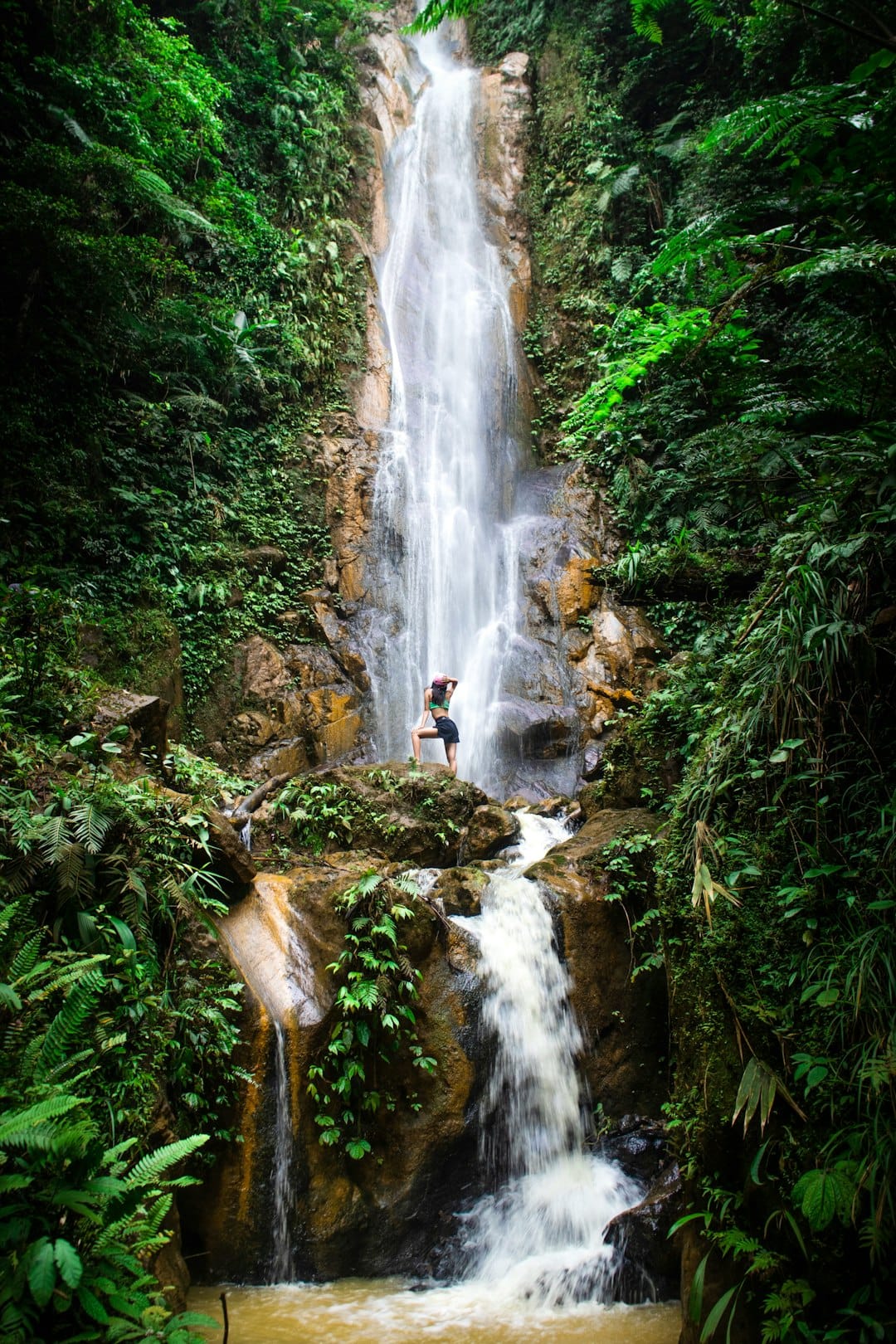
Waterfalls on Negros Island are not organised around access, convenience, or visibility.
They are shaped by season, weather, work, and routine.
Understanding that difference explains why many waterfalls are quiet one week and avoided the next — and why locals often choose not to go at times that look ideal from the outside.
This guide is not about where to go.
It’s about when waterfalls stop fitting into daily life — and why that matters.
How Waterfalls Fit Into Daily Life on Negros
For locals, waterfalls are not attractions.
They are places that exist alongside farming, fishing, transport, and weather.
They are visited:
- when water levels are right
- when paths are passable
- when work allows
- when conditions feel normal
They are avoided just as naturally when those conditions change.
There is no sense that a waterfall should always be accessible, safe, or worth the effort.
Why Heavy Rain Changes Everything
Rain doesn’t just add water — it changes behaviour.
During sustained rain, locals avoid waterfalls because:
- paths become unstable
- river levels rise unpredictably
- water turns fast and opaque
- small landslides are common
In upland areas near Valencia, Canlaon, or the foothills of Mount Kanlaon, rain can transform a familiar trail into something unrecognisable within hours.
What looks dramatic from a distance is often read locally as a reason not to go.
Why Midday Isn’t Always the Right Time
Midday seems logical to visitors.
For locals, it’s often the worst time.
Reasons include:
- heat buildup on exposed paths
- glare and reduced visibility
- fatigue after morning work
- increased crowding on narrow access points
Many waterfalls near towns like Dumaguete or Bacolod are passed by early or late, not at midday.
Timing here follows energy, not availability.
Why Weekends Are Often Avoided
Weekends don’t signal leisure for everyone.
Local avoidance of weekends often comes from:
- increased noise
- unpredictable behaviour
- congestion on small access roads
- reduced ability to move quietly
When waterfalls sit near barangays or shared land, weekends bring overlap that disrupts both daily life and the place itself.
Avoidance is not about dislike — it’s about maintaining distance.
Seasonal Water vs Everyday Use
Some waterfalls are seasonal by nature.
In the dry months:
- water may be too low
- pools stagnate
- access paths degrade
In the wet months:
- water becomes forceful
- edges erode
- familiar markers disappear
Locals understand that not every season is a “waterfall season.”
A place being present does not mean it is usable.
Why Closures Are Taken Seriously
When a waterfall is closed — officially or informally — locals don’t test the boundary.
Closures usually reflect:
- recent accidents
- unstable terrain
- community decisions
- environmental recovery
In areas around Negros Oriental and parts of Negros Occidental, these decisions are often communicated quietly and enforced socially rather than visibly.
Ignoring them isn’t seen as adventurous — it’s seen as careless.
Why Locals Rarely “Check It Out Anyway”
Curiosity doesn’t outweigh risk.
Local decision-making tends to be conservative because:
- rescue is difficult
- help is not immediate
- responsibility is shared
- consequences extend beyond the individual
If a place feels wrong, it’s skipped without debate.
There is no sense of missing out.
Why Social Media Timing Clashes With Reality
Waterfalls often appear online at their most dramatic — after rain, during high flow, or at rare moments of clarity.
Those are often the worst times to be there.
Locals avoid:
- peak visibility moments
- sudden popularity
- unfamiliar behaviour
A waterfall going quiet after appearing online is not coincidence.
It’s a response.
Why Distance Isn’t the Main Factor
Waterfalls that are close can be avoided.
Waterfalls that are far can be visited.
Distance matters less than:
- access conditions
- water behaviour
- crowd presence
- current workload
This is why some falls near towns sit empty while others deeper inland are visited quietly.
Decision-making is contextual, not geographic.
How Avoidance Protects the Place
Avoidance is not neglect.
By not going:
- paths recover
- vegetation regrows
- water clears naturally
- pressure dissipates
This is not framed as protection — it’s simply how use is spaced over time.
Places are allowed to rest without being named as fragile.
What This Means for Observation, Not Access
Understanding when not to visit reveals more about Negros than visiting ever could.
It shows:
- how risk is assessed
- how land is respected
- how limits are accepted
- how routine takes priority
Waterfalls are not destinations waiting to be unlocked.
They are features within a working landscape.
Related Guides
- Exploring Negros Island Without Damaging It
- How to Enjoy Waterfalls Without Turning Them Into a Circus
- Why Night Travel Isn’t Always a Good Idea in Rural Areas
Final Note
On Negros Island, waterfalls are not avoided because they are unimportant.
They are avoided because they are understood.
Knowing when not to go is part of how daily life continues without turning places into problems.
That understanding doesn’t come from maps or posts —
it comes from paying attention, and being willing to leave things alone.