
Ethical Diving and Snorkelling in Negros Explained
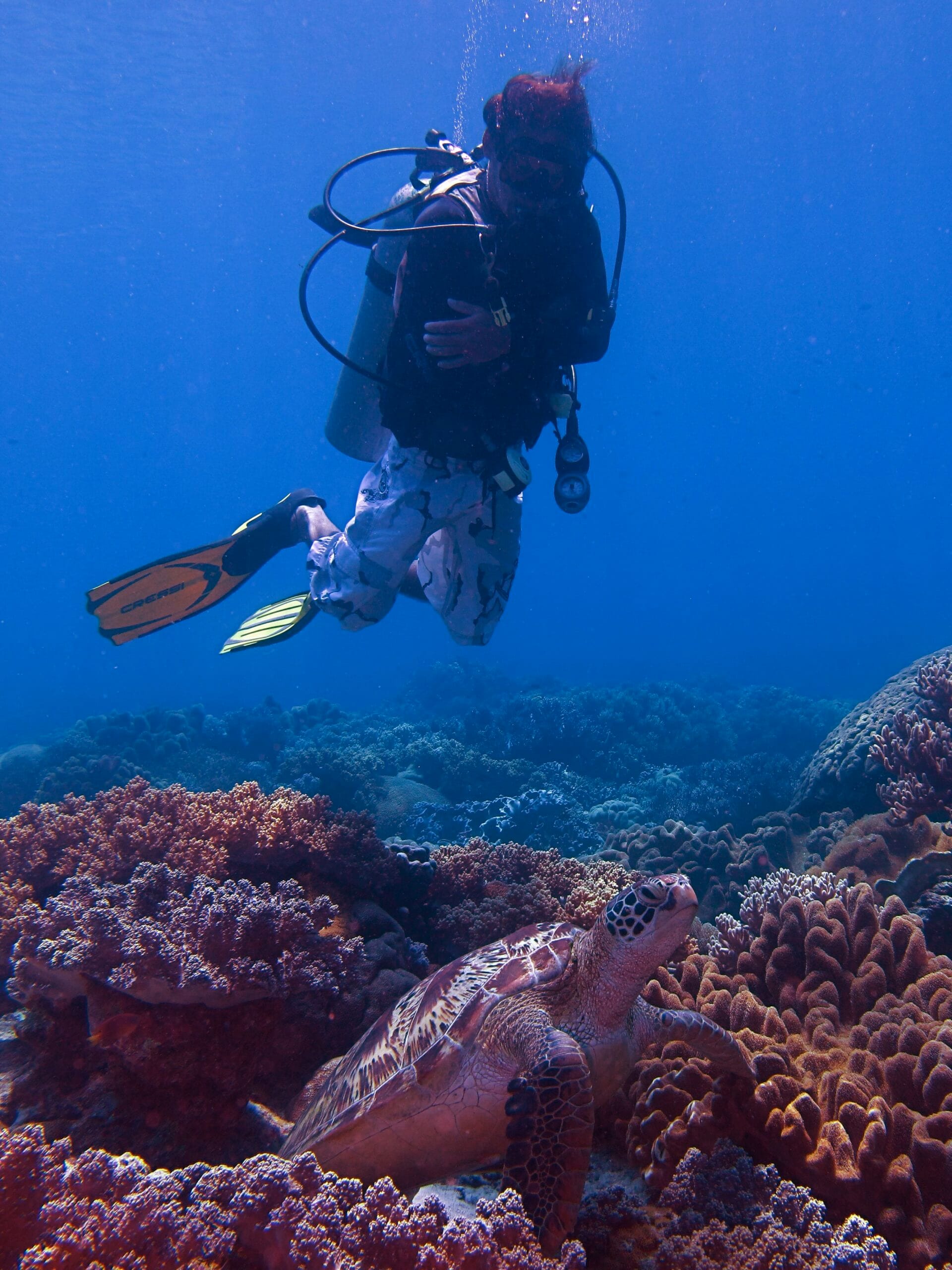
Diving and snorkelling around Negros Island are not organised around adventure, discovery, or experience-seeking.
They exist as extensions of coastal routine.
Understanding that one difference explains why local waters feel calmer, why access is sometimes limited, and why behaviour matters more than intention.
This guide is not about where to dive or snorkel.
It’s about how these activities fit into daily coastal life — and what “ethical” actually means in practice.
What “Ethical” Means in Coastal Negros
On Negros, ethics around the sea are not formalised, branded, or discussed openly.
They are assumed through behaviour.
Ethical interaction with coastal waters usually means:
- moving slowly
- touching nothing
- following local timing
- accepting limits without argument
There are no speeches, signs, or explanations for this.
People simply notice who respects the water — and who treats it as a backdrop.
Diving and Snorkelling as Normal Activity
In coastal towns and islands such as Dauin, Apo Island, or working shorelines near Sipalay, the sea is not an attraction. It is a workplace, a food source, and a constant presence.
People interact with it daily:
- fishers setting out early
- boats crossing familiar routes
- tides shaping the day
- weather determining access
Recreational use exists alongside this — not above it.
Ethical behaviour begins with recognising that you are entering an already-functioning system, not arriving at an empty space.
Why Timing Matters More Than Conditions
Most visitors think in terms of visibility, currents, or weather windows.
Locals think in terms of timing.
- early mornings before heat and traffic
- specific tide windows
- days when fishing pressure is low
- seasons when reefs need rest
When snorkelling or diving happens outside these rhythms, it disrupts more than the water surface. It interferes with work patterns and resource balance.
Ethical interaction aligns with existing timing — even when that means waiting or not entering at all.
Why “Access” Is Often Limited
Restrictions around diving or snorkelling are often misunderstood as control or inconvenience.
In reality, they usually exist because:
- reefs are recovering
- fish populations are spawning
- weather has made entry unsafe
- pressure has exceeded tolerance
On places like Apo Island, access limits are not symbolic. They are practical responses to cumulative use.
Ethics here means accepting that not all places are always available — and that no explanation is required.
Boats, Reefs, and Quiet Boundaries
Ethical behaviour is most visible in how people move.
Locals know where boats stop, where anchors are avoided, and where engines are cut early. These boundaries are rarely marked. They’re remembered.
Problems arise when:
- boats idle too close
- anchors are dropped casually
- swimmers drift into working areas
- people assume space is shared equally
The sea may look open, but its use is highly structured.
Respect is shown through distance.
Why Touching Nothing Matters
Coral damage doesn’t usually come from malice.
It comes from casual contact.
- standing where depth changes
- grabbing for balance
- chasing fish
- adjusting position repeatedly
Ethical snorkelling and diving on Negros mean remaining a viewer, not a participant.
Local divers and fishers treat reefs as fragile infrastructure. Visitors who treat them as scenery often don’t notice the difference until access disappears.
Group Size and Behaviour
Large groups change the tone of any place — underwater included.
Small, quiet groups:
- create less disturbance
- move predictably
- are easier to manage
Large groups:
- spread attention
- create noise and confusion
- increase accidental damage
This is why local operators often limit numbers or stagger entry. Ethics here are logistical, not ideological.
Why “Eco” Language Misses the Point
Terms like “eco-friendly” or “sustainable” are rarely used locally.
Not because people don’t care — but because care is assumed.
The reef is protected not through slogans, but through:
- repetition
- restraint
- memory
- consequence
When damage accumulates, access closes.
When behaviour improves, it slowly reopens.
That feedback loop is the system.
How Locals Learn the Water
Knowledge of coastal areas on Negros is learned through time, not instruction.
People know:
- which areas recover quickly
- which need years
- where fish return first
- when not to enter
This knowledge isn’t transferable in a briefing. It’s earned through presence.
Ethical behaviour acknowledges that you don’t need to understand everything — only to not interfere.
Observation Instead of Participation
The most ethical way to experience marine areas on Negros is often the least active.
- floating without movement
- watching from shore
- limiting time in the water
- leaving before fatigue sets in
Nothing is lost by doing less.
More is preserved.
Related Guides
- Exploring Negros Island Without Damaging It
- The Difference Between Access and Exploitation
- Getting Around Negros Island the Slow Way
Final Note
Ethical diving and snorkelling on Negros Island are not defined by rules or labels.
They are defined by restraint.
When people move slowly, accept limits, and leave space untouched, the sea remains part of daily life — not a product.
That’s how it has always worked here.