
Is Negros Island Safe? An Honest Safety Guide
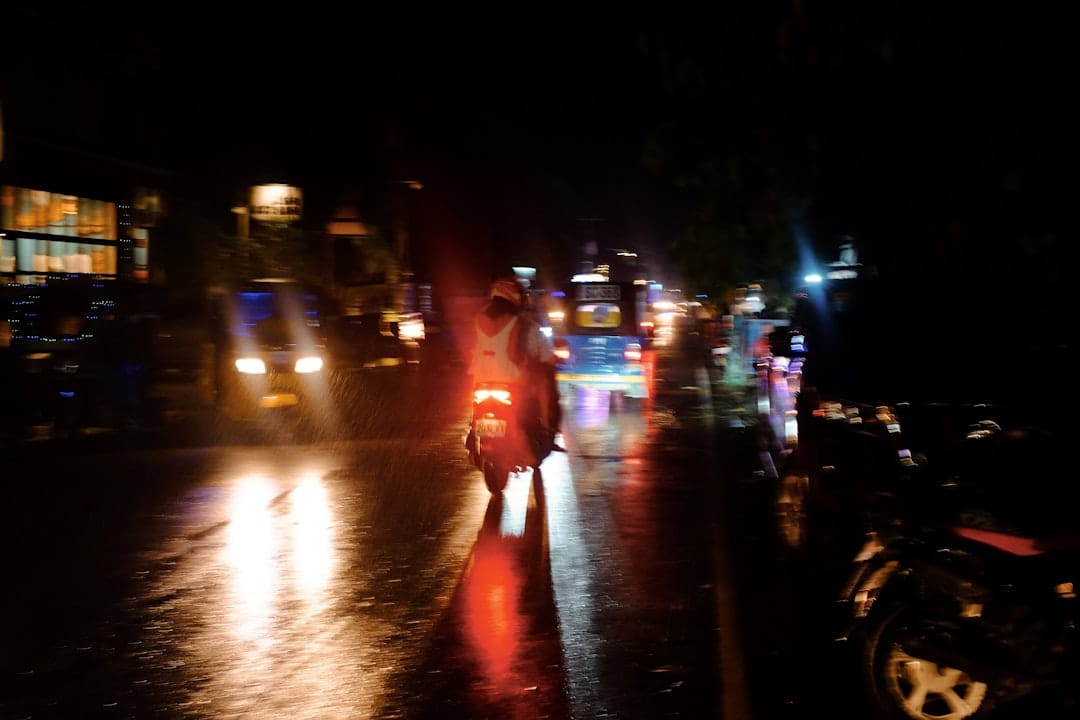
The short answer: yes, Negros is one of the safer places in the Philippines to visit and live, and the dangers that exist are mostly not the ones people search about. Nobody’s holiday here is threatened by crime statistics; plenty are dented by a scooter, a dog, or a same-day ferry connection. Here’s the honest ranking.
The actual biggest risk: the road
Road travel is, by an enormous margin, the most dangerous thing anyone does on Negros. The specific hazards: motorbikes ridden without training or helmets, overloaded tricycles, overtaking on blind mountain curves, and above all, night travel on rural roads. After dark, the national highway becomes a shared space of unlit tricycles, unlit bicycles, pedestrians in dark clothing, dogs asleep on warm asphalt, and the occasional carabao, none of which appear in headlights until late. Locals travel early for a reason, and the pattern to copy is theirs: do the distance in daylight, treat the first hour after sunset as the deadline, and if a trip can’t finish by dark, it starts tomorrow. Buses are the safest seats on the island; a rented scooter at night in the rain is the least safe place a visitor can be.
Kanlaon volcano: the live one
Status as of July 2026: Kanlaon is in an active eruptive period and has been since 2024, currently at PHIVOLCS Alert Level 2 with a strictly enforced 4-kilometre Permanent Danger Zone around the summit. The most recent moderate explosive eruption was on 9 July 2026, one of several this year, and PHIVOLCS has flagged that the alert could rise to Level 3 if unrest escalates. Check the PHIVOLCS website or VolcanoPH app for the level on the day you read this.
What it means practically: the summit hike is closed and has been for a long while, communities on the southwest flanks, the La Castellana, La Carlota, Bago side, get ashfall when the wind takes plumes that way, and heavy rain on ash-loaded slopes can send lahars down established river channels near the volcano. For everyone else on the island, including Bacolod, Dumaguete, and every coastal destination, the volcano is scenery. Ash has occasionally closed the Bacolod-Silay airport for a day; that’s the realistic visitor impact, and it argues for not booking unmissable connections on the same day you leave.
Weather: the scheduled hazard
Negros sits south of the main typhoon belt and takes fewer direct hits than Luzon, but wet-season weather still runs the calendar: roughly June to November brings the habagat rains, flash flooding in low-lying city streets, landslide-prone stretches on the mountain roads (Mabinay and the DSB highway collect slips), and days when ferries simply don’t sail. The rules locals live by: respect a PAGASA storm signal, don’t drive mountain roads in serious rain, never cross a flooded spillway, and build a spare day into any itinerary that involves a boat.
Crime: real but modest
Negros has ordinary Philippine provincial crime levels, which is to say low by regional standards, and violent crime against foreigners is genuinely rare. What exists: pickpocketing and bag-snatching in crowded Bacolod and Dumaguete spots (markets, terminals, festivals), phone-snatching from tricycles in the cities, opportunistic theft of things left on beaches and in unlocked rooms, and occasional drink-related trouble around late-night districts. The countermeasures are the boring universal ones: phone in the front pocket, bag across the body on the traffic side, valuables out of sight, and the sensible-hours rule for unfamiliar areas. Scams run to overcharging rather than anything elaborate; agree tricycle prices before boarding and the problem mostly disappears.
The insurgency question
Older travel advisories mention the NPA insurgency in the Negros interior, and it deserves a straight answer. The armed conflict that ran for decades in the remote upland interior has wound down dramatically in recent years, with government declarations of dismantled fronts and mass surrenders, and it never touched the coastal cities, highways, and visitor destinations where the entire tourism economy operates. The historic affected areas were remote mountain barangays that no visitor passes through by accident. The residual advice stands on its own merits anyway: if you’re planning something deep in the interior uplands, off the mapped roads, ask locally first, which is good practice everywhere on earth.
Health and the small stuff
Dengue is the most likely genuine health event, wet season especially, repellent at dawn and dusk is the whole defence. Rabies exists in the dog population; any bite or scratch means a same-day trip for post-exposure shots, available at the provincial hospitals and health offices. Tap water: locals drink filtered or refilled water, do the same, the blue refilling stations are everywhere and cost pennies. The hospitals that matter are in Bacolod and Dumaguete; the further you are from them, the more your travel insurance and a phone signal matter, which is the real safety argument for insurance that includes medical evacuation.
The bottom line by person
Solo travellers, including women, report Negros as easy going by Southeast Asian standards, with the usual night-time city awareness. Families find it one of the gentler islands. Long-stayers face the road risk daily, which is why the driving habits section of every expat guide is really the safety section. Emergency number nationwide: 911. The most useful safety equipment on Negros remains a helmet, daylight, and the local instinct to start early.
Related Guides
- Why Slow Travel Works Better in Negros Than Bucket List Travel
- Why Locals Travel Early and Tourists Travel Late