
Homestays in the Philippines: What They’re Really Like (A Negros Guide)
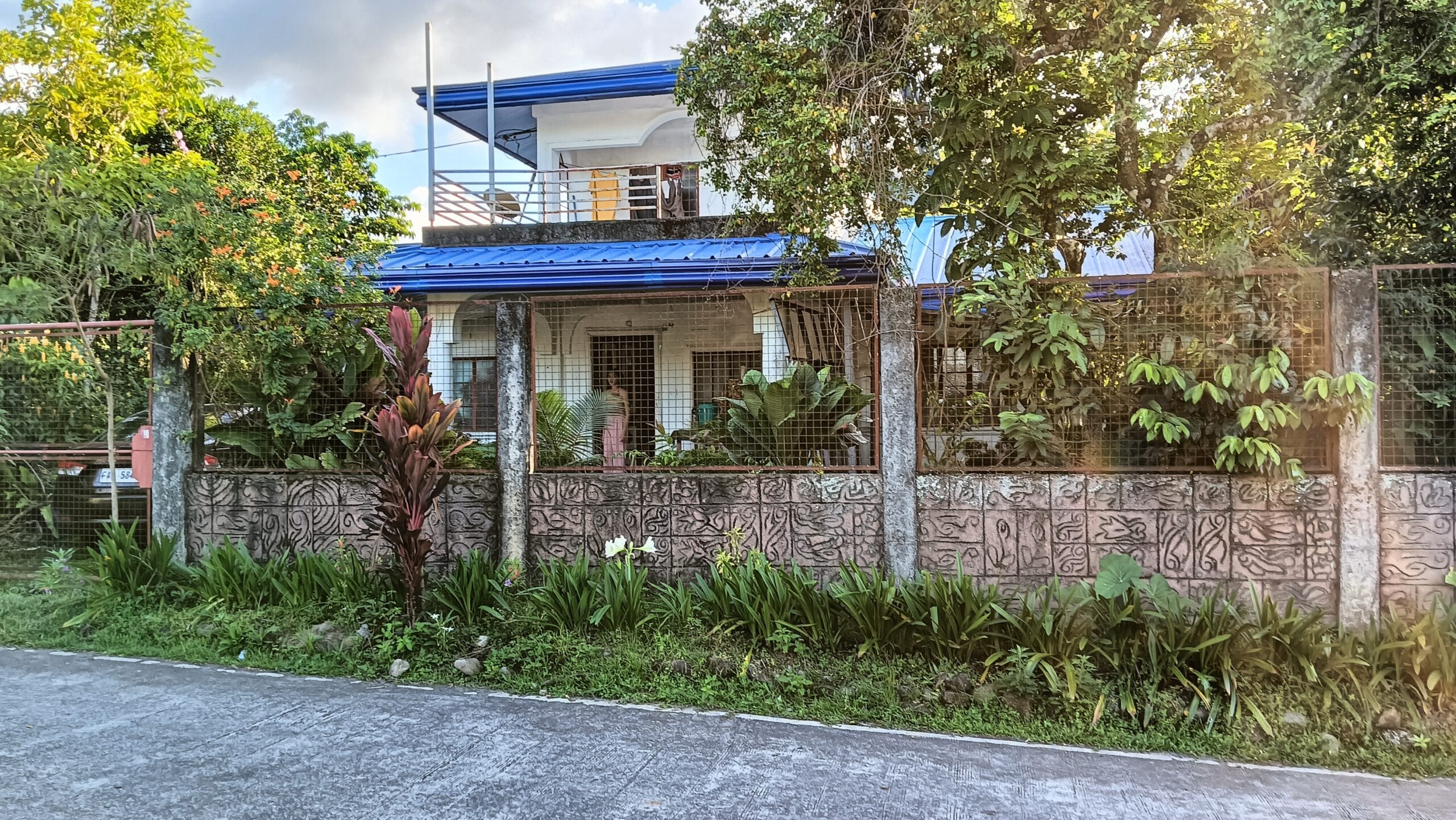
A homestay in the Philippines means exactly what the word says: a room in a family’s home, their table, their bathroom, their rooster. It’s the cheapest bed on the island and the most valuable one, and almost none of it is bookable online, which is why most visitors never find it.
Here’s what it’s actually like, and how to arrange one on Negros.
What you get
A private room, usually simple: bed, fan, sometimes aircon, a window that matters more than the furniture. The bathroom is often shared with the family, and the shower is often a tabo, the dipper and bucket, with cold water. Cold water in this climate is a feature by week two.
Meals are the heart of it. Most homestays feed you, either included or for a small add-on, and you eat what the family eats: rice, the morning’s fish, vegetables from the market or the yard. This is the best Filipino food most visitors will ever have, because it’s not restaurant food at all.
And you get the family. The conversation over dinner, the lola who runs the kitchen, the kids doing homework at the same table, the neighbour who drops in. A homestay is a crash course in how the island actually lives, taught by people who live it.
What it costs
Rough Negros numbers: ₱300–600 a night for a room, ₱500–900 with meals folded in, less for long stays, always negotiable in the friendly sense. Some places quote per person, some per room, so ask which. Cash, always, and small notes help in villages where change is a genuine logistics problem.
Where homestays actually happen on Negros
Apo Island is the purest homestay destination on the island: families have taken guests since before the resorts arrived, and the named ones, Mario’s (which pairs rooms with scuba), Ronors with its little restaurant, Maria’s, H&H, are the island’s accommodation more than any hotel is. Stay a night and you get Apo after the day boats leave, which is a different island.
The Sibulan–Bacong belt around Dumaguete is the deepest family-room territory anywhere on Negros: places like Ayang’s Place, Tati’s Place, Elaine’s Abode, and dozens of similar home-scale setups renting rooms in the university orbit. Long-stayers and students found this system first; travellers can use it too.
The Valencia hills have the Camp Look-out homestay zone, mountain views the resorts down the road charge ten times more for, and Guintubdan, high on the La Carlota side of Kanlaon, keeps mountain stays around its pavilion for the cool-air and trailhead crowd.
The southwest coast runs quiet and homestay-friendly: the Ilog–Cauayan stretch has its family guesthouse cluster, Han’s, Justine’s, Trisha’s, and around Hinoba-an the Matlag Farm House puts you on a working farm at the island’s far corner.
Lake Balanan behind Siaton arranges rooms through its contact point at the lake. Sipaway Island, the ten-minute boat hop from San Carlos, runs a homestay cluster that is the island’s main accommodation, and San Carlos itself has family residences taking guests. The farm stay belt through Don Salvador Benedicto and Canlaon puts you on working vegetable farms, and family homes around Bago and La Carlota take guests in the sugar country few visitors ever sleep in.
Beyond the mapped zones, nearly any barangay will produce a homestay if asked. Which brings us to how.
How to arrange one
Forget the booking apps. The system is people.
The most reliable door is the barangay hall: the captain or the tanod on duty knows exactly which families take guests, and being introduced through them puts you inside the community’s own vouching system, which protects everyone. The sari-sari store owner knows too. So does the tricycle driver who brought you.
Some zones have a contact person, the Balanan and Sipaway pattern. On Apo, the boatmen at Malatapay will connect you before you’ve left the beach. Facebook finds the rest: search the barangay name plus homestay, and message. Replies come in hours. For festival weeks, arrange ahead; for a random Tuesday in Siaton, arriving and asking works fine.
How to be good at it
A homestay runs on the rules of a home, not a hotel. Greet everyone, learn names, eat what’s served and praise the cook, because the cook is the household’s centre of gravity. Ask before smoking, before bringing guests, before opening the fridge.
Quiet hours are real: village nights end early and start at 4am with the roosters, and there’s nothing to be done about the roosters. Pay what was agreed without ceremony, and if you want to give more, give it as pasalubong, food for the table, something for the kids, rather than as a tip, which can land awkwardly in a home.
And accept the generosity, which will be constant and slightly overwhelming. Refusing the third helping is allowed. Refusing the first is not.
Who it’s for, honestly
A homestay suits the traveller who wants the place more than the amenities: researchers, long slow travellers, anyone learning the language, anyone tired of rooms that could be anywhere. It doesn’t suit light sleepers, privacy absolutists, or anyone who needs the wifi to work every hour, because it won’t.
The trade is simple. You give up convenience and a little privacy. You get the island itself, at close range, with dinner included. Nothing else on Negros sells that at any price.