
Suki on Negros Island: How the Filipino Regular-Customer System Works
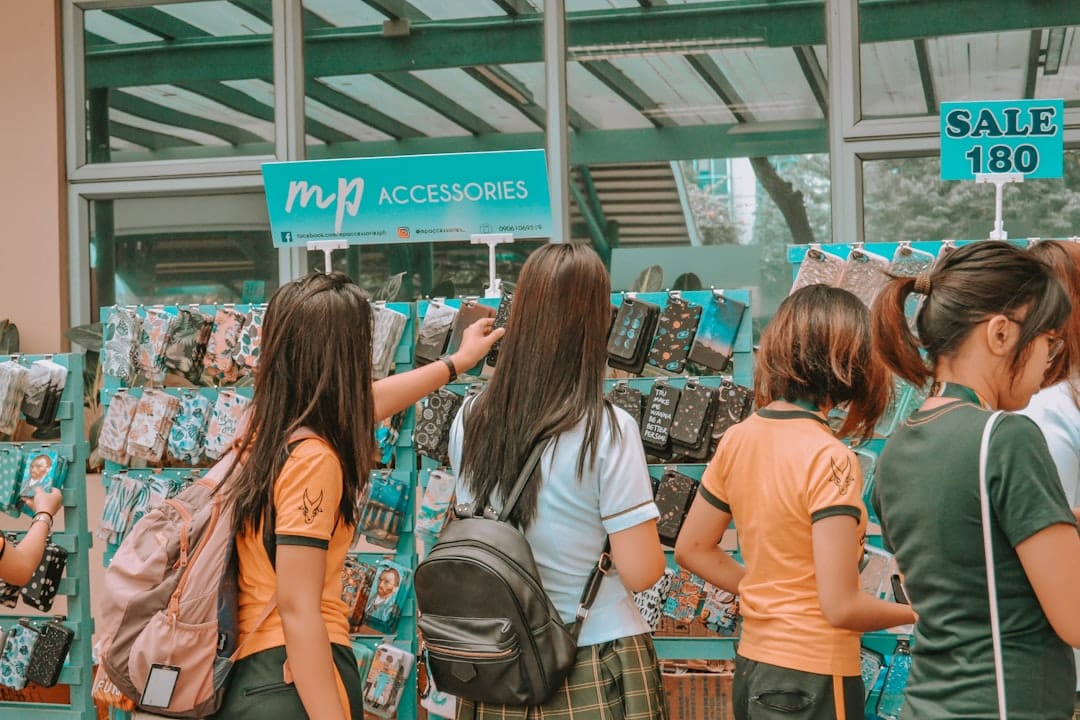
Suki is the Filipino word for a regular, and it’s a two-way relationship: the vendor calls their loyal customer suki, the customer calls their trusted vendor suki. No card, no signup, just repetition until both sides count on each other. It delivers better prices, the good stock held back, honest advice, and eventually credit. Here’s where and how it works on Negros, venue by venue.
The public market
The suki system’s home ground: Bacolod Central Market and Libertad, Dumaguete’s Real Street market, Silay’s market, Valencia’s Saturday tables, every town palengke.
How to start: pick one vegetable stall, one fish vendor, one fruit table. Return to the same ones every visit, similar day and hour, vendors remember patterns as much as faces.
The scripts: “Ano ang bag-o?” (what’s new?) beats any bargaining. “Ano ang maayo subong?” (what’s good today?) and then buying it builds the relationship fastest.
Timeline: visits one to four, pay the asked price, no negotiating. Visits five to eight, the shift: rounding down begins, the dagdag appears (the free extra calamansi in the bag, the suki handshake), the advice starts, “don’t buy the bangus today, get the tilapia.”
What you get: the fish under the ice, the ripe mangoes from the box behind, prices applied before you ask.
Tip: go before 9am, when the best stock moves and vendors have time to talk. The relationship is built in the quiet minutes, not the rush.
The sari-sari store
The street’s switchboard, and the fastest suki relationship on the island.
How to start: buy your load, soft drinks, and eggs at the store nearest you instead of the mall. Use the bench.
Timeline: the store knows you inside two weeks; the street knows you because the store does.
What you get: the notebook, eventually, the tab that exists because you’re known, which is the most accessible credit system in the Philippines. Plus package holding, directions, typhoon news, and introductions.
Tip: pay the tab promptly and fully every time. The notebook is trust in physical form, and one clean year of it is worth more locally than any bank statement.
The tricycle corner
How to start: use the same corner, learn two or three drivers’ names, greet with Nong.
What you get: the suki driver who answers your text in the rain, quotes the real price without theatre, waits at the market, and carries the week’s shopping to your door.
The script: “Nong, pila ang special sa [place]?” asked once, then trusted thereafter. Suki fares don’t need re-negotiating; that’s the point of them.
Tip: the ₱10 rounding-up you let go on a rainy-day ride is an investment, not an overpayment, it’s the reciprocity the system runs on.
The carinderia and the BBQ stand
How to start: eat at the same one three times in a week.
What you get: bigger servings without asking, the fresh pot instead of the afternoon one, your usual remembered, and a table held on busy nights.
Tip: learn the cook’s name and praise a specific dish. “Namit ang laswa, Nang” does more than any tip.
The labandera, the hardware store, the fish vendor on your street
The system runs anywhere commerce repeats. The labandera fits your load in before the weekend once you’re weekly. The hardware store starts advising against the expensive fitting you don’t need, and its counter becomes your referral service for every tradesman in town. The roving fish vendor saves you the good bangus and shouts at your gate when the catch is worth it.
Tip: consistency beats size everywhere in this system. The vendor values ₱200 every Saturday above ₱1,000 once, because predictable income is what lets a market family plan and borrow. The most valued customer on Negros is never the biggest spender. It’s the most reliable one.
What breaks it
Price-shopping in plain view: comparing your suki’s price at the neighboring stall, in sight, is the one real offense.
Deliberate overpaying: paying double “to help” converts the relationship into patronage, makes honest pricing awkward forever, and reclassifies you from person to category.
Silent disappearance: months away is survivable, “balik na ko!” (I’m back) restarts everything warmly. Saying nothing just lets it fade.
Treating the extras as entitlements: dagdag and credit are the vendor’s gifts. A thank-you, or a soft drink bought for the stall on a hot day, keeps the reciprocity running.
Why it matters beyond the discount
Suki is usually the first Filipino institution a foreigner joins without noticing, and it’s the operating system under everything else on this site: the tradesman referrals come through your hardware suki, the homestay comes through the store, the fair prices come through being known. Learn it at one market table and you’ve learned how the island actually works.
Oxford English Dictionary entry for suki (Philippine English): https://www.oed.com/dictionary/suki_n — the strongest citation available; it defines the term and traces it through W.G. Davis’s fieldwork The academic source everyone quotes: the “Ronald (1991)” line that appears in every suki paper is from the Library of Congress Philippines: A Country Study (Ronald E. Dolan, ed.), online at http://countrystudies.us/philippines/ — the social values chapter covers suki as a personal alliance system W.G. Davis, Social Relations in a Philippine Market: Self-Interest and Subjectivity (University of California Press, 1973), the foundational ethnography, cited by the OED itself; link via WorldCat or Google Books
https://en.wikipedia.org/wiki/Palengke — the wet market article, where suki lives https://en.wikipedia.org/wiki/Sari-sari_storehttps://en.wikipedia.org/wiki/Utang_na_loob — the reciprocity concept underneath suki https://en.wikipedia.org/wiki/Filipino_values — the alliance-systems framing the Country Study uses
Related Guides
- What Actually Helps Small Businesses in Negros
- Why Discounts Aren’t Always Helpful for Small Shops
- How Slow Travellers Support Local Businesses Without Trying