
Getting to Negros Island Without Turning It Into a Stress Mission
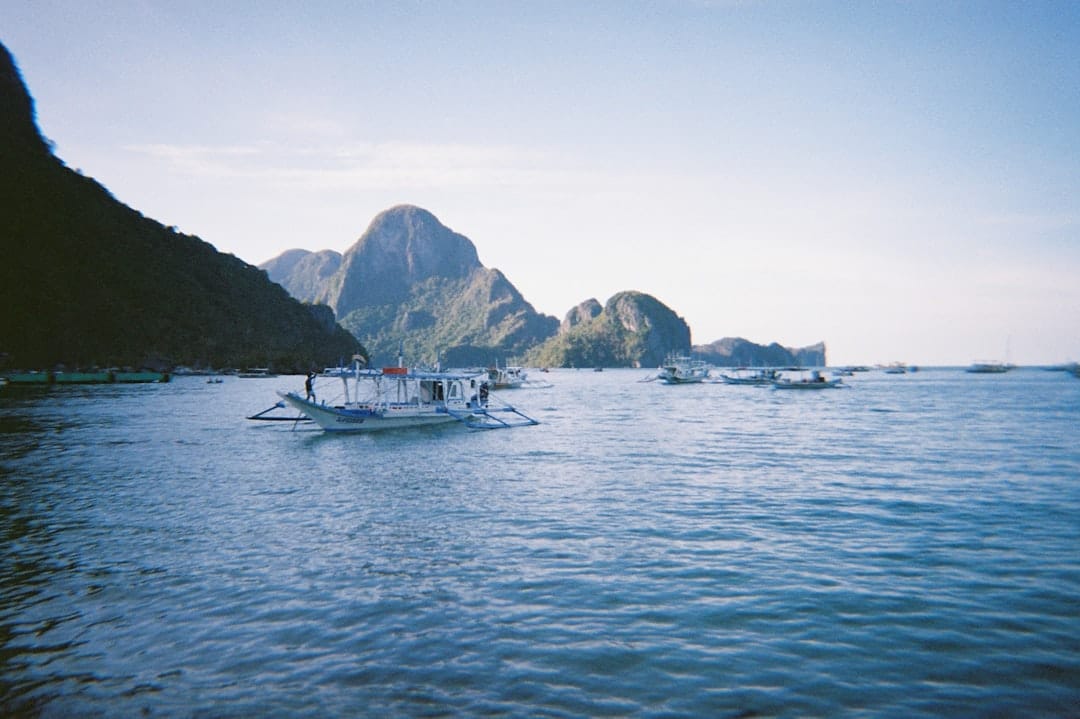
Getting to Negros Island is not organised around speed, efficiency, or seamless transfers.
It is organised around process, timing, and adjustment.
Understanding that one difference removes most of the frustration people experience while arriving here—and explains why journeys feel slower but often calmer once expectations realign.
This guide is not about the fastest route.
It’s about how getting here actually works.
What “Getting There” Means on Negros Island
On Negros, arrival is not a single action.
It’s a sequence.
People arrive through a mix of:
- ferries and ports
- regional airports
- long road transfers
- waiting periods that aren’t announced in advance
Each step functions independently. There is no assumption that connections must align perfectly.
Movement here fits around weather, demand, and daily operations—not the other way around.
Why Journeys Feel Longer Than Expected
Journeys feel longer because time is not compressed.
Delays happen because:
- ferries wait for loading to finish
- buses depart when full, not when scheduled
- flights are adjusted for weather and runway conditions
- transfers depend on what’s available at the moment
None of this is exceptional. It’s normal operation.
Expecting a tightly timed sequence is the fastest way to feel stressed.
Arrival Is a Transition, Not a Handover
Many places treat arrival as a handover: you exit one system and immediately enter another. Negros treats arrival as a transition.
Whether arriving via Bacolod–Silay Airport, Dumaguete Airport, or by ferry from Iloilo, Cebu, or Siquijor, there is usually a pause:
- time to orient
- time to wait
- time to negotiate next steps
This pause isn’t inefficiency. It’s how movement resets before continuing.
Ports, Airports, and the Gap Between Them
Arrival points are rarely final destinations.
Airports and ports sit outside daily life, not inside it. From there:
- transport must be arranged
- routes may change
- timing becomes flexible
For example:
- ferries into Bacolod or Dumaguete often arrive ahead of or behind schedule
- onward buses and vans operate on availability
- road conditions can add time without warning
Planning tight onward connections assumes predictability that doesn’t exist.
Why Weather and Time of Day Matter
Movement on Negros is sensitive to conditions.
- seas affect ferry schedules
- rain affects roads, especially outside town centres
- heat slows loading and unloading
- evening travel reduces options rather than expanding them
Arriving earlier in the day usually offers more flexibility—not because it’s faster, but because more systems are active.
Late arrivals aren’t a problem; they simply narrow choices.
How Locals Move Through Arrival
Local movement treats arrival as provisional.
People expect:
- to wait
- to adjust plans
- to ask twice
- to change routes
There is no pressure to “make time.” Time is absorbed.
This is why locals rarely appear stressed by delays. The journey includes them.
Why Trying to Optimise Makes Things Harder
Optimisation assumes:
- fixed schedules
- reliable handovers
- predictable availability
Negros operates without those guarantees.
Trying to:
- stack transfers
- minimise waiting
- arrive “just in time”
usually increases stress rather than reducing travel time.
Allowing gaps—without filling them—keeps the journey workable.
Where Movement Works Best
Movement becomes easier where daily transport systems overlap.
Town centres
Places like central Bacolod and Dumaguete offer:
- multiple transport options
- regular departures
- visible information
Arrival here feels less abrupt because daily movement is already happening.
Transport corridors
Routes connecting market towns tend to be more reliable because they serve locals first. Even when delayed, they continue.
Smaller ports and towns
These work on demand. Movement happens when conditions allow, not by the clock.
Understanding which system you’re entering matters more than distance.
Waiting Is Part of the Journey
Waiting is not an interruption here.
It’s a component.
Waiting happens:
- at ports
- at terminals
- on roadsides
- at transfer points
Trying to eliminate waiting misunderstands how movement is structured.
Once waiting is accepted, journeys feel steadier—even if they take longer.
What Makes Arrival Feel Calm
Arrival feels calmer when:
- you don’t rush the next step
- you accept incomplete information
- you allow plans to remain loose
Arrival feels stressful when:
- you expect certainty
- you try to control timing
- you treat delays as failures
The conditions are the same. The interpretation changes.
Getting There Without Overthinking It
There’s no need to master the system.
Simple habits help:
- arrive earlier rather than later when possible
- leave buffers between steps
- ask, then wait
- expect change
You don’t need a perfect route.
You need room to adjust.
Related Guides
- Getting Around Negros Island the Slow Way
- The Transfer Day Reality: Why Same Day Connections Go Wrong
- Why Overplanning Causes More Stress Than Freedom
Final Note
Getting to Negros Island isn’t something to optimise or overcome.
It’s something you move through.
Once you stop treating arrival as a problem to solve, the journey becomes part of the place—unhurried, imperfect, and workable on its own terms.
That’s usually when the stress lifts.