
Bus vs Van vs Jeepney Choosing Based on Time Not Speed
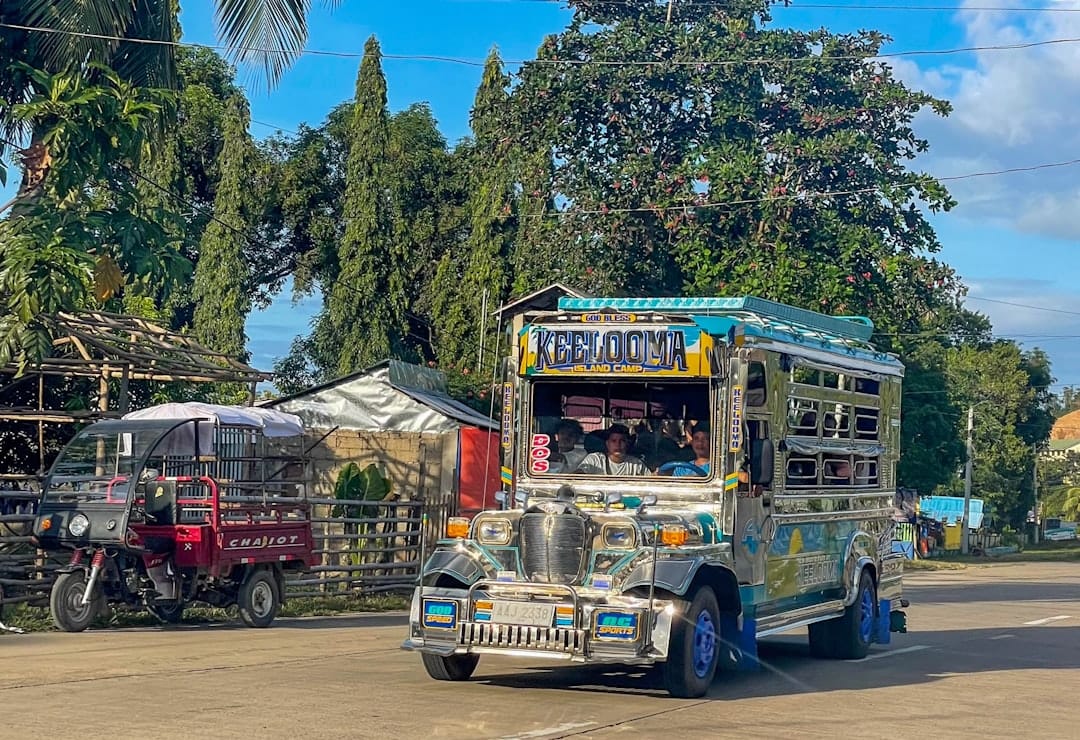
Choosing Based on Time, Not Speed
Transport on Negros Island is not organised around speed, efficiency, or optimisation.
It is organised around time, availability, and shared use.
Understanding that one difference removes most of the frustration people experience when moving around the island — and explains why journeys often feel slower, steadier, and less predictable than expected.
This guide is not about the fastest way to get somewhere.
It’s about how transport actually works, and why choosing based on time makes more sense than choosing based on speed.
What “Choosing Transport” Means on Negros Island
On Negros, transport isn’t selected the way it is in places built around schedules.
It’s selected based on what fits the day.
People don’t usually ask:
- Which is faster?
They ask:
- What’s running now?
- What will still be running later?
- How much time do I actually have?
Buses, vans, and jeepneys are not competing systems.
They overlap, cover different gaps, and appear and disappear throughout the day.
Speed is secondary.
Timing is everything.
Buses: Predictable, But Not Precise
Buses are the backbone of longer movement across Negros.
Routes linking places like Bacolod, San Carlos, Kabankalan, Dumaguete, and Bais exist because people rely on them daily — not because they move quickly.
Buses work best when:
- you have a half day or more
- you’re travelling between major towns
- you don’t need to arrive at a specific minute
They don’t work well when:
- you’re stacking tight plans
- you’re trying to “beat” the day
- you assume departure times are fixed
A bus may leave when it’s ready, not when the clock says so. Delays are normal. Stops are frequent. The journey fills the time available rather than racing through it.
This isn’t inefficiency.
It’s shared transport doing its job.
Vans: Faster Movement, Narrower Window
Vans are often described as faster, but that description is incomplete.
Vans work within narrower time windows. They tend to operate best:
- mid-morning to mid-afternoon
- between specific town pairs
- when enough passengers are present
They often run routes such as Bacolod to Sipalay, Dumaguete to Bayawan, or San Carlos to nearby hubs.
When conditions are right, vans move quickly.
When they’re not, waiting replaces speed.
Choosing a van makes sense when:
- your timing aligns with demand
- you’re flexible about departure
- you’re prepared to wait before moving
Speed happens inside the journey, not before it.
Jeepneys: Short Distance, Open Timing
Jeepneys are not designed for distance.
They’re designed for circulation.
They connect:
- neighbourhoods to town centres
- markets to residential areas
- short stretches along main roads
Jeepneys work best when:
- you’re moving locally
- you’re not in a hurry
- you’re adapting as you go
They don’t operate on schedules. They appear when there’s enough movement to justify it. Stops are informal. Routes bend slightly based on use.
Jeepneys are chosen because:
- time is open
- distance is short
- waiting is expected
They fill gaps buses and vans don’t.
Why Speed Is the Wrong Comparison
Comparing bus, van, and jeepney by speed alone leads to frustration because speed isn’t the limiting factor.
The real constraints are:
- when transport starts running
- when it stops
- how long loading takes
- how many people are moving that day
A van that moves fast but leaves late doesn’t save time.
A bus that takes longer but runs consistently often does.
The right question isn’t which is faster.
It’s which fits the time I actually have.
How Time Shapes Transport Choices
On Negros, time is not broken into tight blocks.
People often move when:
- errands are done
- food has been eaten
- weather has settled
- other tasks are complete
Transport fits into the day rather than structuring it.
This is why:
- early mornings favour buses
- mid-day favours vans
- late afternoons thin out quickly
- evenings slow dramatically outside cities
Choosing transport without accounting for time of day usually leads to waiting.
Town Centres vs Rural Stretches
Transport behaves differently depending on where you are.
Town centres
In places like central Bacolod or Dumaguete, options overlap:
- buses pass through
- vans queue intermittently
- jeepneys circulate constantly
Waiting is shared and visible.
Smaller towns and rural areas
Outside major centres, transport becomes:
- less frequent
- more conditional
- more dependent on demand
Here, choosing the “wrong” option doesn’t slow you down — it stops you until something else appears.
This isn’t a problem.
It’s how shared systems protect themselves from running empty.
Why Locals Rarely Rush Transport
Rushing doesn’t improve outcomes here.
Locals don’t hurry transport because:
- leaving earlier doesn’t guarantee arrival sooner
- waiting is built into the system
- alternatives appear naturally
Instead of forcing a choice, people wait until something fits.
This makes movement feel calmer, even when it takes longer.
Choosing Based on Time Available
A simpler way to choose transport is to start with time, not vehicle.
- If you have the morning: bus
- If you have a mid-day window: van
- If you’re moving locally with open time: jeepney
This approach aligns with how the system already works.
Trying to force speed into the equation usually works against you.
What to Expect (Without Optimising)
Transport on Negros includes:
- waiting without explanation
- stops that aren’t announced
- delays that resolve themselves
- journeys that take the time they take
None of this is a failure of the system.
It is the system.
Once you stop measuring movement by minutes saved, it becomes easier to move through the island without friction.
Related Guides
- Getting Around Negros Island the Slow Way
- The Real Cost of Private Drivers vs Public Transport
- Spending Local vs Spending Convenient
Final Note
Buses, vans, and jeepneys on Negros Island are not competing for speed.
They exist to fill different parts of the day.
When you choose based on time available, movement becomes predictable — even when it’s slow.
Not because it’s optimised,
but because it’s working exactly as intended.