
The Real Cost of Private Drivers vs Public Transport
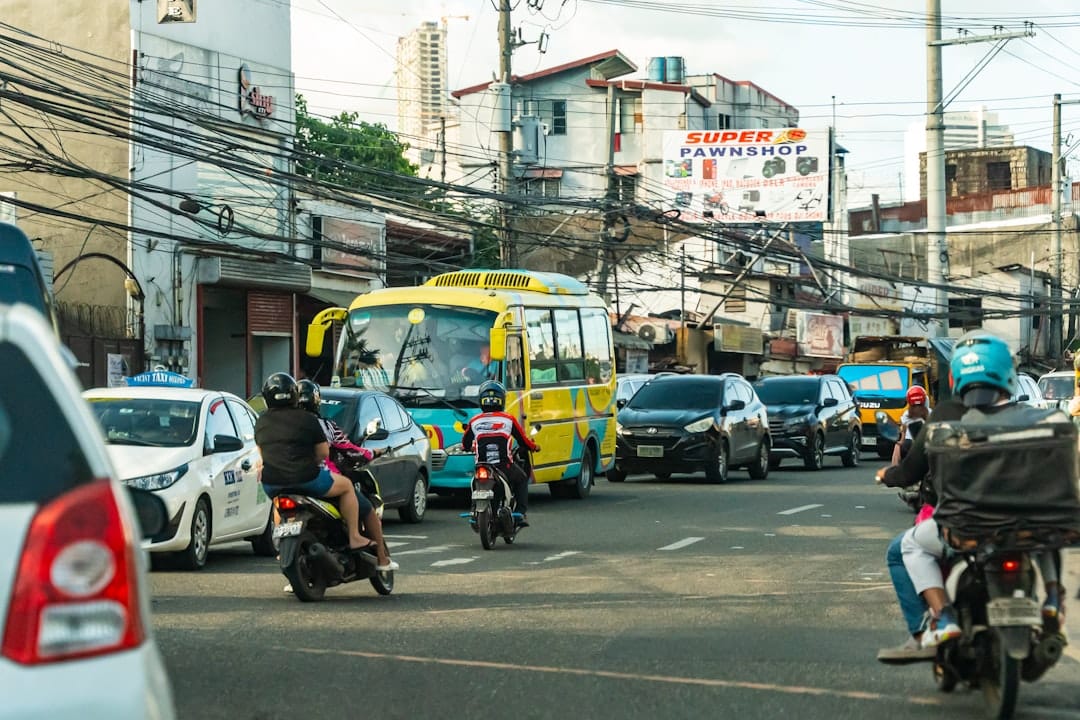
Getting around Negros Island is not organised around speed, efficiency, or getting the “best deal.”
It is organised around availability, timing, and tolerance for uncertainty.
Understanding that one difference explains why transport costs here often feel inconsistent, why private drivers and public transport serve very different roles, and why comparing them purely on price usually leads to frustration.
This guide is not about choosing the cheapest option.
It’s about what travel actually costs once time, waiting, and conditions are taken into account.
What “Cost” Means When Moving Around Negros
On Negros, the cost of transport is not a fixed number.
It’s a combination of:
- how far you’re going
- when you’re travelling
- how predictable the route is
- how much waiting you accept
Money is only one part of that equation.
A jeepney fare, a bus ticket, or a negotiated driver fee reflects different assumptions about time, flexibility, and responsibility. None of them exist to optimise the journey.
They exist to make movement possible.
Public Transport: Cost Built Around Routine
Public transport on Negros — buses, jeepneys, multicabs, tricycles — is priced around daily use.
It assumes:
- people are not in a hurry
- routes will be shared
- schedules will shift
- stops will be frequent
Fares are low because costs are spread across many riders and repeated trips.
But that low monetary cost comes with trade-offs:
- waiting for vehicles to fill
- indirect routes
- pauses for loading, unloading, or weather
- limited service late at night
This isn’t inefficiency.
It’s how shared transport works when demand is uneven and fuel costs matter.
Where Public Transport Works Best
Public transport functions most smoothly where daily movement is concentrated.
Town corridors
Routes between towns such as Bacolod–Silay, Bacolod–San Carlos, or Dumaguete–Bais benefit from:
- regular passenger flow
- predictable demand
- multiple departures
Here, buses and jeepneys feel reliable because routine supports them.
Market and school routes
Early mornings and mid-afternoons tend to be the most active, because transport aligns with work, school, and market timing.
Outside these windows, service thins out.
Private Drivers: Cost Built Around Responsibility
Hiring a private driver shifts cost away from shared routine and onto individual responsibility.
You’re not paying just for distance.
You’re paying for:
- fuel
- vehicle wear
- the driver’s time
- uncertainty (traffic, weather, delays)
A private driver absorbs the variability that public transport distributes across many people.
That’s why private trips cost more even when distances are short.
Why Private Transport Feels “Easier”
Private drivers reduce friction.
They:
- leave when you’re ready
- follow direct routes
- wait if plans change
- adjust to conditions
This doesn’t make them faster in absolute terms — Negros roads and traffic limit that — but it makes delays personal rather than shared.
The cost difference reflects who carries the inconvenience.
Where Private Drivers Make Sense
Private transport tends to make sense when:
- routes are indirect or poorly served
- travel is outside normal hours
- weather disrupts schedules
- carrying goods or luggage
- travelling to upland or rural barangays
Trips into interior areas, upland zones near Canlaon, or scattered coastal roads often fall into this category.
Here, cost reflects access rather than luxury.
The Hidden Costs of “Cheap” Transport
Low fares don’t mean low cost.
Public transport often costs more in:
- time
- uncertainty
- physical effort
- missed connections
Waiting for a jeepney to fill, stopping frequently, or being rerouted isn’t a failure of the system. It is the system.
For people used to fixed schedules, that cost can feel higher than expected.
Why Comparing Prices Misses the Point
Comparing a bus fare to a private driver fee ignores the fact that they solve different problems.
Public transport answers:
“How do people move every day?”
Private transport answers:
“How do I move when routine doesn’t fit?”
They’re not competing services.
They coexist because daily life needs both.
Timing Matters More Than Distance
On Negros, timing often matters more than kilometres.
A short trip at the wrong time can take longer than a long trip at the right one.
Factors that affect cost and experience:
- midday heat
- school dismissal times
- market hours
- rain
- road repairs
These affect public and private transport differently, but neither can fully avoid them.
How Cost Shapes Movement Habits
Because of these realities, people adapt.
Locals often:
- plan trips around availability, not urgency
- combine errands into one journey
- wait rather than rush
- accept delays as normal
Transport cost reinforces patience, not speed.
Paying Without Turning It Into a Calculation
There’s no need to optimise transport choices here.
Simple approaches work best:
What to accept:
- waiting
- shared space
- changes in plan
What to avoid:
- expecting fixed timing
- comparing every fare
- treating delays as failures
Movement on Negros works when expectations stay flexible.
Related Guides
Final Note
The real cost of moving around Negros Island isn’t found on a fare board or in a negotiation.
It’s paid in time, patience, and adaptability — whether you share the load with others or carry it yourself.
Once you understand that, transport becomes easier to live with — not because it’s faster, but because it makes sense.