
Scooter Rental in Negros: Costs, Requirements, and When It’s Worth It
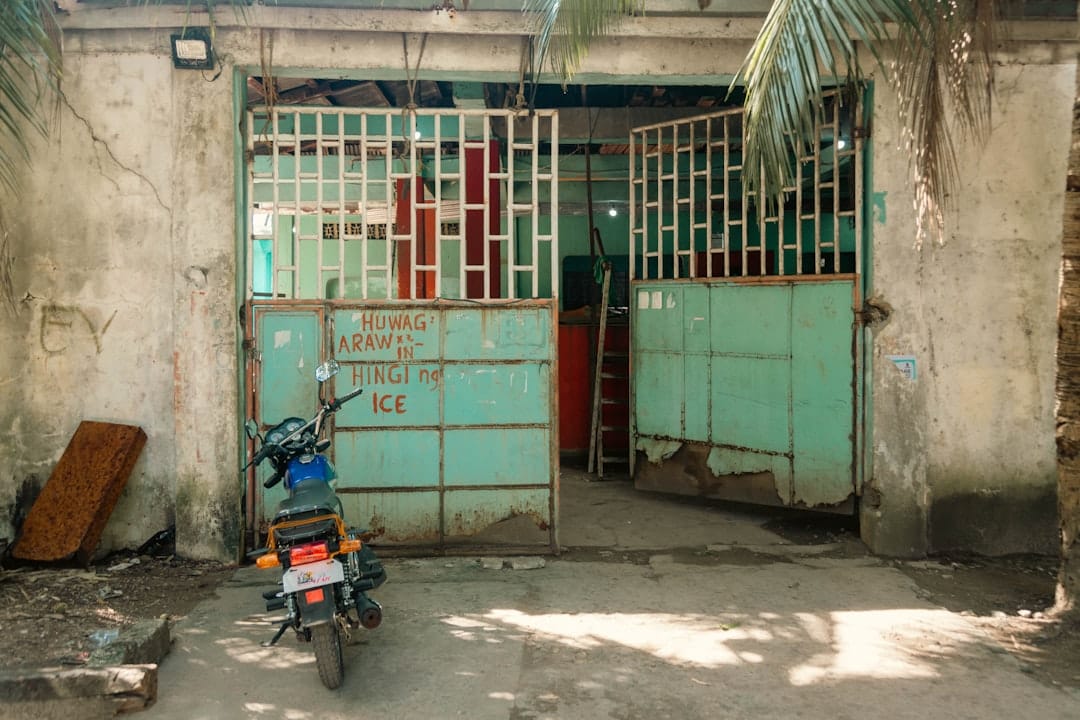
A scooter is the default independence machine on Negros, and on the Oriental side renting one is a mature industry. Whether it’s the right call depends on where you’re based and what you’re doing, because the island’s other transport is cheap enough that the scooter has to earn its keep.
What it costs
Daily rental for a 110–125cc automatic, the Honda Click/Yamaha Mio class that is 90% of the fleet, runs ₱350–500 a day around Dumaguete and Dauin, less for a week, and ₱4,500–7,000 a month on a negotiated long-term rate, which is where the economics get interesting. Bigger semi-automatics and 150cc bikes carry a premium. Fuel is the cheap part: these machines sip, and ₱150–200 fills a tank that covers a couple of days of local running. Sipalay and Siquijor rent at similar rates; Bacolod has far fewer walk-in rentals because it’s a city of residents with their own wheels, and there you’re looking at rental shops rather than a guesthouse noticeboard.
What you legally need
A valid motorcycle license. A foreign license works for your first 90 days in the country, provided it covers motorcycles, a car-only license does not, and an International Driving Permit alongside it removes arguments at checkpoints. After 90 days of stay you’re meant to convert to a Philippine LTO license. Helmets are law for rider and passenger, checkpoints do check, and the fine is real. The bike should come with its OR/CR papers (registration) in the underseat compartment; ask, because riding a bike without papers makes any checkpoint stop long.
Two practices to refuse politely: leaving your passport as deposit, offer a photocopy plus cash deposit instead, since your passport shouldn’t sit in a drawer you don’t control, and taking a bike with no agreed damage list, photograph everything, both of you, before you ride off.
The insurance reality
Assume there isn’t any that covers you. Rental scooters carry the compulsory third-party minimum at best, your travel insurance likely excludes riding without a motorcycle license (and some exclude two wheels entirely), and any damage to the bike is a cash conversation with the owner. This is the single most under-priced risk in the whole arrangement: the ₱400 daily rate is real, and so is the ₱15,000 conversation after a spill. Read your travel policy’s two-wheel clause before renting, not after.
When it makes sense
Based in Dauin, Valencia, Zamboanguita, or Sipalay: yes, almost unconditionally. These are scooter places, strung-out coastlines and hill roads where the distances are short, the traffic thin, and the alternative is waiting for tricycles that price by mood after dark. A month in Dauin without a scooter is a month of negotiating.
Based in Dumaguete proper: optional. The city itself is tricycle-saturated and walkable at the center; the scooter earns its keep the day you start doing the coast and the hills, Twin Lakes, the falls, Malatapay, which most people do constantly. Most long-stayers end up renting.
Based in Bacolod: mostly no. It’s a real city with city traffic, taxis, and jeepney lines; the scooter case only appears when you start doing the countryside regularly, and at that point many residents buy rather than rent.
Touring the island: the honest answer is that Ceres does the long hauls better. Bacolod to Dumaguete on a 125cc scooter is a 6–8 hour endurance event through cane trucks and mountain rain; the strong pattern is bus between bases, scooter at each base.
When it doesn’t
At night outside town, where unlit roads, unlit tricycles, dogs, and carabao-drawn anything share the lane. In serious rain, when the first twenty minutes make the road a skating rink. After drinking, at all, checkpoints multiply on fiesta nights for exactly this reason. And for anyone who has never ridden: the Philippines is a place to arrive as a rider, not to become one, and the Dauin coast road’s steady trickle of bandaged tourists is the evidence. If you’re new to two wheels, the habal-habal driver who has done the mountain road ten thousand times costs ₱100 and knows where the dogs are.
The alternatives it competes with
Tricycles handle everything under 10 km for ₱15–50 (shared) or ₱100–200 (special trip, negotiated). Habal-habal, the motorcycle taxi, covers the hill barangays and rough roads for similar money and includes a driver who knows them. Ceres and the vans do the intercity legs for a few hundred pesos in air conditioning. The scooter beats all three the moment your days involve multiple stops, spontaneous turns, or anywhere the tricycles don’t wait, which is to say: it’s not a transport decision, it’s a lifestyle one, and on the Dauin coast the lifestyle usually wins.
Related Guides
- Getting Around Negros Island the Slow Way
- Rainy Season Transport: What Changes, What Doesn’t
- Safety Without Paranoia: Common Sense in Rural Areas