
What to Pack for Negros That You Wont Regret Later
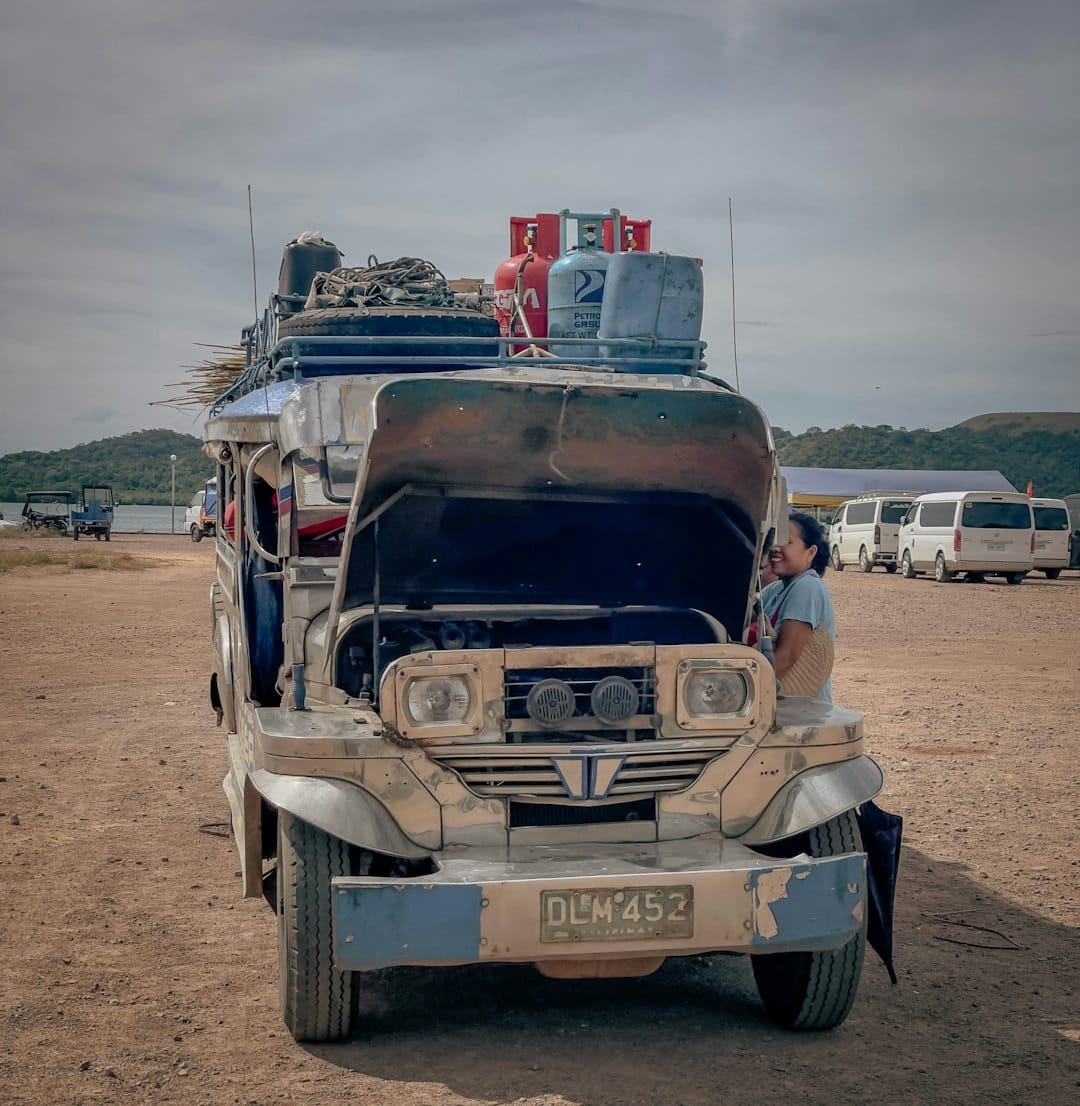
Travel on Negros Island is not organised around speed, certainty, or seamless transitions.
It is organised around process, waiting, and adjustment.
Understanding that one difference explains why some items matter far more than expected — and why others, often packed carefully, end up unused.
This guide is not about packing light or packing smart.
It’s about packing for how movement actually works once you arrive and start moving through the island.
What Packing Really Responds To on Negros
Packing for Negros is less about destinations and more about conditions between places.
Those conditions include:
- irregular schedules
- weather changes mid-day
- unplanned waiting
- limited storage and seating
- heat and humidity during movement
Items earn their place in your bag if they make these in-between moments easier. Items packed for ideal scenarios tend to be carried, not used.
Why “Just in Case” Items Matter More Than “Just in Time”
On Negros, things rarely fail outright. They simply don’t align perfectly.
A ferry runs later than planned.
A bus stops longer than expected.
A van fills slowly.
A road closes briefly due to rain.
Packing that assumes constant progress creates friction. Packing that allows pause reduces it.
This is why a few flexible, low-maintenance items are often more valuable than specialised gear.
Clothing That Works With Movement, Not Against It
Clothing choices matter most when you’re between places, not once you arrive.
Practical clothing tends to be:
- breathable
- quick-drying
- easy to change in small spaces
- comfortable while sitting or standing for long periods
In towns like Bacolod or Dumaguete, movement often involves short walks, waiting, then sitting again. In upland or coastal routes, heat and wind can shift quickly.
Packing fewer items that dry overnight is usually more useful than packing many options.
Footwear for Transitions, Not Terrain
Most movement on Negros involves mixed surfaces:
- paved roads
- uneven sidewalks
- steps onto boats or vehicles
- wet ground after rain
Footwear that is:
- easy to remove
- tolerates water
- dries quickly
tends to be used more often than footwear chosen for appearance or single activities.
You rarely need specialised shoes — but you often need ones that don’t mind getting dusty, damp, or worn.
Small Items That Reduce Waiting Friction
Waiting is a normal part of getting around Negros.
Items that quietly help include:
- a refillable water bottle
- light snacks that don’t melt
- a small towel or cloth
- basic sun protection
These aren’t luxuries. They simply acknowledge that waiting happens outdoors, on platforms, or inside vehicles without climate control.
Packing for waiting reduces the urge to rush.
Power, Charging, and Uncertainty
Electricity access varies by place and timing.
In towns, charging is usually available eventually.
In transit, it often isn’t.
A small power bank matters more than multiple cables.
Simple charging setups matter more than fast ones.
This is especially noticeable on longer routes between cities or when moving through smaller towns.
Bags That Fit the Way Transport Works
Transport on Negros rarely involves large luggage handling systems.
Movement often includes:
- lifting bags yourself
- placing them on roofs or between seats
- keeping them close in crowded vehicles
Bags that are:
- manageable in tight spaces
- easy to carry short distances
- not overly rigid
tend to be less stressful than larger, structured luggage.
This matters more than weight alone.
What You Don’t Need to Overpack
Many people bring items anticipating inconvenience that never appears.
You generally don’t need:
- multiple adapters
- extensive toiletries
- specialised travel accessories
- contingency outfits
Most daily needs are available locally, especially in larger towns. What’s harder to source quickly are comfort items during transit, not finished goods.
How Weather Changes What Matters
Weather on Negros influences packing less through extremes and more through variability.
Rain can arrive suddenly.
Heat can intensify after midday.
Evenings can cool quickly in upland areas like Valencia.
Light layers and water-tolerant materials handle this better than heavy preparation.
Packing for adaptability works better than packing for prediction.
Why Packing Light Helps With Process, Not Speed
Packing lighter does not make travel faster here.
It makes it less demanding.
Fewer items mean:
- easier loading
- quicker adjustments
- less worry during transfers
This is not about efficiency. It’s about reducing the number of things that can complicate an already variable process.
What “Regret” Usually Looks Like
Packing regret on Negros rarely comes from forgetting something essential.
It usually comes from:
- carrying unused items through heat
- managing awkward bags in tight spaces
- having clothing that doesn’t dry
- needing hands free and not having them
Packing that supports movement, waiting, and repetition avoids most of this.
Related Guides
Final Note
Packing well for Negros Island isn’t about anticipating every outcome.
It’s about being comfortable when plans stretch, pause, or shift.
When your bag works with that reality, getting around feels calmer — not because it’s faster, but because it asks less of you.
That’s usually when you stop thinking about what you packed at all.