
Food Availability vs Preference on Negros Island
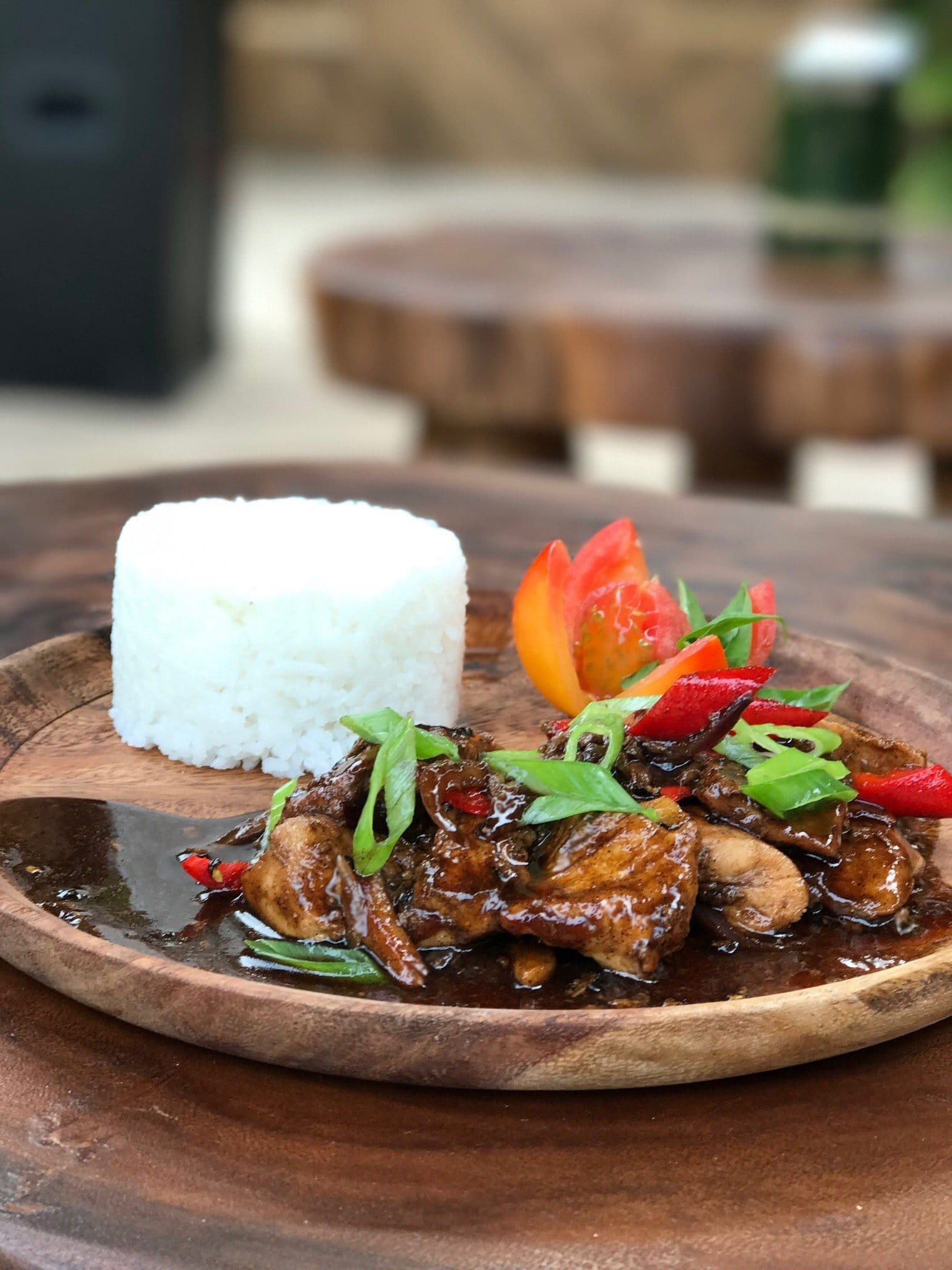
Food on Negros Island is not organised around preference, customisation, or guaranteed choice.
It is organised around what arrived that day, what can be cooked simply, and what people expect to eat as part of their routine.
When those two systems meet — expectation versus availability — discomfort often shows up. Not because anything is wrong, but because the food system here is doing exactly what it is meant to do.
This guide is not about finding alternatives or fixing the situation.
It’s about how this moment fits into how food actually works on Negros Island.
What “Not Liking What’s Available” Means on Negros Island
On Negros, not liking what’s available is not treated as a problem to be solved.
It is treated as a normal outcome of a system that prioritises routine over choice.
Food is prepared:
- from what arrived that morning
- by small kitchens with limited scope
- for people who already know what they will eat that day
There is no assumption that every diner will find something they personally enjoy at every meal. The system is designed to feed many people reliably, not to satisfy individual preference at all times.
This is why moments of mismatch feel sharper here than in places where menus exist primarily to absorb preference.
Why Choice Is Limited (and Why That’s the Point)
Choice is limited because food is produced in real time, not held in reserve.
Most local kitchens:
- cook a small number of dishes
- rely on daily market supply
- prepare food in batches meant to sell through
- stop cooking once the planned food is gone
Adding more dishes would mean more waste, more cost, and more labour. The system avoids that by narrowing choice instead of expanding it.
This isn’t a lack of hospitality.
It’s a different priority.
Food here is designed to be dependable, not endlessly adaptable.
Availability vs Preference
To understand this moment, it helps to separate two ideas.
Availability
Availability answers the question: What can reasonably be cooked today?
That depends on:
- what ingredients arrived
- how much time the kitchen has
- how many people are eating
- what is expected at that hour
Availability is practical and shared.
Preference
Preference answers the question: What do I feel like eating right now?
Preference is individual. On Negros, it does not drive the system.
When preference meets availability and they don’t align, the system does not change course. It continues to serve what it was built to serve.
Markets and the Shape of the Day
To understand why this happens, you have to understand markets first.
Morning markets
Markets operate early because:
- fish arrives at dawn
- vegetables are freshest before heat builds
- households plan meals early
By mid-morning, many decisions are already locked in. What will be cooked later has largely been decided.
Markets are not places where endless options appear throughout the day. They are where the day’s food is defined early.
Carinderias
Carinderias exist downstream from markets.
They cook:
- what was bought that morning
- what locals expect to eat that day
- what can be prepared efficiently
If what’s available doesn’t appeal to you, that usually means the kitchen has already fulfilled its purpose. The food was never meant to cover every taste.
This isn’t inflexibility.
It’s alignment with supply.
When Restaurants Feel Different
Restaurants operate under a slightly different logic, but not a completely separate one.
They work best:
- later in the day
- in town centres
- when demand is spread out
Even then, menus may still be shorter than expected, and substitutions limited. Restaurants here still depend on daily supply and staffing realities.
Expecting restaurant-style abundance at peak local eating times often leads to disappointment, especially around lunch.
Where This Situation Happens Most Often
Moments of “I don’t like what’s available” tend to happen in specific contexts.
Market-adjacent areas
Near markets, food reflects that day’s supply closely. Choice is narrow, but food is fresh and routine-driven.
Midday eating windows
Lunch is the main cooked meal of the day. Kitchens are busiest, not most flexible.
Smaller towns
In places outside major centres, fewer kitchens are operating at once. The system is even more streamlined.
None of these are signs of neglect. They are signs of a system doing less, on purpose.
How This Shapes the Eating Day
When food preference doesn’t align with availability, the day doesn’t stop. It simply adjusts.
Meals might be:
- simpler
- repeated
- skipped or delayed
- eaten later, closer to home
This isn’t treated as disruption. It’s normal variation within a stable system.
Trying to force alignment — by searching, substituting, or demanding change — often creates more friction than relief.
Living With the Mismatch
On Negros Island, eating is not a constant performance of satisfaction. It is a daily practice.
Some meals are exactly what you want.
Some are just food.
Some are passed over.
This unevenness is built into the system. It allows kitchens to function, markets to clear, and daily life to stay predictable.
Supporting the System Without Overthinking It
You don’t need to resolve the mismatch.
What fits the system
- eating what is available
- accepting repetition
- understanding that “sold out” is final
What works against it
- expecting variety at every meal
- treating preference as urgency
- assuming alternatives must exist
Everyday habits
- waiting without pressure
- choosing simply
- letting one meal be unimportant
These habits reduce friction without changing the system.
Related Guides
- Slow Food in Negros Island: Eating Local Without Rushing
- How Food Availability Changes by Town and Day
- Who Slow Travel in Negros Is Not For
Final note
Not liking what’s available on Negros Island isn’t a problem to solve.
It’s a moment where personal preference meets a system designed for continuity, not choice.
The system doesn’t adjust — it carries on, exactly as it was built to do.