
Why Breakfast Culture Is Different in Negros
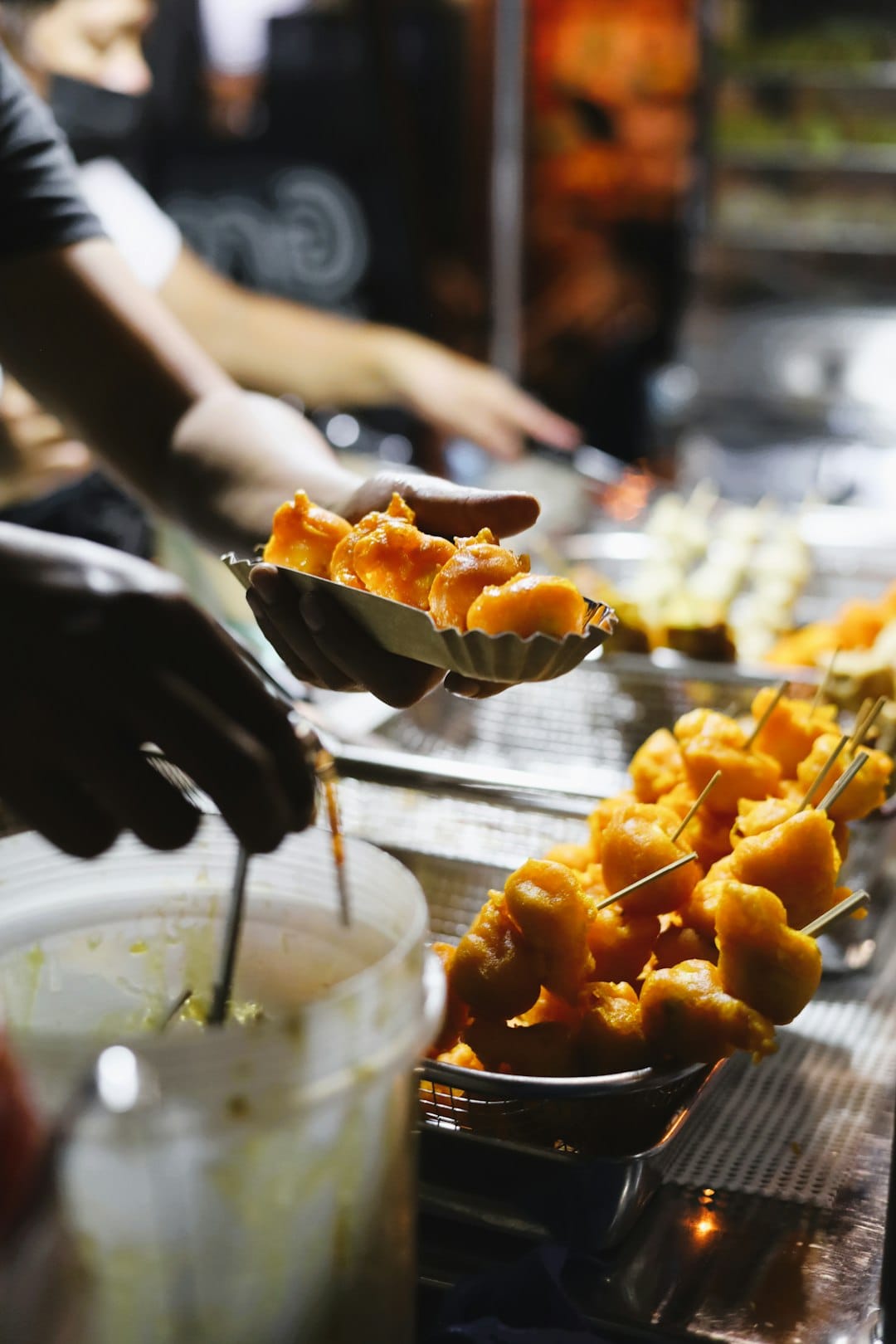
Food on Negros Island is not organised around morning routines borrowed from elsewhere.
It is organised around early movement, market timing, and preparation for the day ahead.
Understanding that one difference explains why breakfast here often feels lighter, less formal, and sometimes almost invisible — and why looking for a familiar “breakfast culture” can feel confusing at first.
This guide is not about what to eat for breakfast.
It’s about how mornings actually work.
What “Breakfast” Means on Negros Island
On Negros, breakfast is not a distinct event separated from the rest of the day.
It’s part of starting the day’s work.
For many households, breakfast happens:
- early
- simply
- at home
- before leaving
It’s not treated as a social meal, a leisure activity, or a time to linger. It exists to prepare people for what comes next.
Because of this, breakfast is often smaller, repetitive, and practical — and rarely framed as something to go out for.
Why Mornings Start Earlier Than Expected
Daily life on Negros starts early because many systems depend on morning conditions.
- markets operate before heat builds
- fish arrives at dawn
- deliveries move before traffic
- workdays begin early to avoid midday intensity
By the time many visitors think about breakfast, large parts of the food system are already active — or winding down.
This timing shapes what’s available and when.
Morning Markets, Not Morning Cafes
To understand breakfast here, you have to understand morning markets.
In public markets in places like Bacolod, Silay, Dumaguete, or San Carlos, mornings are focused on buying ingredients, not eating prepared meals.
Market food in the morning tends to be:
- snacks
- simple rice-based items
- small portions eaten quickly
- food meant to carry, not sit with
Markets exist to supply the day, not host it.
By mid-morning, most people involved in food preparation are already cooking for lunch.
Carinderias and the Missing Breakfast Window
Carinderias don’t usually serve breakfast in the way visitors expect.
That’s because they operate on the same rhythm as markets.
Most carinderias:
- open after sourcing is complete
- prepare food for lunch first
- cook in batches meant to sell steadily
Breakfast food is often limited to leftovers from the night before or simple items prepared quickly.
This isn’t neglect. It’s prioritisation.
Lunch is the main cooked meal of the day, so kitchens focus their energy there.
Why Breakfast Feels “Light”
Breakfast on Negros is often described as light, but that’s misleading.
It’s not about calories or diet — it’s about function.
Breakfast is meant to:
- keep people going until midday
- avoid heavy cooking early
- use what’s already available
Rice, simple fried items, bread, or leftovers are common because they’re efficient, not because they’re traditional in a symbolic sense.
The goal is to start moving, not to sit.
Restaurants and the Imported Breakfast Idea
Full breakfast menus tend to appear in places designed for visitors or later-rising schedules.
Restaurants that serve breakfast usually:
- open later than markets
- operate in town centres
- follow fixed menus
- assume breakfast is a leisure meal
These places work for people who want that experience — but they’re operating on a different clock.
Expecting that model everywhere leads to the impression that breakfast is “missing,” when in reality it has already happened elsewhere.
Town Centres vs Neighbourhood Mornings
Where you are affects how visible breakfast feels.
Town centres
In central areas of Bacolod or Dumaguete, breakfast food is easier to find later in the morning because:
- foot traffic is mixed
- schedules are more varied
- visitor-oriented businesses operate
Neighbourhoods and barangays
In residential areas, breakfast is mostly private.
By the time streets are active, people have already eaten and moved on.
This difference is about visibility, not availability.
How Breakfast Shapes the Rest of the Day
Because breakfast is simple and early, it doesn’t anchor the day the way lunch does.
This leads to patterns like:
- longer gaps between meals
- heavier midday eating
- quieter evenings
Trying to recreate a familiar breakfast ritual often adds friction where none is needed.
Once you accept that breakfast isn’t the centre of the day, everything else lines up more easily.
What Breakfast Isn’t Used For
On Negros, breakfast is generally not used for:
- social planning
- meetings
- extended conversation
- variety or experimentation
Those functions shift to later meals.
This is why breakfast rarely carries emotional or cultural weight in the way it does elsewhere. It’s functional, not expressive.
Adjusting Without Overthinking It
There’s no need to solve breakfast.
What works best is:
- eating what’s available
- eating earlier rather than later
- keeping it simple
- not waiting for a “proper” meal
Once you stop expecting breakfast to perform a role it doesn’t have here, mornings feel calmer.
Related Guides
- Slow Food in Negros Island: Eating Local Without Rushing
- What to Eat First in Negros If You Want the Local Rhythm
Final Note
Breakfast culture on Negros Island isn’t different because something is missing.
It’s different because something else matters more.
Once you stop treating breakfast as an event and start seeing it as preparation, mornings make sense — and the rest of the day follows naturally.