
Gifts Sharing and Reciprocity What’s Normal
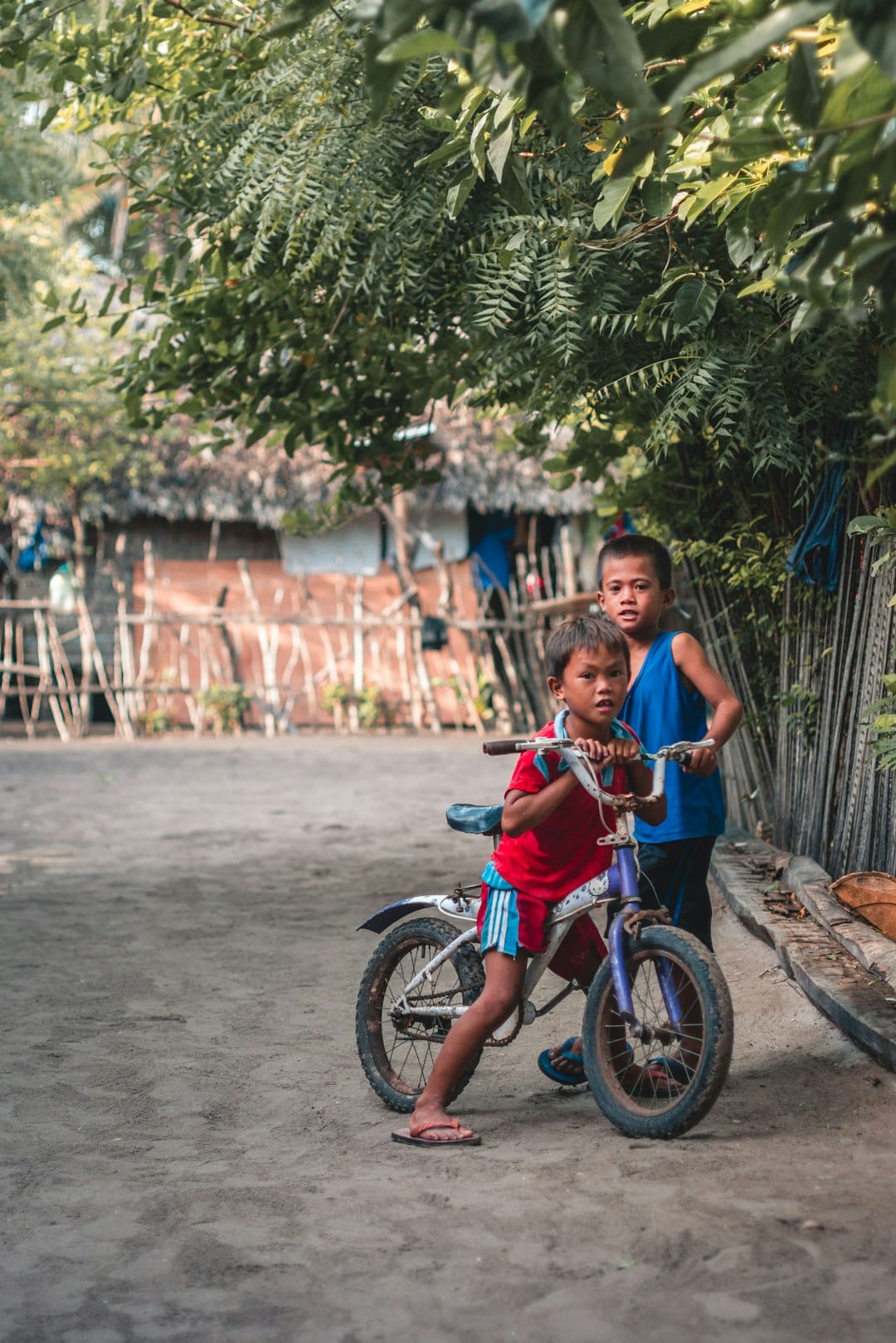
Daily life on Negros Island is not organised around transactions, balance sheets, or keeping score.
It is organised around relationships, timing, and shared obligation.
Understanding that one difference explains why gifts are offered casually, why sharing often happens without discussion, and why reciprocity is expected — but rarely immediate or explicit.
This guide is not about what you should give.
It’s about how giving and receiving actually works as part of everyday life.
What “Gifts” Mean on Negros Island
On Negros, gifts are not primarily symbolic or celebratory.
They are practical, situational, and relational.
A gift is often:
- something available rather than chosen
- something excess rather than special
- something given because of proximity, not occasion
Food, fruit, cooked dishes, small household items, and shared use of resources are the most common forms.
Gifts are rarely announced. They simply appear.
Sharing as a Default, Not a Gesture
Sharing on Negros is not framed as generosity.
It is a baseline social behaviour.
This shows up daily:
- extra food passed to neighbours
- produce shared after harvest or market trips
- cooked meals divided without discussion
- transport, tools, or space offered when needed
Because sharing is normal, it doesn’t carry the emotional weight it might elsewhere. There is no expectation of thanks beyond acknowledgment.
Refusing to share when able is more noticeable than sharing itself.
Why Reciprocity Is Not Immediate
Reciprocity on Negros does not operate on a short timeline.
When something is given, it is not expected to be returned quickly, equally, or in the same form. The return may happen:
- weeks later
- during a different situation
- through a different household member
- indirectly, without reference to the original act
This is why trying to “repay” a gift immediately can feel awkward. It interrupts the rhythm.
Balance is maintained over time, not per exchange.
Everyday Examples of How This Works
In towns and barangays around Silay, Bacolod, Dumaguete, or smaller places like San Carlos or Bais, the pattern repeats quietly.
You’ll see:
- neighbours sharing cooked food after market days
- fruit passed across fences during harvest
- small amounts of rice or ingredients lent without formality
- help offered first, discussed later
These acts are not recorded or referenced again. They remain part of an ongoing relationship.
Why Money Is Treated Differently
Money exists within these systems, but it is handled carefully.
Cash gifts are usually reserved for:
- specific needs
- emergencies
- formal occasions
Everyday sharing relies more on goods, food, and time.
Using money too quickly can signal distance rather than closeness. It can turn a shared moment into a transaction, which is often avoided in daily contexts.
Family, Extended Households, and Obligation
Reciprocity is strongest within family networks, but it does not stop there.
Extended households and long-standing neighbours operate on shared expectation:
- support moves outward when needed
- resources flow toward pressure points
- obligation is assumed, not negotiated
This doesn’t mean everyone gives equally. It means contribution follows capacity.
The system flexes, rather than balancing precisely.
Why Refusal Feels Different Than Elsewhere
Saying “no” to sharing is not usually confrontational — but it is remembered.
Refusal is often interpreted as:
- inability rather than unwillingness
- distance rather than boundary
People adjust quietly. Requests stop. Expectations shift.
This isn’t punishment. It’s recalibration.
Social systems here adapt rather than argue.
Gifts Without Sentimentality
One of the most noticeable differences is the lack of ceremony.
Gifts are rarely wrapped.
They’re rarely described as gifts.
They’re rarely discussed afterward.
A plastic bag of fruit, a container of food, or a shared meal doesn’t need explanation. The meaning lies in the act, not the presentation.
Why Overthinking Causes Friction
People unfamiliar with this rhythm often overthink giving.
They:
- worry about value
- worry about fairness
- worry about return
- worry about obligation
This creates tension where none existed.
The system works best when gifts are treated lightly and allowed to move on.
Timing Matters More Than Value
On Negros, when something is given matters more than what it is.
A small contribution at the right moment carries more weight than a larger one offered at the wrong time.
This is why:
- food is shared when it’s fresh
- help is offered when needed, not scheduled
- reciprocity waits for the appropriate moment
Timing aligns actions with daily reality.
How This Shapes Daily Life
Because sharing is normal and reciprocity is extended over time:
- people rely less on formal systems
- households remain interconnected
- support appears quietly
- social bonds are reinforced through use, not talk
Nothing dramatic happens.
Life simply holds together.
Related Guides
Final Note
Gifts and sharing on Negros Island are not performances, signals, or transactions.
They are part of how people remain connected over time.
Once you stop trying to measure or manage them, they make sense on their own — quietly, repeatedly, and without comment.
That’s how they’re meant to work.