
The Minimum Harm Packing List : Reusable and Realistic
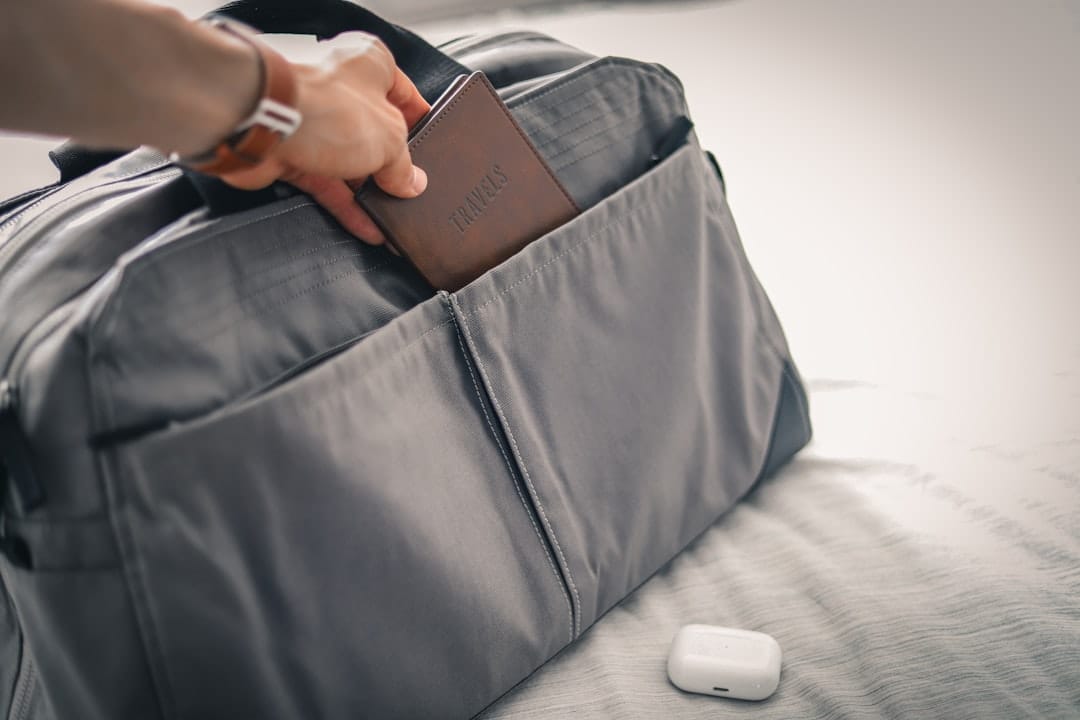
Arriving on Negros Island with less, and with items that can be used repeatedly, fits more naturally into daily life than arriving prepared for constant replacement and disposal.
Across towns like Bacolod, Dumaguete, Kabankalan, and Bais, everyday systems are built around reuse, repair, and making do with what is available locally. Plastic still exists, of course, but so do habits shaped by market routines, sari-sari store refills, and households that do not throw things away lightly.
Packing with “minimum harm” in mind here is not about perfection or performance. It is about bringing a few durable things that reduce waste without creating extra work for the people around you.
This is not a gear checklist for efficiency.
It is a way to arrive more gently.
What “Minimum Harm” Means in Daily Life on Negros
On Negros Island, low-waste living is not a trend. It is often simply economic and practical reality.
In public markets in places like La Carlota or Tanjay, vendors wrap goods in old newspaper, reuse thin plastic bags, or expect buyers to bring their own containers. Water is commonly bought in large refillable containers for the household. Glass bottles are returned. Cooking oil may be poured into a reused bottle brought from home.
These systems already exist. Visitors who bring reusable basics step into them more easily. Those who rely only on single-use items often create extra rubbish that local waste systems must absorb.
Minimum harm here means reducing what you leave behind, without expecting local people to adjust their routines around you.
Bags That Fit Local Rhythms
A Foldable Reusable Shopping Bag
Markets on Negros are active in the early morning. Whether in Dumaguete Public Market or the Libertad area in Bacolod, most shoppers arrive with their own bags. Vendors will still provide plastic if needed, but bringing a sturdy foldable bag matches what many locals already do.
This bag will be used often: for fruit, bread from a neighbourhood bakery, small items from a sari-sari store, or takeaway food containers. It also reduces the number of thin plastic bags that tear and end up discarded quickly.
A bag that can be rinsed and dried easily works best in a humid climate.
A Small Day Bag That Can Handle Heat and Rain
Weather on Negros shifts between strong sun and sudden downpours. A simple, durable day bag that dries quickly is more useful than something delicate. It will be placed on jeepney seats, tricycle floors, market counters, and roadside benches.
Having one reliable bag avoids the need to buy temporary replacements if something breaks.
Water Without the Trail of Bottles
A Refillable Water Bottle
Single-use plastic water bottles are widely sold across Negros Island, from bus terminals in San Carlos to small shops in Valencia. Waste collection systems exist, but they are uneven, and plastic often ends up burned or in open dumps.
A solid refillable water bottle reduces this stream significantly. Many accommodations provide large refill containers or water dispensers. Refilling from these is common practice for households as well.
Insulated bottles help in the heat, but even a simple durable one is useful. What matters most is that it is easy to clean and tough enough to survive being carried daily.
A Basic Water Purification Backup (Optional)
In more rural areas or during long road trips, access to refill stations may be less predictable. A small, simple purification method — such as purification tablets — can be practical without being intrusive. It is rarely needed in towns, but having it can prevent buying multiple bottled drinks in remote stretches.
Eating Without Disposable Overflow
A Reusable Food Container
Carinderias and small eateries across Negros often serve meals on plates for dine-in, but takeaway is commonly packed in thin plastic or foam containers. Bringing a simple reusable container can quietly reduce this waste, especially for longer stays.
It does not need to be elaborate. A medium-sized container with a tight lid works for rice meals, noodles, or cooked vegetables. Offering it politely when ordering takeaway is usually understood, particularly in places used to local customers bringing their own.
This is not about refusing local packaging in a way that creates tension. It is about being prepared when it is convenient for everyone.
Basic Reusable Cutlery
Disposable plastic spoons and forks are common with takeaway food. A small set of reusable cutlery avoids this. Metal or durable bamboo options work well. They can be rinsed at your accommodation and reused daily.
In many households, cutlery is washed and reused indefinitely. Bringing your own for travel follows that same logic.
Clothing That Works With Climate and Culture
Lightweight, Washable Fabrics
Laundry on Negros is often done by hand or through small local services. Clothing that dries quickly in humid air is easier to manage than heavy fabrics that stay damp.
Bringing items that can be washed and worn repeatedly reduces the need to buy cheap replacements locally. It also fits better with the slower rhythm of laundry days, where clothes may hang outside under the sun and breeze for hours.
Modest, Practical Choices
In towns and barangays across the island, everyday dress is generally modest and practical. Light long sleeves for sun protection, breathable trousers or skirts, and sandals or shoes that can handle uneven pavements are more useful than highly specialised travel outfits.
Packing in a way that aligns with local norms reduces the feeling of standing apart and avoids the need to purchase extra covering items later.
Sun and Rain Without Single-Use Solutions
A Durable Hat
The sun on Negros Island is strong year-round. A good hat prevents the need to constantly buy cheap caps or umbrellas that break quickly. Locally made hats are available in markets, but bringing one you already own and will keep using long after the trip keeps consumption lower.
A Compact, Sturdy Umbrella or Rain Shell
Afternoon rain showers are common, especially in the wet season. Cheap umbrellas are widely sold, but they often fail after a few uses. A solid, compact umbrella or lightweight rain shell reduces repeated purchases and waste.
This is less about convenience and more about avoiding a pattern of buying and discarding.
Toiletries Without the Trail of Small Plastics
Refillable Toiletry Bottles
Small sachets and miniature plastic bottles are common in shops across Negros, particularly in sari-sari stores where products are sold in affordable single-use sizes. These are practical for many households but create a steady stream of small plastic waste.
Bringing refillable bottles for shampoo, soap, and other basics reduces reliance on sachets. Larger refill packs can sometimes be found in supermarkets in Bacolod or Dumaguete, but having your own containers from the start is simpler.
A Bar Soap Option
Bar soap travels well and avoids plastic packaging altogether. It is also familiar locally, as many households use bar soap for both bathing and laundry. A small soap case keeps it practical on the road.
Small Repair and Reuse Basics
A Simple Repair Kit
A small sewing kit, a few safety pins, or a strip of strong tape can extend the life of clothing and gear. On Negros Island, repair is common — shoes are mended, zippers replaced, bags stitched. Bringing the basics allows you to manage minor fixes without immediately replacing items.
This matches a wider culture of maintenance rather than disposal.
A Reusable Cloth or Handkerchief
A simple cloth has many uses: wiping sweat in the heat, drying hands when facilities lack paper towels, wrapping fragile items, or cleaning a surface before eating. It replaces tissues and paper napkins used once and thrown away.
Electronics and Power Without Extra Waste
A Reliable Power Bank
Power interruptions still occur in parts of Negros Island. Having a dependable power bank means you are less likely to buy cheap emergency chargers that quickly fail and become waste. One good-quality unit used for years is lighter on local systems than multiple disposable ones.
A Small Extension Cord
In older buildings or shared accommodations, power outlets may be limited. A small extension cord prevents the need to buy temporary adapters locally and allows devices to be charged safely from one point.
Packing with minimum harm in mind does not mean carrying everything. It means choosing a few durable, reusable items that align with how daily life already works on Negros Island, reducing what must be thrown away, replaced, or managed after you move on.