
Money in the Philippines for Expats: Cash Habits
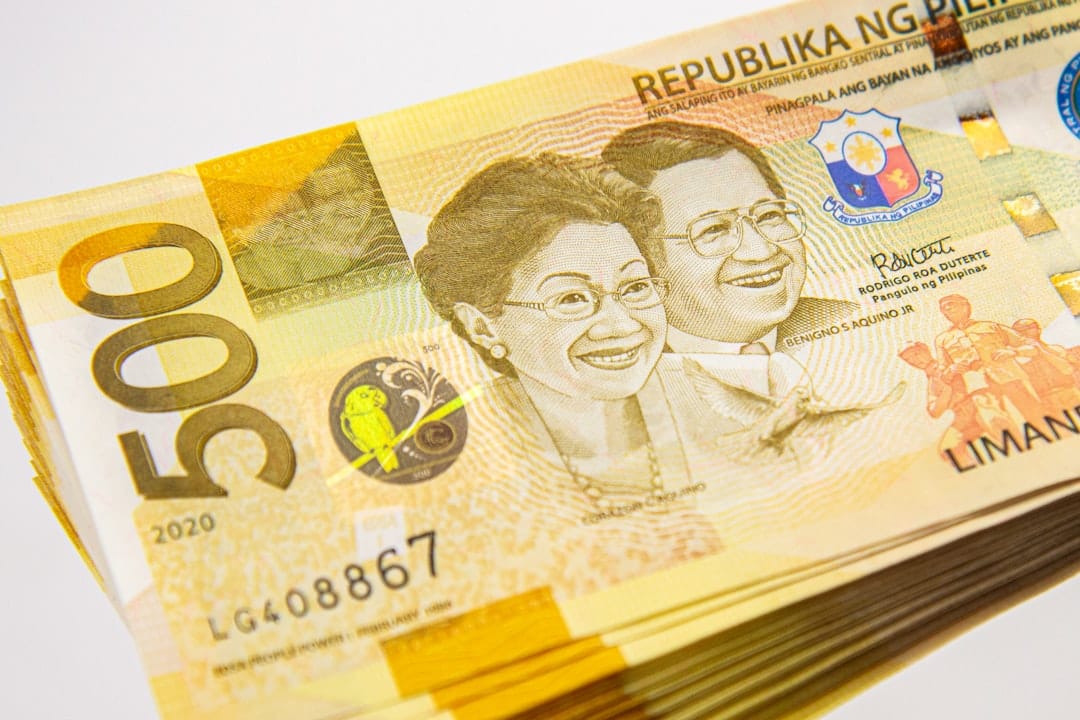
Money on Negros Island is not organised around abstraction, automation, or future planning.
It is organised around daily circulation, visibility, and trust.
Understanding that one difference explains why cash remains central to everyday life here — and why people who arrive expecting money to behave quietly in the background often feel friction long before anything actually goes wrong.
This guide is not about managing money.
It’s about how money moves through daily life.
What “Cash” Means in Daily Life
On Negros, cash is not a temporary workaround or a sign of underdevelopment.
It is the default social medium.
Cash is used because:
- transactions are small and frequent
- relationships are personal
- systems are local
- timing matters
Money is exchanged face to face, often alongside conversation, familiarity, or routine. Payment is not separated from interaction — it’s part of it.
This is why cash here feels present rather than invisible.
Why Digital Money Has Limits
Digital payments exist in parts of Negros, especially in larger towns like Bacolod or Dumaguete, but they do not replace cash in most daily situations.
Digital systems depend on:
- stable power
- reliable signal
- compatible devices
- shared expectations
Cash depends on none of these.
In markets, neighbourhood stores, transport, and informal services, cash works because it always works. It doesn’t fail quietly or ask to be retried.
This reliability matters more than convenience.
Markets and Small Transactions
In public markets — whether in Silay, San Carlos, or smaller town centres — cash is not just practical, it’s expected.
Transactions are:
- quick
- precise
- based on daily prices
- often rounded
Change is part of the rhythm. People wait. Sellers count carefully. Nothing is rushed.
Money here is handled openly, not abstracted away. That visibility creates trust rather than tension.
Everyday Spending and Repetition
Daily spending on Negros is repetitive by design.
People buy:
- similar food each day
- from the same sellers
- at familiar times
This repetition stabilises prices and relationships. Cash supports that stability because it doesn’t require recalculation or renegotiation every time.
Once routines are established, money becomes predictable — not because it’s tracked, but because it’s embedded in habit.
Why “Exact Amounts” Matter
One detail visitors often notice is the preference for exact change.
This isn’t about inconvenience. It reflects how cash circulates:
- small bills move constantly
- large bills can disrupt flow
- sellers rely on balance across the day
In places like neighbourhood sari-sari stores or tricycle stands, one large bill can affect multiple transactions afterward.
Exact cash keeps the system moving smoothly.
Cash and Social Boundaries
Money also plays a role in maintaining social distance.
Cash transactions:
- are clear and finite
- don’t imply ongoing obligation
- end cleanly
This matters in a place where relationships are long-term and layered. Paying in cash allows interactions to remain polite without becoming personal.
Money does not automatically open doors, create access, or signal status. It simply completes the exchange.
Town Differences Without Hierarchy
Cash habits are consistent across Negros, but context shapes how they appear.
Larger towns
In Bacolod and Dumaguete, you’ll see:
- more ATMs
- occasional digital options
- slightly higher cash flow
But daily transactions remain cash-based.
Smaller towns and barangays
In quieter areas, cash is even more central:
- fewer alternatives
- tighter circulation
- more visible exchange
The difference is logistical, not cultural.
Why Money Is Rarely Discussed Openly
Money on Negros is handled openly but talked about indirectly.
Prices are known. Costs are understood. But money itself is rarely the focus of conversation.
This keeps:
- interactions calm
- expectations modest
- relationships stable
Overt discussion of money — especially comparisons — can feel unnecessary or disruptive, not because money is taboo, but because its role is already understood.
Adjusting Without Performing
People who adapt most easily don’t make a point of adapting.
They:
- carry small bills
- pay without commentary
- accept daily variation
- avoid comparison
There’s no need to announce awareness or respect. Cash habits settle naturally once routine replaces novelty.
What Cash Does Not Mean
Cash-based life does not mean:
- lack of planning
- lack of sophistication
- lack of awareness
It means systems are designed for resilience, not optimisation.
Money moves at the speed of daily life — not faster, not slower.
How Cash Shapes the Feel of Daily Life
Because money is tangible and immediate:
- spending feels finite
- days feel contained
- decisions feel smaller
There is less abstraction and fewer delayed consequences. Life operates in shorter cycles, and cash fits those cycles well.
For many people, this feels grounding rather than limiting.
Related Guides
Final Note
Cash on Negros Island isn’t something people are transitioning away from.
It’s something that continues because it works.
Once you stop expecting money to disappear into systems, it becomes easier to see how daily life holds together — one small exchange at a time.