
Safety Without Paranoia Common Sense in Rural Areas
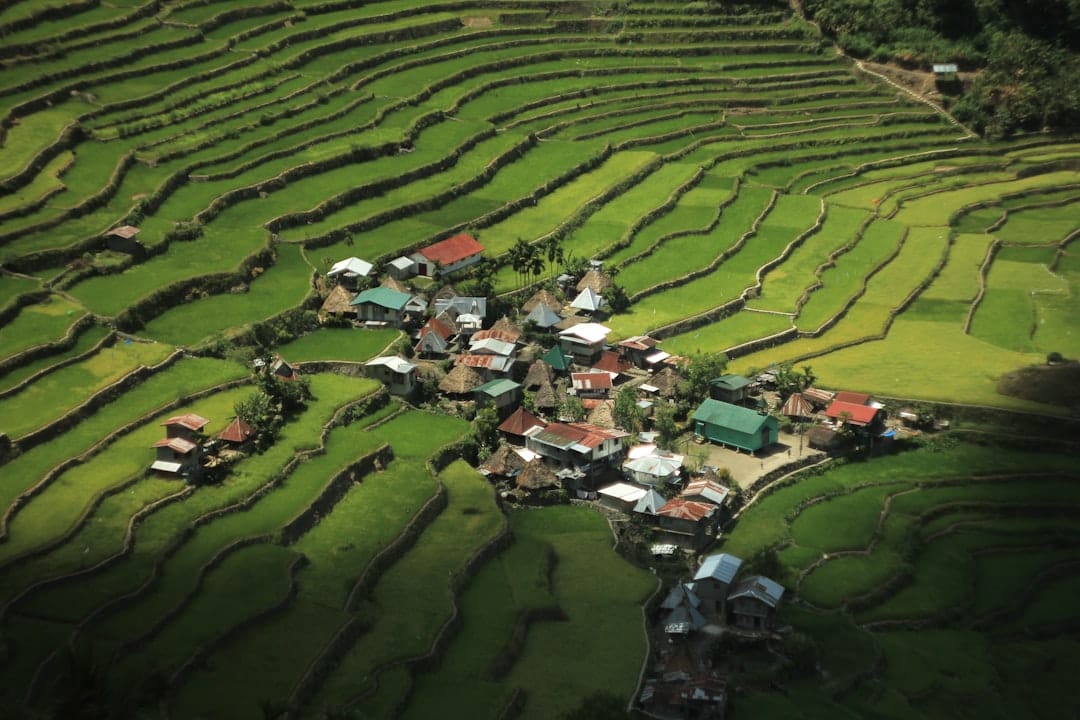
Safety on Negros Island is not organised around alerts, precautions, or constant vigilance.
It is organised around familiarity, visibility, and timing.
Understanding that difference removes much of the anxiety people bring with them when moving through rural areas — and explains why daily life often feels calmer and more predictable than expected, even when conditions are basic.
This guide is not about avoiding danger.
It’s about how safety actually works when places operate on routine rather than control.
What “Safety” Means on Negros Island
On Negros, safety isn’t a concept people discuss abstractly.
It’s a set of habits that have developed through use.
Safety is maintained through:
- being known by sight, not by name
- moving when others are moving
- stopping when the day slows
- recognising when attention shifts
There is little emphasis on risk calculation.
Instead, people rely on pattern recognition.
Life is safest when it follows familiar paths at familiar times.
Why Rural Areas Feel Different
Rural areas on Negros are not empty.
They are sparsely scheduled.
In inland barangays, upland areas near Valencia, or agricultural zones outside Silay or San Carlos, daily activity concentrates into short windows:
- early morning movement
- mid-day work
- early evening return
Outside these windows, places become quiet — not dangerous, just unused.
Visitors sometimes misread quiet as risk.
Locals read it as the day being done.
Visibility Over Surveillance
Safety here does not come from monitoring.
It comes from being visible at the right times.
In towns and villages:
- people notice who passes regularly
- unfamiliar movement stands out naturally
- behaviour is observed without being watched
There are no checkpoints or systems enforcing this.
It’s simply how small communities function.
Moving within visible routines reduces friction. Moving outside them draws attention — not hostility, but curiosity.
Timing Is the Real Safety Factor
Time matters more than location.
Most movement on Negros is timed to daylight and purpose:
- markets early
- transport mid-morning
- errands before late afternoon
- quiet after dusk
This applies whether you’re in Bacolod’s outer districts or a rural road in Negros Oriental.
Night movement isn’t forbidden — it’s simply less supported. Transport thins, people go home, and help becomes less immediate.
Safety here is about matching your movement to the day’s structure.
Roads, Transport, and Expectation
Rural roads are used differently than urban ones.
They are shared by:
- pedestrians
- motorcycles
- farm vehicles
- animals
Movement is slow not because of caution, but because roads are multi-use spaces.
Safety comes from:
- assuming others will appear
- expecting irregular stops
- allowing for unmarked crossings
Predictability comes from patience, not speed.
Why Locals Don’t Overthink Risk
People who live here don’t constantly assess danger because nothing is optimised for isolation.
Homes are close.
People know their neighbours.
Movement is observed casually.
Risk is managed socially rather than individually.
This doesn’t eliminate problems — it reduces escalation.
The Role of Familiarity
Familiarity creates safety even without interaction.
Walking the same route at the same time each day, buying from the same places, or using the same transport builds recognition.
Over time:
- faces become known
- routines are expected
- absence is noticed
This is why long-used routes feel safe even without infrastructure.
Safety grows from repetition, not preparation.
When Caution Is Appropriate
Common sense here is situational, not constant.
Extra care makes sense when:
- weather changes suddenly
- roads are damaged
- transport schedules break down
- visibility drops
In these moments, locals pause rather than push through.
Waiting is not seen as inconvenience — it’s normal adjustment.
Why Paranoia Doesn’t Translate
Imported safety thinking often focuses on:
- worst-case scenarios
- constant readiness
- individual defence
These don’t fit well in places organised around shared space and mutual awareness.
Hyper-vigilance stands out more than calm presence.
It attracts attention rather than reducing it.
Blending into routine is safer than guarding against it.
How Rural Safety Is Communicated
Warnings here are indirect.
Instead of instructions, people signal through:
- tone
- timing
- suggestion
A pause, a comment about the weather, or a recommendation to wait often carries more meaning than explicit advice.
Understanding these cues matters more than memorising rules.
Safety as Part of Getting There
Getting around Negros safely is not about choosing the fastest route or the most secure option.
It’s about:
- moving when others move
- stopping when movement thins
- recognising when a day has shifted
Once you align with that rhythm, safety becomes background, not a constant concern.
Related Guides
Final Note
Safety on Negros Island is not enforced, advertised, or optimised.
It emerges from routine, visibility, and shared timing.
When you move with the day instead of against it, safety stops being something you manage — and becomes something that simply holds.
That’s how it’s meant to work.