
Apo Island: How to Get There, the Dive Sites, Where to Stay, and What It Is Really Like
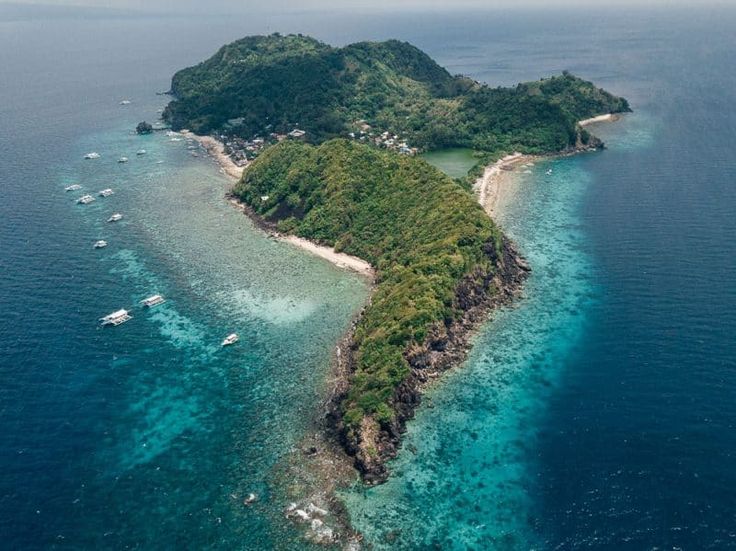
Apo Island is a volcanic island and marine sanctuary off the south east tip of Negros, a barangay of Dauin with a population of about 920 people, one path of a village, no cars, limited electricity, and some of the most reliable turtle encounters and healthiest reef in the Philippines. It earned its reputation honestly: the community-managed sanctuary here, running since the 1980s, is one of the country’s oldest and the reason the coral survived while so much elsewhere did not. This page covers how getting there actually works, the dive and snorkel sites by name, the small set of places to stay, and the practical realities the postcard versions leave out.
Getting to Apo Island
The jump-off point is Malatapay in Zamboanguita, about 25 kilometres south of Dumaguete on the coastal road. Any Ceres bus heading south from Dumaguete drops you at the Malatapay stop, and jeepneys and tricycles do the same run; from the highway it is a short walk down to the shore and the boat association. Time it for a Wednesday if you can, because Malatapay hosts its famous weekly market that morning, the tabo, with livestock trading and open-air eating that is worth the trip on its own before you even board a boat.
Boats to Apo are small outriggers run by the local association, roughly 30 to 45 minutes across depending on the sea. They are chartered per boat rather than per seat, so solo travellers pay much less by joining others; mid morning is when boats fill. Expect a posted rate board at the shed, a per-head environmental and landing fee on the island, and additional sanctuary fees for snorkeling or diving once there. [CHECK: current boat rates and fee amounts] The crossing is exposed, and in rough weather, especially amihan season winds around December to February, boats get delayed or cancelled; if the crossing matters to your schedule, do not book it against a same-day flight or ferry.
The alternative most divers actually use: day trips and dive safaris run by the Dauin dive resorts, which bundle the boat, guide, fees, and lunch. Dearer than doing it yourself, simpler by every other measure, and the Dauin coast you pass is itself covered on the Apo Island and south east coast map on this site.
The Dive and Snorkel Sites
The island’s sites ring the coast, and their names are worth knowing because guides and boatmen use them constantly. On and around the village side: the Marine Sanctuary itself, the protected core where fishing has been banned for decades and the coral gardens are at their best, alongside Chapel and Baluarte near the village landmarks they are named for. Around the coast: Coconut Point, a drift dive with current and schooling jacks; Mamsa Point, named for those same jacks; Cogon; Katipanan; Largahan; Kan Uran; and Rock Point East and West at the rocky end of the island, with Cars Dive as a shore-entry spot. Conditions decide which sites run on a given day, and the boatmen decide with them; currents at Coconut Point in particular are genuine, which is exactly why the fish are there.
Snorkelers are well served without tanks: turtles graze the seagrass in the shallows off the village beach almost daily, and the sanctuary snorkeling is fee-paid, guided, and worth it. Rock West Beach on the far side gives the island its one stretch of proper sand.
Out of the water, the walk up to the Kan-Uran view deck and the old disused lighthouse is the island’s other essential: the whole island, the reef shelf, and Negros behind it in one view, best early before the heat.
Where to Stay
Accommodation on Apo is a handful of small family-run places, not resorts, and that is the island’s character rather than a shortfall. Liberty’s Lodge is the long-standing dive-oriented option; Apo Island Beach Resort sits on its own cove; Mario’s Homestay pairs rooms with the family’s own diving operation; Ronors Homestay serves meals alongside its rooms; and small cottages like Argana Cottages rent simple fan and aircon rooms in the village with shared kitchens, the kind of place where the rate board is a handwritten sign and the booking is a text message. [CHECK: rates and current operating status of listed places]
Two realities to book with. First, read the conditions: at least one dive resort on the island requires guests to dive exclusively with its own operation or the room is cancelled, which is fine if that is your plan and a trap if it is not. Second, island infrastructure is minimal by design: electricity runs limited hours from generators and solar, there is no ATM, mobile signal is patchy, and freshwater is precious. Bring cash in small notes, whatever medications you need, and a power bank, and treat the constraints as part of what keeps the island what it is.
Staying overnight is the honest recommendation. Day trippers get the sanctuary at its busiest hours and leave; overnighters get dawn snorkeling with turtles, the village at its own pace, and the sites before the boats arrive from the mainland.
What It Is Really Like
Apo is a working village that hosts visitors, not a resort island. The sanctuary fees fund the protection and the community; the guides are locals whose families fished these reefs before they guarded them. Everything this site says about small places applies here concentrated: buy from the village stores, take the local guide, keep your fins off the coral and your hands off the turtles, and accept that rules, fees, and closures set by the community are the reason there is anything left to see. Typhoons have battered the reef in the past and parts are still recovering, which the guides will show you honestly if you ask.
Paired with the Dauin coast opposite, whose muck diving and shore sanctuaries are a different world entirely, this corner of Negros Oriental holds its own against any diving destination in the country. The Apo Island and south east coast map on this site lays out every site, resort, and shore entry named here, and the getting-to-Negros and transport posts cover the journey down from Dumaguete.