
Why Menus Change Daily in Small Negros Eateries
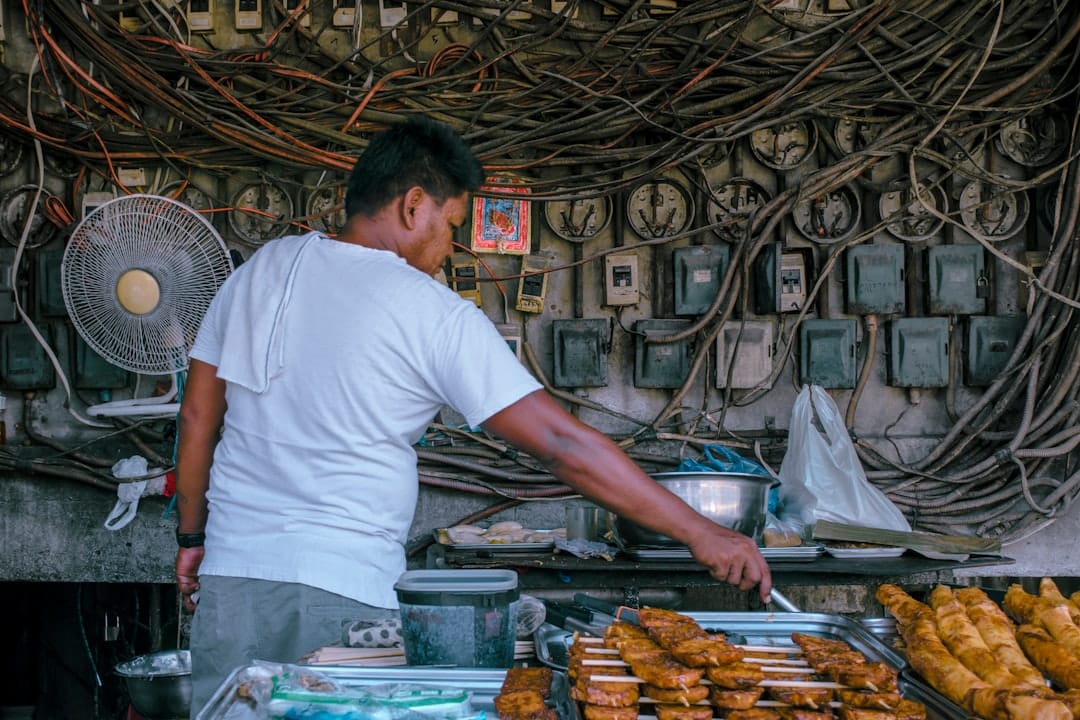
Food on Negros Island is not organised around consistency, printed menus, or guaranteed choice.
It is organised around what arrives, when it arrives, and what can be cooked that day.
Understanding that one difference explains why menus in small eateries change daily — and why treating those changes as a problem usually leads to frustration.
This guide is not about what to order.
It’s about why menus behave the way they do.
What “A Menu” Means on Negros Island
On Negros, a menu is rarely a promise.
It’s a snapshot.
In small eateries, menus reflect:
- what was available that morning
- what the kitchen can prepare reliably
- what people expect to eat that day
They are not built to advertise variety or lock in options.
For many kitchens, the menu exists to orient regular customers, not to present a fixed catalogue. Change is normal. Repetition is expected.
Why Ingredients Decide the Menu
Menus change because ingredients change first.
In towns like Bacolod, Silay, Dumaguete, or San Carlos, daily sourcing looks similar:
- fish arrives early, depending on the catch
- vegetables reflect weather and transport
- meat availability follows deliveries, not schedules
By mid-morning, cooks already know what they can prepare well. If something didn’t arrive, it doesn’t appear. If something arrived in abundance, it becomes the day’s focus.
Menus follow supply, not the other way around.
Small Kitchens, Small Margins
Most small eateries operate with:
- limited cooking space
- minimal refrigeration
- one or two cooks
- simple equipment
Holding ingredients “just in case” doesn’t make sense. Cooking fewer dishes well is safer than stretching stock across many options.
Menus change because kitchens are sized for daily cooking, not long-term storage.
Consistency would require infrastructure that simply isn’t part of everyday food life.
Carinderias and Expectation
Carinderias are built around familiarity, not choice.
They cook:
- what locals expect to eat
- what can be prepared efficiently
- what fits the day’s rhythm
Regular customers don’t arrive asking what’s available next week. They arrive knowing that:
- some dishes repeat
- others rotate
- a few disappear quickly
When a dish sells out, it’s not replaced. Cooking stops when the plan for the day is complete.
That’s not poor planning — it’s contained planning.
Why “Sold Out” Is Normal
In many places, “sold out” is treated as failure.
On Negros, it often means the day went as expected.
Food is cooked to be eaten within a window:
- breakfast and early lunch in market areas
- lunch peaks in town centres
- afternoons slow down naturally
When dishes run out, there’s no assumption they should be remade. The system isn’t designed to stretch endlessly.
Sold out is a signal that timing mattered — not that service failed.
Markets vs Restaurants
To understand menus, you have to understand the difference between market-linked kitchens and restaurant kitchens.
Market-linked kitchens
These:
- source daily
- plan menus after buying
- adjust quantities quietly
- change dishes without explanation
Menus are flexible because inputs are flexible.
Restaurants
Restaurants tend to:
- operate longer hours
- keep menus stable
- stock ingredients in advance
- price for consistency
This model works later in the day and in central areas, but it’s not the default everywhere.
Expecting restaurant-style menu stability from small eateries leads to misunderstanding.
Why Daily Change Reduces Waste
Daily menu changes also serve a practical purpose.
When cooks:
- plan based on what arrived
- cook only what will sell
- stop when it’s finished
waste is minimal.
There’s no need to push dishes, discount leftovers, or hold food overnight. The menu ends when the day ends.
This isn’t framed as an ethic or a policy.
It’s just how the day is structured.
Where Menu Changes Are Most Noticeable
Daily menu variation is strongest where daily life is concentrated.
Market-adjacent areas
Near public markets in Bacolod or Dumaguete, menus change most visibly because sourcing happens nearby and early.
Town centres
In older town cores, menus reflect predictable routines rather than visitor demand. Dishes repeat weekly, not daily — but small variations are normal.
Smaller towns and barangays
In places further from distribution hubs, menus shift based on delivery timing and weather. Fewer options doesn’t mean less food — it means focused food.
How Menu Changes Affect Eating Habits
Because menus change, eating habits adjust.
People tend to:
- order what’s available
- eat familiar dishes repeatedly
- stop expecting constant novelty
This reduces decision-making. Meals become simpler, faster to choose, and easier to repeat.
Once expectations shift, menu changes stop feeling inconvenient and start feeling routine.
What to Expect — and What Not To
What to expect:
- limited options
- familiar dishes
- occasional surprises
- early sell-outs
What not to expect:
- full menus all day
- substitutions on demand
- advance planning beyond the day
Menus respond to reality, not preference.
Accepting the System Without Overthinking It
There’s no need to analyse menus or ask for explanations.
Simple habits work best:
- order what’s available
- accept that tomorrow will be different
- treat change as normal
Menus here are not messages.
They’re outcomes.
Related Guides
- Slow Food in Negros Island: Eating Local Without Rushing
- Why Lunch Takes Longer in Negros (and Why That’s Normal)
Final Note
Menus change daily in small Negros eateries because food is cooked daily — not because anything is missing.
Once you stop expecting menus to stay the same, eating becomes easier, calmer, and far more predictable than it first appears.
Not because there’s more choice —
but because the system is doing exactly what it’s meant to do.