
Why Lunch Takes Longer in Negros and Why Thats Normal
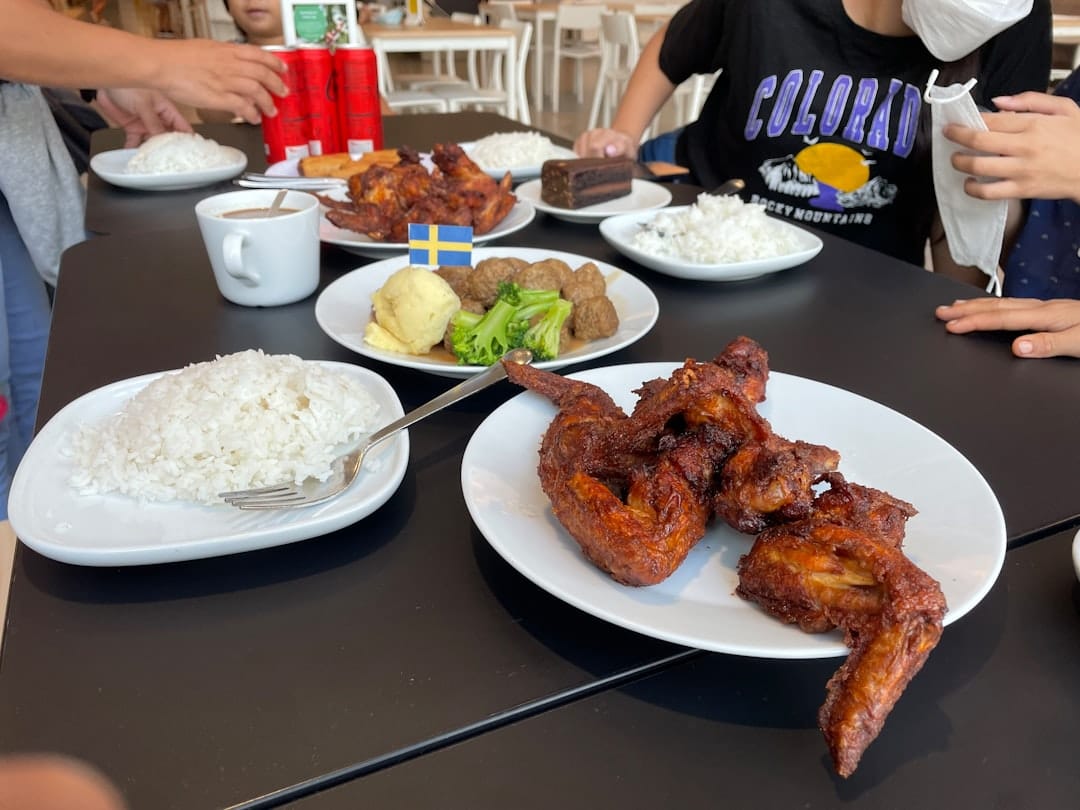
For many travellers, the first real culture shock on Negros Island doesn’t happen on a bus, in a market, or on a back road. It happens at lunch.
You sit down, order food, and then… nothing seems to move very fast. Minutes stretch. The kitchen feels quiet. Other customers don’t appear bothered. No one is apologising. No one is hurrying. And that’s the moment people start wondering whether something is wrong.
Nothing is wrong.
What’s happening is that lunch on Negros follows a different logic entirely—one that isn’t built around efficiency, speed, or turnover. It’s built around people, ingredients, and the shape of the day.
Once you understand that, lunch stops feeling like lost time and starts feeling like part of the experience.
Lunch on Negros isn’t designed to fit neatly between activities. It isn’t a scheduled pit stop. It’s a natural pause in the day, shaped by heat, work rhythms, and social habits that have existed long before tourism arrived. In many towns, especially outside the cities, lunch is the slowest, calmest point of the day. It’s when morning work winds down and the afternoon hasn’t yet started. The island itself seems to exhale.
Food is prepared to match that rhythm, not to fight it.
In many local eateries, food isn’t cooked far in advance and kept warm just in case someone shows up. Rice may be cooking when you arrive. Vegetables may still be uncut. Fish might be cleaned only after it’s chosen. This isn’t a lack of preparation; it’s a different assumption. The assumption is that food should be fresh, not fast.
That expectation alone changes everything about timing.
Another reason lunch takes longer is that eating here is rarely treated as a transaction. In many parts of Negros, the person cooking is also the owner, the cashier, and often a family member to half the people walking in. Conversations happen while food is cooking. Children wander in and out. Someone might stop to talk, not because they’re neglecting customers, but because relationships take precedence over speed.
There’s no pressure to clear tables quickly. There’s no incentive to rush someone through their meal. Many customers are locals who come back every day. They aren’t measuring value in minutes saved. They’re measuring it in familiarity and comfort.
From the outside, this can look inefficient. From the inside, it’s simply normal.
Physical realities play a role too. Most local food places operate with very small kitchens. One or two burners. One person cooking. Limited space. When several people arrive at once, everything slows down evenly. There’s no system for prioritising orders based on who looks busiest or who might be in a hurry. Everyone moves at the same pace, because the pace is set by what the kitchen can realistically handle.
That’s why lunch can feel quick one day and slow the next, even at the same place. It depends entirely on timing, not on service quality.
Markets also influence lunch more than travellers often realise. What you eat at midday is closely tied to what arrived that morning. If fish came in late, meals follow suit. If vegetables sold out early, dishes change or take longer to prepare. Menus here are flexible by necessity. They reflect supply, not fixed promises.
This flexibility is part of eating local, but it clashes with expectations shaped by printed menus and guaranteed availability.
The frustration many visitors feel doesn’t come from the food itself. It comes from trying to fit lunch into a tightly planned schedule. When lunch is treated as something to “get through” before the next activity, every delay feels magnified.
This is where Negros quietly resists that way of travelling.
Midday works better here when it’s left open. When lunch isn’t boxed into a narrow window. When it’s allowed to stretch without consequence. People who build their day around this tend to feel calmer overall. People who don’t often describe the island as disorganised or inefficient, when in reality they’re simply measuring it against a different system.
There’s also a climate factor that’s easy to overlook. The heat changes how energy is spent. In many areas, midday is intentionally slower because pushing through the heat makes the rest of the day harder. Lunch naturally becomes a rest point, not just a meal.
Seen through that lens, slower food isn’t a flaw. It’s a form of adaptation.
What’s important is that this slower pace isn’t limited to “traditional” or rural places. Even in cities, the rhythm carries through. You may notice that lunch crowds linger. That staff don’t rush to reset tables. That service doesn’t speed up simply because more people arrive. The goal isn’t to optimise output; it’s to maintain balance.
Once you accept that, lunch stops being something to manage and becomes something to settle into.
Travellers who adjust their expectations early tend to enjoy Negros more deeply. Meals feel less stressful. Days feel less rushed. Small delays stop accumulating into irritation. Travellers who don’t often feel a low-level tension that colours the rest of their trip.
The difference isn’t where they eat. It’s how they think about time.
Understanding lunch on Negros is a small lesson, but it reflects a bigger pattern. Food, transport, markets, and daily life all move at a pace shaped by people rather than systems. Trying to force speed into that rhythm rarely improves anything.
If you let lunch take the time it needs, the rest of the day often falls into place around it.